Economy 4 min read By Bethany Hadley
Black Sea grain attacks disrupt exports as importers brace for supply cuts
Global wheat importers, including Egypt and Indonesia, are preparing for reduced deliveries as attacks on Black Sea grain infrastructure disrupt shipping, raising food security concerns.
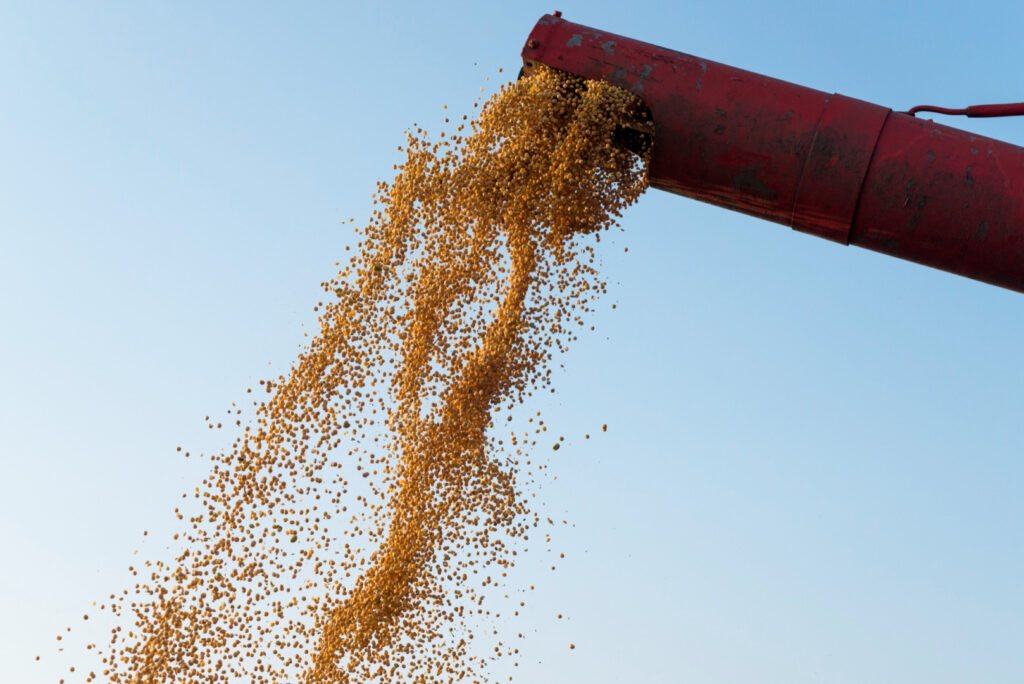
Wheat importers around the world are bracing for a drop in deliveries as attacks on grain infrastructure in the Black Sea continue to disrupt shipments, according to Reuters, cited by Agerpres. The strikes are heightening food security risks for major buyers such as Egypt and Indonesia, and are pushing up concerns about the stability of global supply chains.
The Black Sea region is a critical corridor for grain exports, with Ukraine and Russia accounting for a substantial share of global wheat trade. Recent attacks on ports and storage facilities have damaged export capacity, forcing traders to reroute cargoes and reassess supply schedules. The disruption comes at a time when global wheat stocks are already under pressure from weather-related crop shortfalls and export restrictions in some producing countries.
Egypt, one of the world's largest wheat importers, relies heavily on Black Sea supplies to feed its population. Any sustained reduction in shipments could force the government to seek alternative sources, potentially at higher prices. Indonesia, another major buyer, uses wheat for food and feed, and its importers are also monitoring the situation closely. The uncertainty has led to increased volatility in wheat futures, with prices rising in recent sessions as traders factor in the risk of further supply disruptions.
The attacks have also raised questions about the viability of the Black Sea grain corridor, which was established to facilitate safe passage for agricultural exports. While some shipments continue, insurers and shipping companies are demanding higher premiums to cover the risks, adding to the cost of moving grain. This has made some buyers hesitant to commit to large purchases, preferring to wait for clearer signals on the security situation.
Analysts note that the impact of the disruptions is not limited to the immediate region. Countries in the Middle East, North Africa, and Asia that depend on Black Sea wheat are particularly vulnerable, as they have limited alternative suppliers. The European Union, which has been a key transit route for Ukrainian grain, has seen increased volumes, but logistical bottlenecks and border checks have slowed the flow. Meanwhile, Russia's own exports have been affected by the attacks, despite its efforts to maintain shipments through other ports.
The situation underscores the fragility of global food systems in the face of geopolitical conflict. For importing nations, the immediate priority is to secure supplies, but the longer-term challenge is to diversify sources and build resilience against such shocks. The current crisis is a reminder that food security is not just a matter of production, but also of safe and reliable trade routes.
As the attacks continue, the international community is watching closely. Diplomatic efforts to de-escalate the conflict have so far failed to produce a lasting ceasefire, and the risk of further damage to grain infrastructure remains high. For now, importers are left to navigate a volatile market, hoping that the disruptions will be temporary and that the next harvest will ease the pressure on supplies.
55