Economy 5 min read By Alice Ashford
Bessent's Bond Market Challenge Falls Flat as 10-Year Treasury Yield Nears 5%
Treasury Secretary Scott Bessent's warning to currency and bond traders has gone unheeded, with the 10-year Treasury yield hitting 4.93%—its highest since 2023—as the $32 trillion bond market tests his influence amid Iran war turmoil and rising US debt.
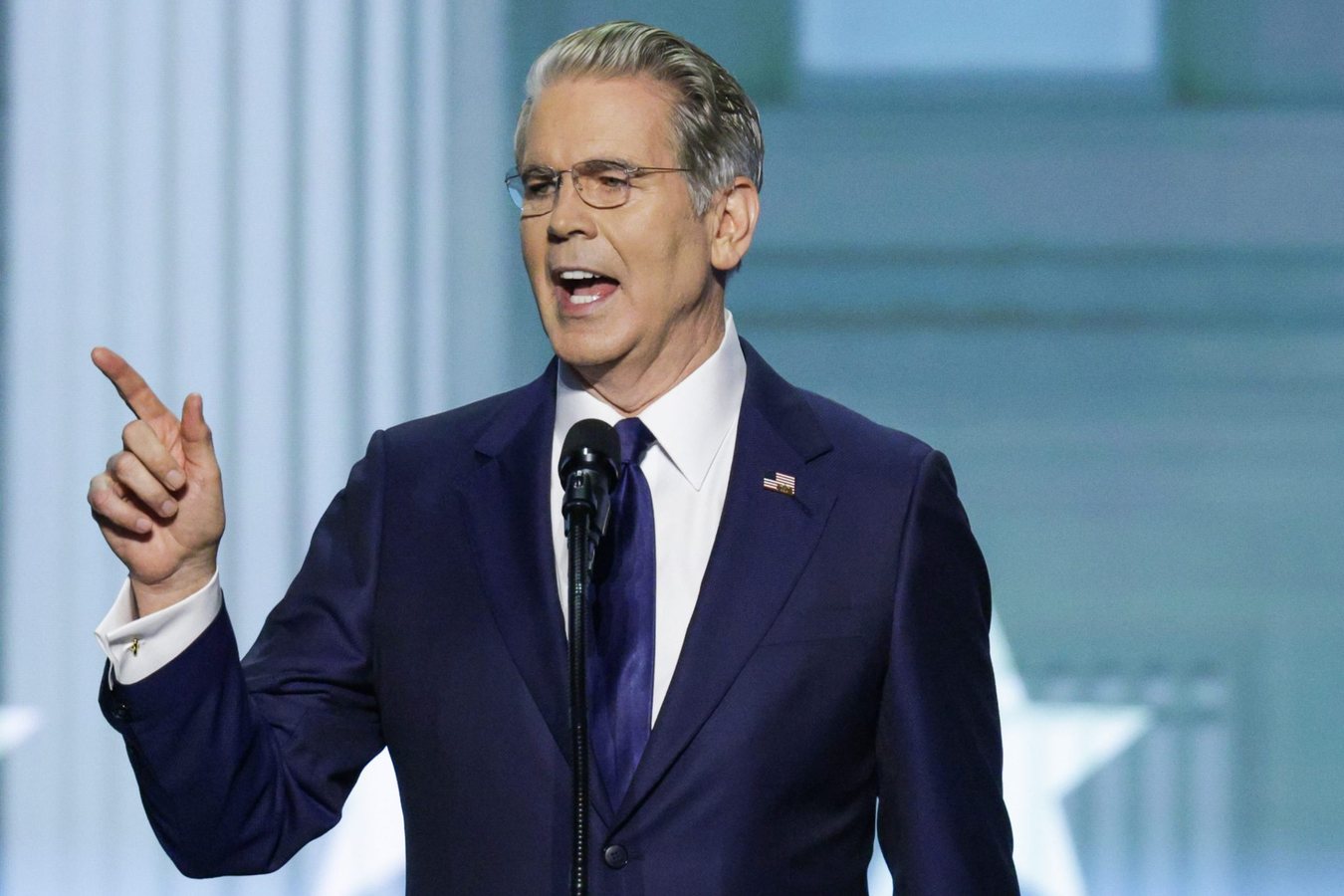
Treasury Secretary Scott Bessent's attempt to assert authority over the $32 trillion US Treasury market has been met with indifference from investors, as benchmark yields surged to their highest level in over two years. Speaking at Southern Methodist University on Tuesday, Bessent issued a direct challenge to traders: «I am the house now, so when we intervene with the Japanese yen, I have pretty good insight into what the Japanese, what the Bank of Japan is going to do, what Japanese policymakers are going to do. And you can bet against me if you want.»
The market appears to have accepted that invitation. On Thursday, the yield on the 10-year Treasury—the global benchmark for borrowing costs—climbed to 4.93%, its highest since 2023 and perilously close to the 5% threshold it has breached only once in the past two decades. Yields on 20- and 30-year bonds also rose sharply. Bond yields rise as prices fall, reflecting diminished demand for US government debt.
The Treasury Department said on Wednesday it would buy up to $6 billion of 10- to 20-year bonds, up from a $4 billion minimum announced last month. While officially intended to add liquidity, the buybacks could also support prices and push yields lower by adding demand. So far, that has not happened.
The yield surge comes amid broader market turmoil linked to the Iran war, which has pushed Brent crude above $100 a barrel for the first time since May, reviving fears of resurgent inflation. At the same time, the US national debt stands at a record $40 trillion, and investors are demanding greater compensation to lend to the government. The combination of higher oil prices, elevated debt, and persistent inflation risks has created a challenging environment for Bessent's rhetorical approach.
«Normally, when these red lines are put out, people like to test them,» Thomas Kikis, head of markets for the US and Americas at Standard Chartered, told Fortune. «The market's gonna give him a bit of a run over the next few days.» Kikis suggested that if the 10-year yield reaches 5%, investors may shift more money into bonds, even as stocks trade near all-time highs on the back of the artificial intelligence boom.
The White House has defended Bessent's track record. Spokesperson Kush Desai pointed to Bessent's previous intervention with the Argentine peso last year as evidence of his effectiveness. «Secretary Bessent has consistently leveraged—and augmented—his gravitas and the power of the American economy to deliver for both President Trump and the American people,» Desai said.
Bessent, a former hedge fund manager, has frequently used rhetoric to try to calm markets. Last month, he dismissed concerns about the $40 trillion debt, telling CNBC that «we can grow our way out of that.» Kikis acknowledged this may be possible, noting that the AI boom has driven significant productivity gains while GDP has continued to grow despite disruptions to oil prices and global trade from the Iran war. «The corporates that I speak to are rather impressive in how they're growing and how they keep on transforming their business,» he said.
Still, Kikis warned that recent bond market swings suggest Bessent is «pushing at the edge of» his rhetorical strategy. To meaningfully influence yields, Bessent may ultimately need to cut government spending—something the Trump administration has so far been reluctant to do.
The joint US-Japan intervention in late July to prop up the yen has strengthened the Japanese currency, which this week surged to a nearly seven-month high in Asia. That stability is likely welcomed by Bessent, who had previously described the yen as undervalued. One concern surrounding the intervention was that Japan, one of the largest holders of US government debt, might sell off Treasuries to support its own currency, potentially pushing US yields higher.
As Fed Chair Kevin Warsh emphasises a «quieter Fed» by reducing forward guidance, traders have increasingly looked to Bessent for signals on interest rates and market direction. While his success with the yen and his reputation as a hedge fund manager may afford him some leeway, the bond market remains the ultimate test of his influence. «We'll see how far his power of influence carries, and I think the bond market will be the ultimate test,» Kikis said.
54