
Technology 3 min read By Arthur Ellington
UiPath CEO Daniel Dines reveals how he wrote a 168-page book with AI
Daniel Dines, co-founder and CEO of automation platform UiPath, has published a 168-page book co-written with Claude and ChatGPT, describing the process as a Socratic dialogue that helped him refine his thinking on human-AI collaboration.
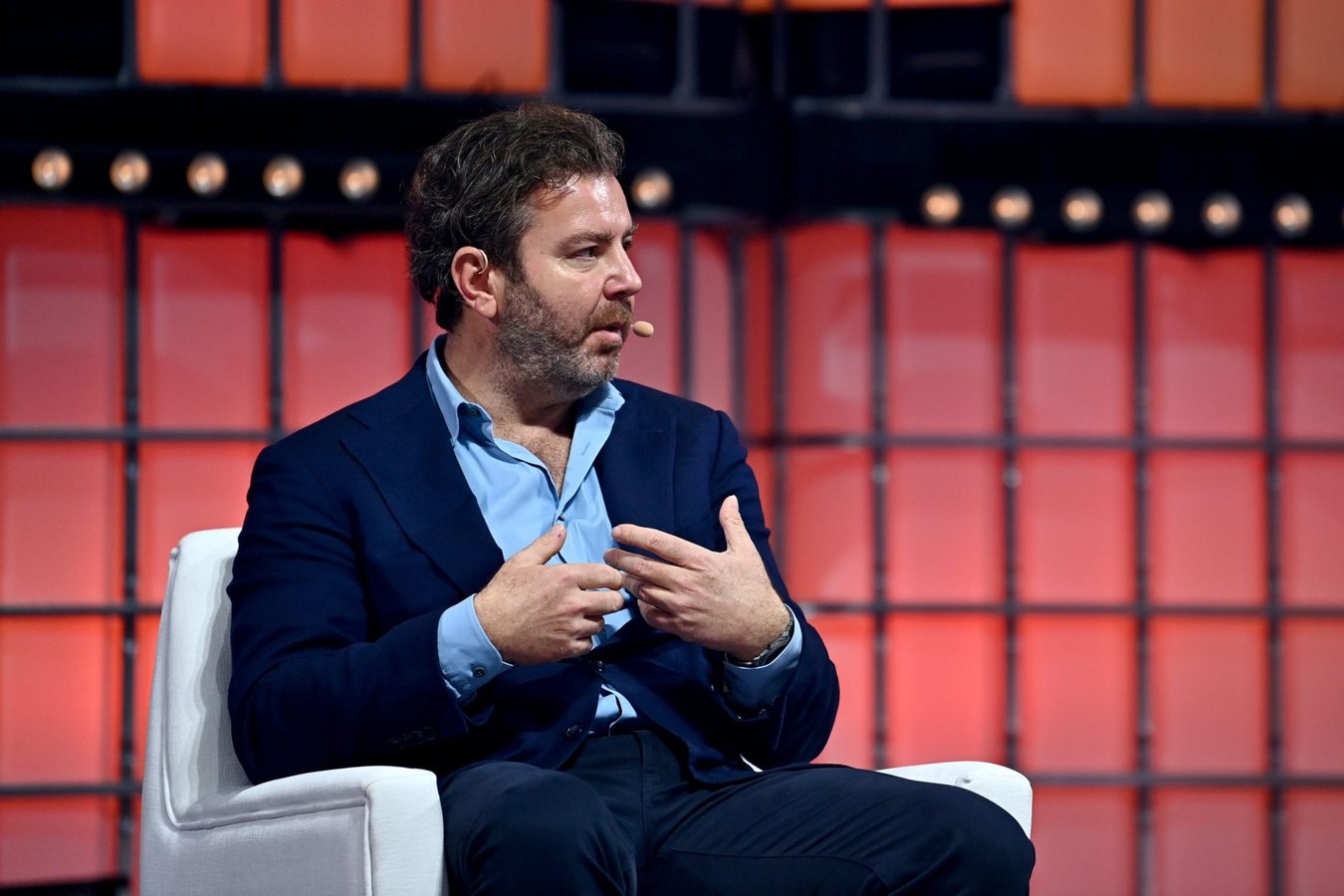
Daniel Dines, the billionaire co-founder and chief executive of automation platform UiPath, has written a 168-page book with the help of artificial intelligence, using a method he describes as a Socratic dialogue. The book, titled The Work That Remains, was produced with the assistance of large language models Claude and ChatGPT and sets out a model in which AI proposes, humans decide, and automation executes.
Dines, who grew up in Romania and once aspired to be a novelist, told Fortune that the writing process involved intense, iterative sessions built around a series of hypotheses, challenges and instructions. He used two AI models and what he called adversarial prompts, asking the systems to read articles and generate opposing views. At one point the manuscript grew to almost 100,000 words before being cut back to around 40,000 words, or 168 pages. He noted that AI is extremely verbose, making the editing and distillation the real work.
The project took shape over three years, with Dines reflecting, reading and refining his ideas alongside running UiPath. He said he did not begin with a clear idea of where he wanted to land, and that the book and the company's strategy evolved together. He described many evenings and mornings when he could not wait to wake up and write, adding that he was in a complete state of flow and came to consider the AI as a partner.
Dines also offered observations on the limits of AI. He said the technology is only as good as the data it is trained on, which makes it better suited to a known mathematical problem than to a genuinely novel idea. He added that challenging feedback is critical for both AI and humans to avoid hallucinations and getting stuck in a rut. Thoughtful collaboration, he suggested, can work well.
The book arrives as businesses and leaders across the technology sector grapple with how best to integrate AI into creative and strategic work. Dines's approach places the human at the centre of decision-making while using AI to generate, challenge and structure ideas. He said he has ideas but lacks the time and talent to put them on paper in a structured manner that can be consumed by the public at large, and that AI helped bridge that gap.
UiPath is a leading platform for robotic process automation, a field that sits at the intersection of software and enterprise operations. Dines's willingness to use AI as a co-author reflects broader questions about authorship, originality and the role of machine assistance in knowledge work. The book is available for download and, as Dines noted, can itself be distilled by AI into a summary or even a haiku.
59