Economy 6 min read By Arthur Ellington
Beijing Promotes Yuan to Shield Against US Financial Pressure, Liu Says
According to Zongyuan Zoe Liu of the Council on Foreign Relations, China is promoting the yuan not to become the world's leading currency, but to limit unilateral U.S. financial sanctions.
China is not seeking to topple the dollar from its position as the dominant global currency, according to Zongyuan Zoe Liu, senior fellow at the Council on Foreign Relations. She set out this conclusion in an article published in Foreign Affairs earlier this month. According to her analysis, Beijing is promoting the yuan abroad primarily to protect itself from financial pressure from Washington, rather than to achieve the status of a главный reserve asset.
According to Liu, fully replacing the dollar would require opening China's capital markets, which would threaten the Communist Party's control over the allocation of capital. A significant part of the local elite, she says, holds dollar assets outside the country as insurance against domestic political persecution. Therefore, as the researcher emphasized, China is in fact interested in keeping the dollar at the top of the system. Promoting the yuan is meant only to ensure that the United States cannot use the financial system as a tool of pressure, as happened to Russia after its invasion of Ukraine in 2022.
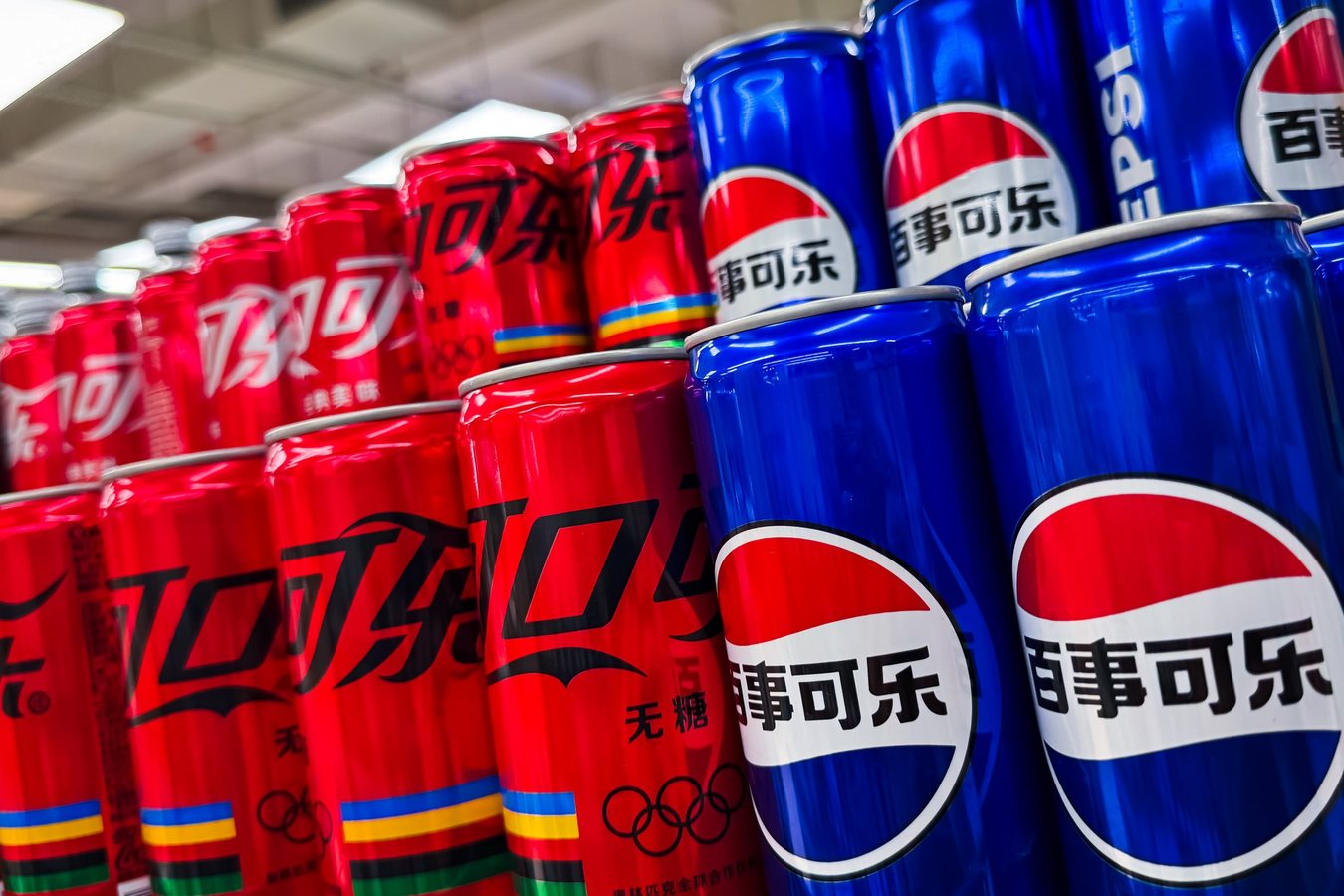
Liu compared the yuan to Pepsi and the dollar to Coca-Cola: in her formulation, Beijing's goal is to secure for the yuan the status of "never the market leader, but a usable currency for when it is needed," capable of restraining the dominant player. In her assessment, even a respectable second or consequential third place for the yuan would be enough to break the dollar's de facto monopoly and limit the ability of the United States to impose sanctions unilaterally, without bearing the costs of maintaining currency dominance.
According to data cited in the analysis, China is already making it easier for companies in more than one hundred countries to use the yuan, and in a growing number of commodity markets. As of June, 1,829 institutions were participants in China's Cross-Border Interbank Payment System, able to send payments to more than 5,200 banks in 191 countries. However, Liu noted that this is only a small part of the volume processed by the U.S.-controlled system. A global currency, she said, also presupposes pricing, financing, risk transfer and reinvestment.
The author notes that Chinese exporters still invoice in dollars and convert them into yuan just before bringing the funds into China. Beijing, however, is promoting "Chinese prices," that is, yuan-denominated benchmarks on domestic commodity exchanges, and, according to Liu, has had success with lithium. The financing stage is also gaining strength: between 2023 and mid-2026, Chinese banks more than doubled yuan lending to foreign borrowers. The People's Bank of China has concluded currency swap agreements with 32 foreign central banks and monetary authorities. More modest steps, according to her data, have increased the yuan's presence in risk-transfer markets: state-owned companies have begun settling cargo insurance in yuan.
The weakest link, in Liu's view, remains reinvestment. To form a strong yuan ecosystem, recipients of funds must hold and reinvest their balances rather than convert them. China has expanded foreign access to domestic stocks and bonds, but the unpredictable nature of Beijing's capital controls still raises concerns. In March, foreign investors held just 1.6 percent of the Chinese bond market, compared with 27 percent of the American bond market. "Without a much larger pool of yuan assets that foreigners can freely buy and sell, the yuan will not come close to replacing the dollar," she said.
Liu also suggested that, by analogy with the "petrodollar" that cemented the American currency's role in global trade, the yuan could come to dominate trade in a commodity that China controls. This could involve critical minerals, clean-energy equipment and electrical infrastructure for green technologies. In her assessment, China has already established superiority in many links of the green supply chain and is promoting standards built around the technologies of Chinese companies. If China consolidates dominance in this sector, using scale and price advantages, it could gain enough leverage to invoice exports of these goods in yuan, which, Liu suggested, could create the basis for a "green yuan" capable of eventually replacing the petrodollar.
At the same time, the war with Iran, the article notes, has called into question the durability of the petrodollar, an arrangement dating back to the 1974 deal under which Saudi Arabia agreed to sell oil for dollars and invest its surpluses in American assets. In return, Washington guaranteed the kingdom's security, including the stationing of troops in the region, supplies of modern weapons and freedom of navigation in the Strait of Hormuz. However, as the article points out, America's role in the Middle East now looks entirely different: despite 40 days of intensive bombing of Iran and round-the-clock protection of commercial vessels, traffic through the strait has not been fully restored. In March, Deutsche Bank warned that damage to the economies of the Gulf states could push them to reduce foreign savings, and that reports of possible passage of ships through Hormuz in exchange for yuan payments should be closely monitored.
4