Business 3 min read By Arthur Ellington
Volkswagen plans to build China-developed cars in Turkey for European sale
Volkswagen is considering producing cars developed with its Chinese partners at a plant in Turkey, a move that could bring lower-cost electric and plug-in hybrid models to Europe while avoiding the high cost of shipping vehicles by sea.
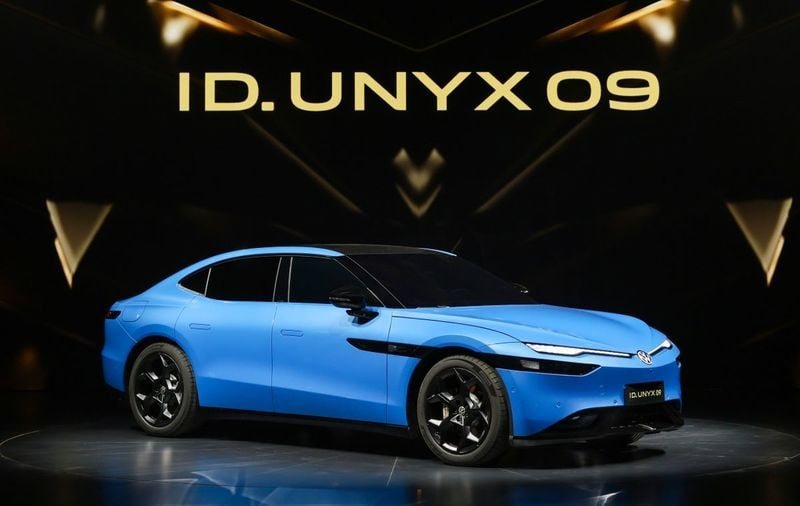
Volkswagen is considering building cars developed with its Chinese partners in Turkey and exporting them to Europe and other global markets. The idea would turn models currently engineered for China into vehicles made in Turkey for European buyers, a shift that could reshape how the German carmaker sources its newest electric and plug-in hybrid products.
The appeal lies in the cost structure of the new models. According to the report, the vehicles rest on newly developed, highly digitised platforms that are cheaper to produce than earlier generations, and they are either fully electric or plug-in hybrids. The Chinese development work is what gives the cars their competitive pricing, but the main obstacle to bringing them to Europe is the cost of transporting finished vehicles from China by sea. That freight expense erodes the price advantage the models would otherwise carry on arrival.
Turkey is presented as the answer to that problem. The country offers wage levels that are low, close to those seen in China, and it does not levy customs duties on the vehicles in question. Those two factors together would allow the carmaker to combine Chinese-developed technology with a production base much closer to its main European markets. Shorter shipping routes would cut the logistics burden that currently weighs on imported models, and a plant there would allow the company to serve European customers without paying tariffs on the finished cars.
The proposal fits a wider pattern in the industry, in which manufacturers look for production locations that balance labour costs, trade rules and proximity to customers. It also underlines the growing role of Chinese engineering within global carmakers, as joint ventures in China generate platforms and products that companies then seek to deploy in other regions. Volkswagen has long relied on its Chinese partnerships for market-specific development, and the Turkish option would extend that work beyond the domestic market for which the cars were designed.
For the company, the central question is whether the savings from a Turkish plant outweigh the complexity of moving a China-designed line of vehicles into a new manufacturing base. Adapting production processes, supplier relationships and quality standards to a new site would require time and investment before any cost advantage materialised. The source material does not indicate a final decision, a timetable or a confirmed investment figure, so the plan should be understood as a strategic option under consideration rather than an announced project.
6