Economy 2 min read By Callum Montgomery
EU imposes 2-euro handling fee on low-value parcels from outside the bloc
A 2-euro handling fee on goods imported into the EU from non-member countries takes effect on Sunday, on top of the 3-euro customs duty introduced in July on parcels worth up to 150 euros.
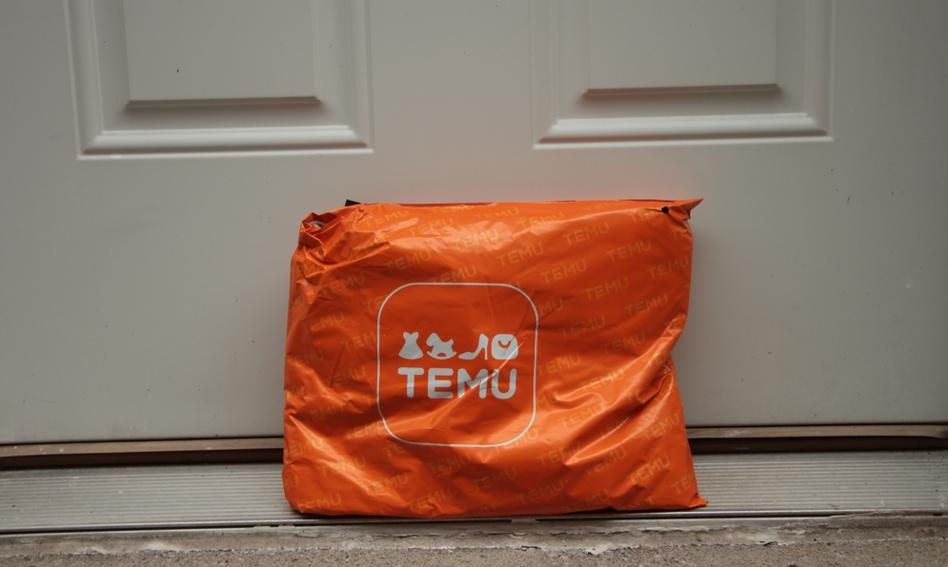
A 2-euro handling fee on goods imported into the European Union from third countries takes effect on Sunday, adding a further charge to parcels from Asian e-commerce giants such as Chinese platforms. The fee is designed to make cheap cross-border purchases considerably more expensive for consumers in the bloc.
The handling fee will be added to the 3-euro customs duty that has applied since 1 July to parcels with a value of up to 150 euros. Together, the two charges significantly raise the cost of small consignments arriving from outside the EU, which have become a major channel for low-priced online orders.
The early effects of the customs duty are already visible. According to the figures cited in the source reporting, the number of parcels entering the EU has fallen by 60 percent since the duty was introduced. That drop suggests that the price increase is discouraging buyers and reducing the volume of low-value shipments that have flooded European postal and courier networks in recent years.
The measures are aimed at ensuring that goods imported from outside the bloc face costs closer to those borne by European retailers, which must meet EU standards and pay local taxes. Low-value parcels from non-member countries have long been criticised by European governments and domestic retailers for undercutting local sellers, and for creating inspection and enforcement challenges for customs authorities.
For shoppers, the change means that bargain purchases from large Asian online marketplaces will cost more at checkout. For the platforms themselves, the fall in parcel numbers is likely to reduce the advantage they have enjoyed in price-sensitive European markets. The new charges make clear that the EU is moving to tighten the rules governing small imports, a shift that will be closely watched by retailers, logistics firms and consumers alike.
4