Economy 4 min read By Bethany Hadley
Bank of England Expected to Hold Interest Rates at 3.75%
Economists predict the Monetary Policy Committee will vote 7-2 to keep the base rate unchanged, reflecting caution amid moderating inflation and global uncertainty.
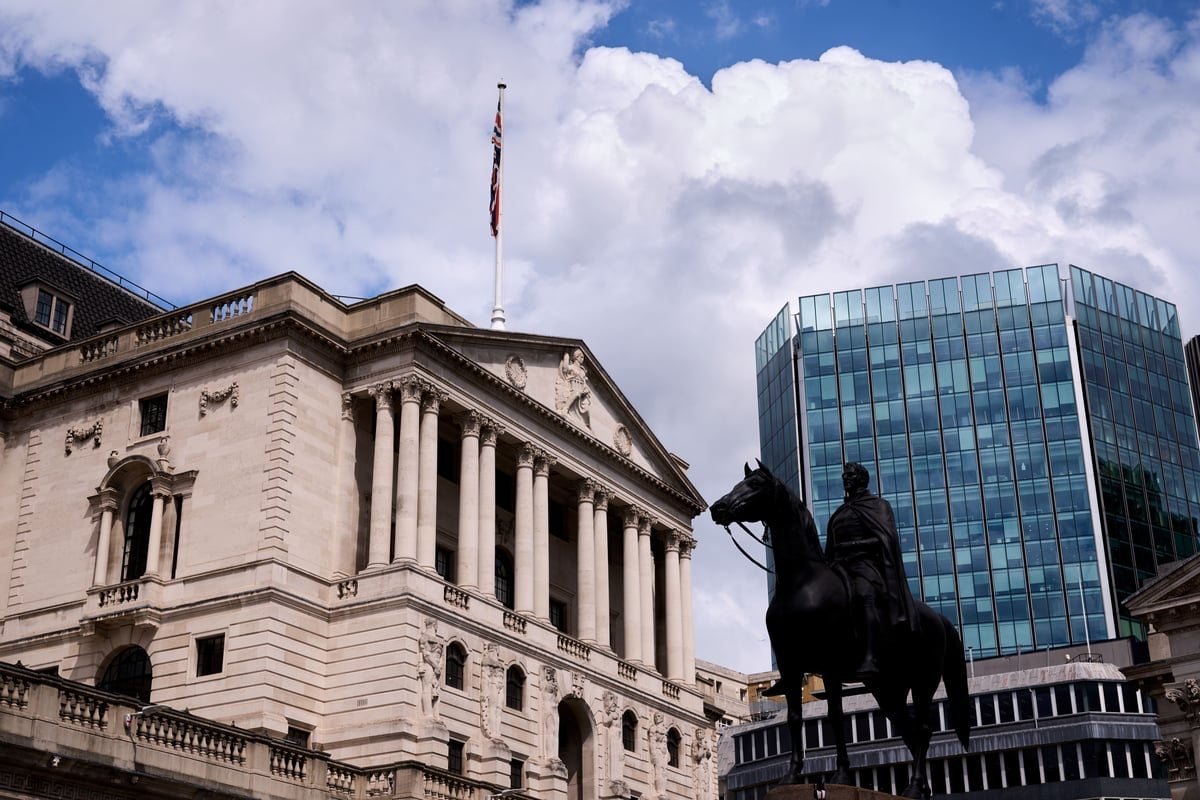
The Bank of England is widely expected to leave its benchmark interest rate unchanged at 3.75% when its Monetary Policy Committee (MPC) concludes its latest meeting on Thursday, with a majority of economists forecasting a repeat of the 7-2 vote seen at the previous gathering. The decision would mark the second consecutive hold after a series of cuts last year, underlining the central bank's cautious approach as it balances easing inflation against persistent price pressures and an uncertain global outlook.
According to analysts surveyed ahead of the announcement, the two dissenting members are likely to vote for a quarter-point reduction, arguing that further monetary support is needed to stimulate a sluggish economy. However, the majority is expected to favour holding the current rate, preferring to wait for more data on wage growth, services inflation, and the impact of recent fiscal measures before committing to additional easing. The split reflects the deep uncertainty within the committee about the pace at which inflation will return sustainably to the 2% target.
The MPC cut interest rates four times last year, bringing the base rate down from a peak of 5.25% to 3.75%. Despite that progress, inflation has proved stickier than anticipated in key sectors such as services, while wage growth remains elevated. Governor Andrew Bailey has repeatedly stressed that future decisions will depend on incoming economic data rather than a predetermined path. He has warned against premature loosening, noting that the fight against inflation is not yet won.
Global factors are also weighing on the MPC's deliberations. Trade tensions, particularly the threat of tariffs from the United States under President Donald Trump, have added to the uncertainty surrounding the UK's export prospects and business investment. While the immediate impact remains unclear, the possibility of renewed trade barriers complicates the inflation outlook and could force the Bank to keep rates higher for longer. Domestically, the Chancellor's recent Budget, which includes higher employer national insurance contributions, is expected to feed through to prices and employment decisions, further clouding the economic picture.
For households and businesses, the hold means mortgage rates are likely to remain elevated for the time being. Variable-rate borrowers will see no immediate relief, while those on fixed deals may still face higher costs when they remortgage, as market rates have not yet fully priced in expected future cuts. On the positive side, savers may benefit from sustained returns on cash deposits, though this provides little comfort amid the ongoing cost-of-living squeeze.
Market expectations now point to two or three quarter-point cuts later this year, possibly beginning in May or June, provided inflation continues its downward trajectory. However, the MPC's cautious stance suggests it will not be rushed. The 2026 outlook remains highly uncertain, as noted by several policymakers, with risks tilted to the downside for growth and upside for inflation. The Bank's next quarterly economic forecast, due alongside the rate decision, will be closely scrutinised for clues on how the committee sees the balance of these risks evolving.