Business 6 min read By Arthur Ellington
Lufthansa chair urges climate pragmatism over purity as record heat hits business
The chair of Lufthansa has called on companies to integrate sustainability into core decision-making rather than pursue unachievable green goals, warning that record temperatures and extreme weather are already disrupting energy, agriculture and infrastructure.
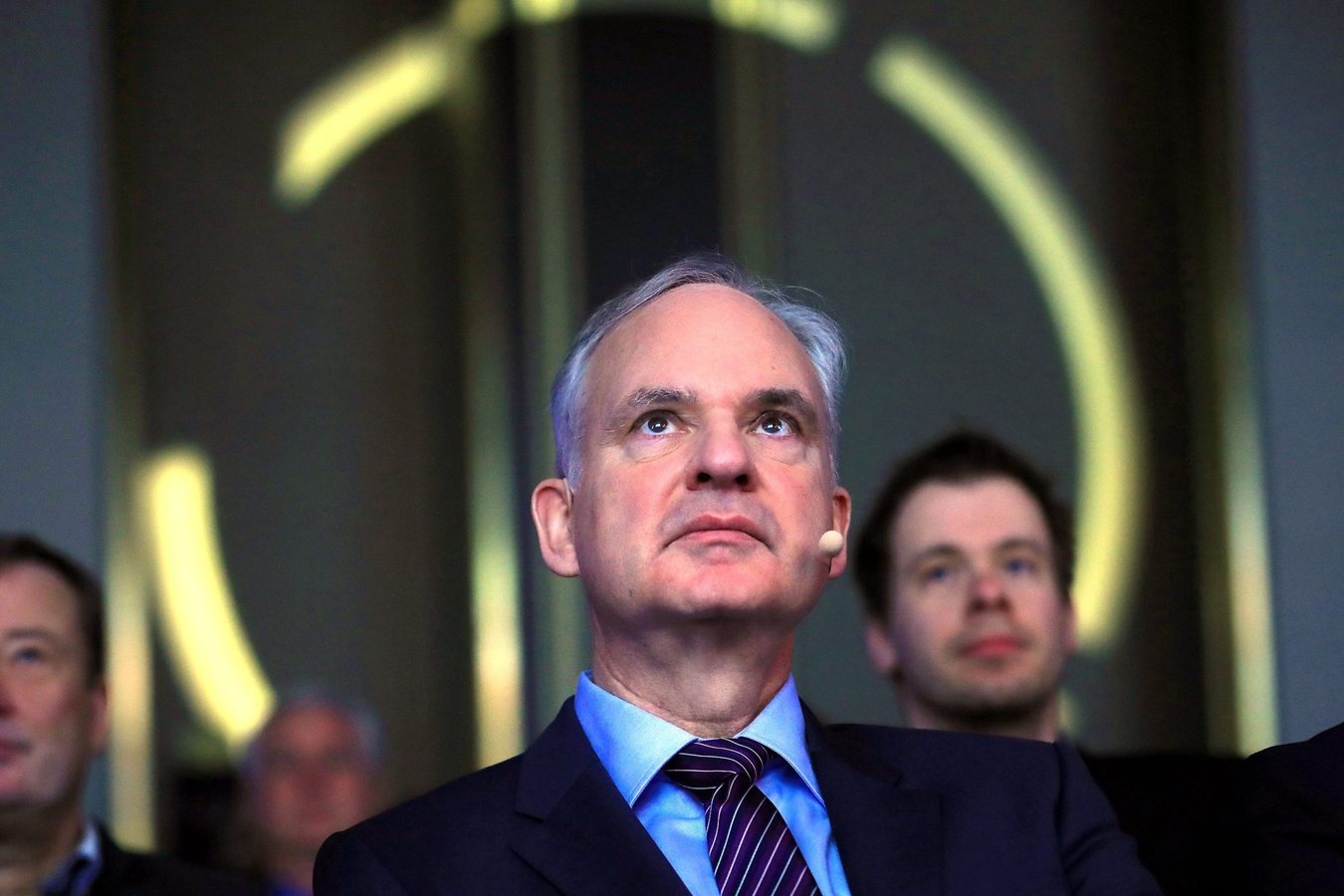
The chair of Lufthansa has urged business leaders to abandon climate purity in favour of pragmatism, arguing that companies must embed sustainability into core commercial functions rather than treat it as a standalone virtue. Writing ahead of Climate Week NYC, he warned that the hottest August on record has made the consequences of delay impossible to ignore, with heatwaves, floods and wildfires affecting communities worldwide.
His intervention comes as many corporate net zero commitments have stalled. Deadlines for science-based targets have been missed, the artificial intelligence boom has driven up absolute emissions at some firms, and a growing number of companies have dropped climate goals altogether, declaring them unrealistic without wider systemic change. The chair said the strategic question is no longer whether action is needed but how quickly political, technological and economic change will arrive, and how businesses should respond commercially while driving genuine transformation.
The human and economic costs are already visible. This year’s heatwave-laden summer in the Northern Hemisphere showed that predicted threats have become lived events. People are losing homes and harvests, with the burden falling hardest on those least able to bear it. Energy security and affordability have also been hit, complicating the transition to more sustainable systems. In the energy industry, where the chair spent most of his career, companies are managing variable renewable output while climate impacts disrupt the baseload capacity that electricity systems rely on.
Lower water levels in lakes and rivers are curbing hydroelectric generation at sites such as the Hoover Dam in the western United States. In southern France, a lack of cooling water has affected gas and nuclear plants, while low water levels in the Danube have contributed to a full-blown energy crisis in Eastern Europe. These factors make energy less secure and more expensive. During an unfolding El Niño year, unprecedented climate pressures are pushing prices up and constraining company growth, a pattern science suggests will become the new normal.
The economic damage extends well beyond energy. Wildfires have damaged infrastructure and assets from Indonesia to Canada, raising insurance premiums and making some areas entirely uninsurable. Drought is shrinking agricultural productivity, threatening price spikes for food and soft commodities, and cutting production at industrial facilities. These disruptions are exacerbated by increasingly volatile geopolitics and social fragmentation. Climate acts as a threat multiplier, driving displacement and straining the social contract on which stable markets depend. The chair warned that current dynamics point to new trade barriers, more frequent operational disruption and challenges to companies’ licence to operate.
Under such pressure, steering a large business towards a sustainable trajectory becomes far more complex. Standalone sustainability functions have often focused on the long term without sufficient recognition of the day-to-day demands faced by commercial teams. Overly exuberant executives have sometimes set up successors for failure by publicly pursuing audacious but unachievable goals as part of their legacy. Even companies with admirable ambitions can fail to build resilience, uphold cost control and preserve business continuity while improving sustainability performance.
The solution, the chair argues, is integration. Companies that genuinely embed sustainability into decision-making across finance, operations, logistics and procurement — while seizing the commercial opportunities of the net-zero transition — will be best placed to succeed. In many organisations this process is underway but still early. Too many executives have been able to disregard their sustainability colleagues, delaying difficult but inevitable decisions and avoiding short-term pain at the cost of longer-term gain. That leaves them exposed to serious and escalating impacts. Accelerating the transition can transform sustainability from a compliance cost into a performance catalyst: managing risk, improving efficiency and capturing new sources of value.
Alongside other members of the Council on Sustainability Transformation, convened by ERM, the chair has identified five recommendations in a new white paper. The first is to reposition sustainability within the business as a cross-functional capability embedded in strategy, planning and operations rather than a separate workstream. The second is to reframe it in financial terms, translating sustainability risks and opportunities into quantified impacts on cost, productivity, resilience and competitive advantage. The third is to prioritise resilience-critical investments, focusing on the initiatives that most clearly protect operations and unlock commercial value. The remaining recommendations emphasise the need for consistent leadership and measurable progress.
The message lands as Climate Week NYC convenes at a moment when many business and government leaders have become less vocal on environmental and social challenges. The chair’s argument is that pragmatism is not retreat but a harder-edged form of ambition: one that accepts the science, confronts the commercial reality and integrates both into the decisions that determine whether a company thrives or falters.
5