Business 3 min read By Callum Montgomery
Dutch Bros makes all its executives, CEO included, complete two-week barista bootcamp
Dutch Bros requires every senior leader, including CEO Christine Barone, to finish a two-week programme that teaches them to make drinks and run stores, as part of a growth-from-within model.
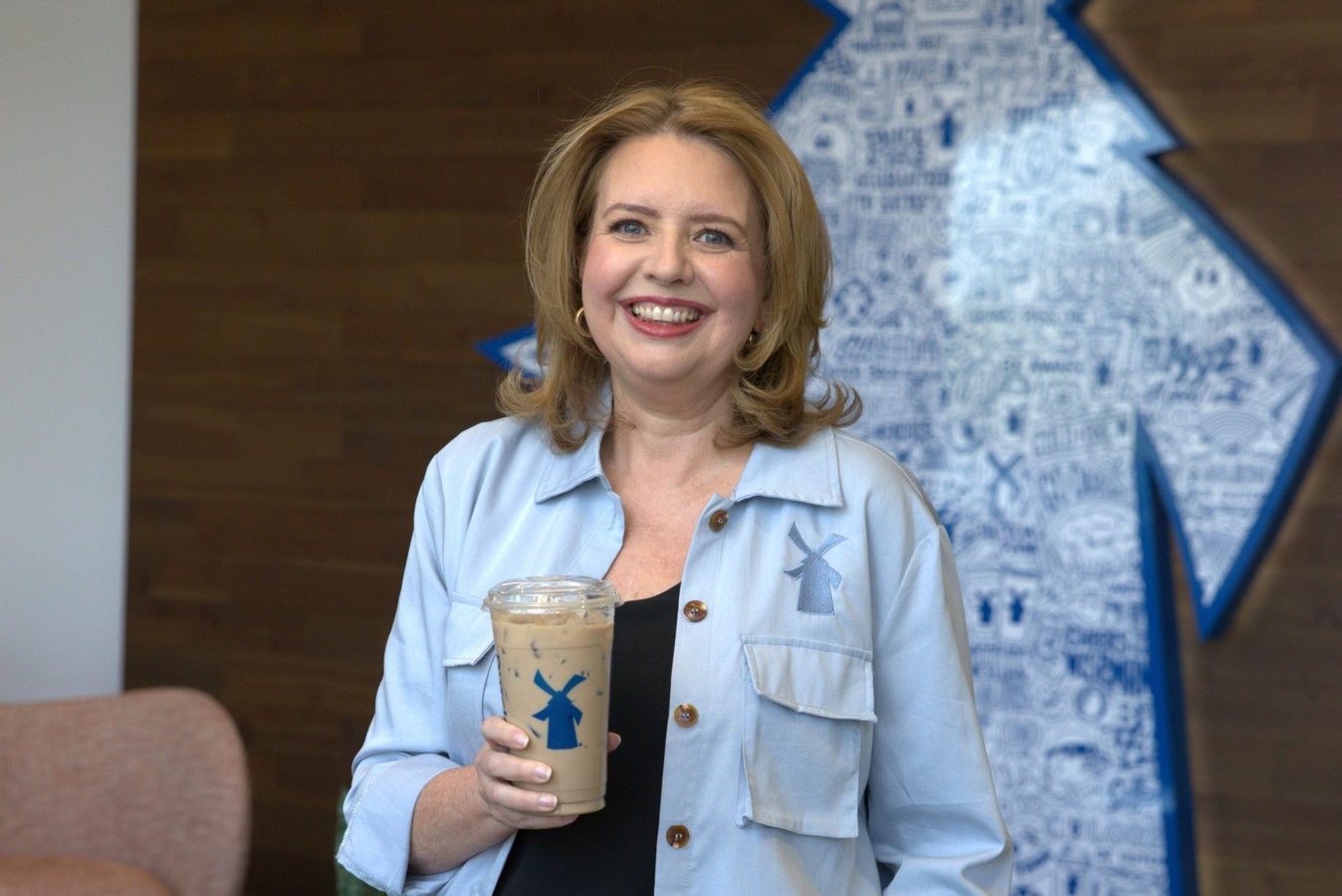
Dutch Bros requires every senior leader, including chief executive Christine Barone, to complete a two-week bootcamp in which they learn to make drinks and run coffee shops. The programme is designed to give the company's leaders firsthand experience of the work done by the chain's frontline staff, whom Dutch Bros calls "broistas", its term for baristas. Barone has completed the bootcamp in the same way as the company's other top leaders.
During the training, leaders complete six hands-on shifts in shops. They then sit a final test, known as the "Flow" assessment, which covers drink recipes, company history, operations and culture. Anyone who fails must retake it. Barone has said that frontline staff openly corrected her mistakes during her own training, a detail the company presents as part of the point of the exercise: the people who serve customers every day are the ones best placed to show leaders where the process breaks down.
The bootcamp forms part of what Dutch Bros describes as a "growth from within" model. Staff at the broista level, of which there are roughly 25,000, go through similar training. Marketing and product teams at the company's headquarters are also required to complete it. The aim is that designers and planners understand the customer experience inside the shop before they make decisions that affect it, rather than judging products from a distance.
Dutch Bros was founded by brothers Travis and Dane Boersma, who named the business after their Dutch immigrant grandparents. It began in 1992 as a pushcart coffee business in Grants Pass, Oregon, and opened its first franchise in 2000. The private equity firm TSG Consumer Partners took a minority stake in the company around 2018, and the business has since gone public. Dane Boersma has died, a fact that sits alongside the company's long history as a family-founded chain that grew from a single cart.
The company is now the third-largest coffee chain in the United States by sales and number of locations, behind Starbucks and Dunkin'. It reported 2025 revenue of $1.64 billion, up 27.9 per cent on the previous year, and is valued at about $7.5 billion. It operates around 1,273 locations across 27 states and employs roughly 37,000 people across its system. The company targets 2,029 stores by 2029, a plan that would expand its footprint by more than 750 shops from its current count.
That expansion sets the central question for the business: whether a training model of this kind can preserve its culture as the chain grows. Keeping the experience of frontline staff consistent across a network of more than 2,000 shops, many of them run by people who have not yet been through the same programme, will be a test of how well the "growth from within" approach scales. The company has not said how it will manage that challenge, and the outcome will depend on whether the standards set at the top continue to reach every counter.
Source: fortune.com
5