Economy 4 min read By Callum Montgomery
Social Security reserves run out in 2032, triggering an automatic 22 per cent benefit cut
The retirement trust fund is projected to exhaust its reserves in late 2032, after which payroll taxes would cover only about 78 per cent of scheduled benefits unless Congress acts.
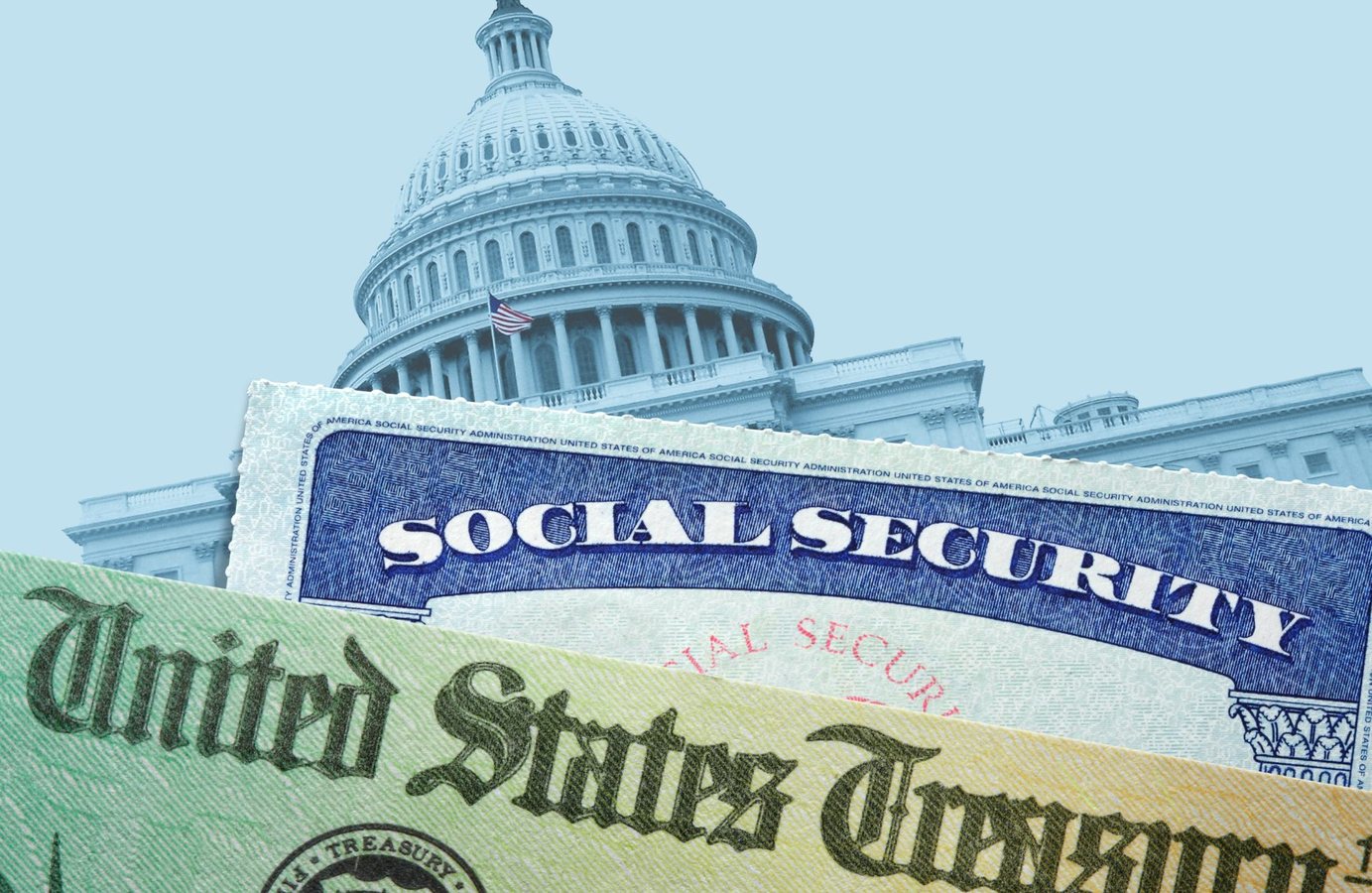
Social Security faces an automatic cut of roughly 22 per cent to scheduled benefits within six years unless Congress changes current law, according to projections in the Social Security trustees' 2026 report. The retirement trust fund is expected to run out of reserves in the fourth quarter of 2032. Once that happens, payroll taxes alone would cover about 78 per cent of scheduled benefits, and the cut would apply across the board, including to people already receiving payments.
The mechanism is automatic. Under current law, no congressional vote is required for the reduction to take effect, which is why the issue has drawn attention from analysts who warn that it has received little public notice. The programme pays benefits to more than 71 million people, and about 43 per cent of seniors rely on Social Security for the majority of their income. The Committee for a Responsible Federal Budget estimates that a typical retiring dual-income couple could lose around $16,900 a year in 2033 under the projected reduction.
The financial pressure has been building for some time. In 2021 the retirement fund's costs began to exceed its income. In 2025, income was about $1.45 trillion while outlays reached about $1.61 trillion, with the trust fund's reserves covering the gap. The trustees now put the programme's 75-year shortfall at $29.3 trillion in present-value terms, up from $25.1 trillion in the previous estimate.
The disability insurance fund is not projected to run dry within the 75-year window, so the immediate problem sits with the retirement fund. Merging the two funds would push the combined depletion date to about 2034, but it would not solve the underlying shortfall, the trustees' figures indicate. The broader pressures are demographic: there are fewer workers supporting each retiree, retirements are lasting longer, and immigration has slowed.
Public confidence is also low. A June 2025 AARP poll found that 36 per cent of respondents were confident in the programme's future, the lowest level since 2010. Part of the difficulty is that the payroll tax cap, which stands at $184,500 this year, limits the share of earnings subject to the tax. The taxed share of wages has fallen from about 87 per cent in 1984 to about 83 per cent today. The cap is set to rise to $192,300 in 2027.
Policy options under discussion include raising the retirement age to 69, increasing the payroll tax to 7.2 per cent on each side, lifting the earnings cap, and changing the measure used to calculate cost-of-living adjustments. Any of these would require legislation. Economists broadly agree that higher-income earners would need to pay more if the gap is to be closed without reducing benefits.
The debate over the solution is sharply divided. Treasury Secretary Scott Bessent has argued that economic growth could close the gap without cuts to benefits. AARP has urged Congress to act now, arguing that the shortfall can be filled without reducing what beneficiaries receive. The 1983 amendments, which raised the full retirement age and introduced taxation of some benefits, offer a precedent for bipartisan action, though they were passed when the timeline was more immediate in political terms.
For individuals, the trustees' projections are available through the Social Security Administration's website, where workers can check their own estimates. Financial planners often suggest budgeting for benefits at 75 to 80 per cent of the expected amount as a precaution. Whether Congress acts before 2032 will determine whether that cushion becomes necessary for millions of Americans.
Source: fortune.com
5