Business 5 min read By Callum Montgomery
Carhartt CEO warns schools are steering Gen Z away from skilled trades
Linda Hubbard says guidance counsellors are failing to promote vocational careers as a new report projects 1.7 million skilled-trades openings a year through 2035, with training pipelines producing just 55% of the workers needed.
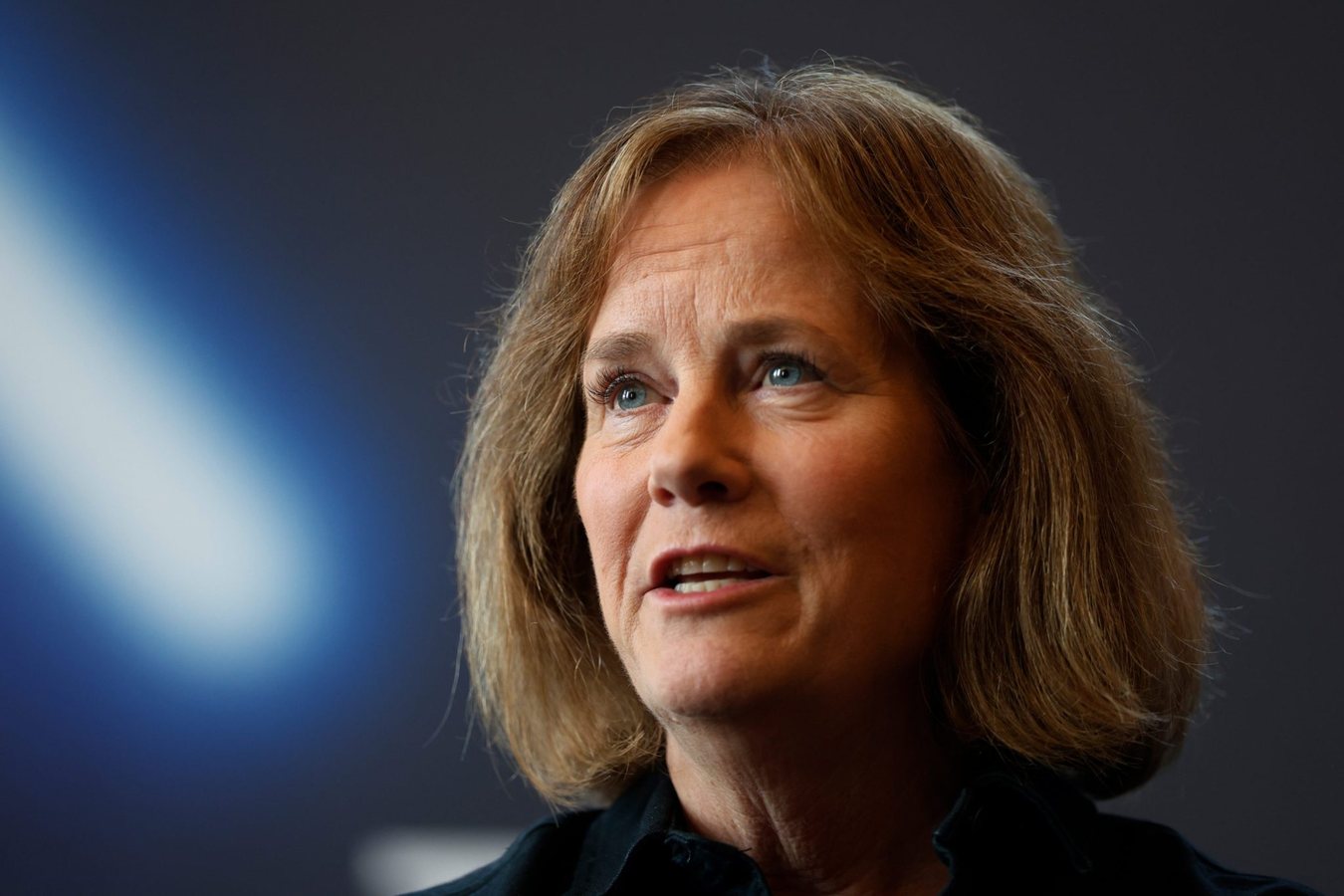
Schools are failing to steer students towards skilled trades at a time when employers face a widening shortage of plumbers, electricians and technicians, according to Linda Hubbard, chief executive of the workwear brand Carhartt.
Hubbard, who grew up in a blue-collar family, said guidance counsellors are not doing enough to present vocational careers as a credible and lucrative alternative to university. While 95% of counsellors agree that trade school is valuable, just 54% say they often recommend it and only 28% often suggest an apprenticeship, according to a new report from the Alliance for America’s Skilled Trades.
«We’ve been investing in high school training programs, but maybe we don’t have guidance counselors that are necessarily encouraging people to connect and explore a career in the skilled trades,» Hubbard said. She added that counsellors should think more broadly about «what are the skills you need to develop and how those can be fulfilling in developing a lifelong career.»
The alliance, formed earlier this year by Ford, Carhartt, BlackRock and Google, has since expanded to include 14 other corporations such as Meta, Microsoft and The Hershey Company. Its report projects about 1.7 million skilled-trades job openings each year through 2035, driven by new demand — including the rapid build-out of data centre infrastructure — and an ageing workforce. Yet current training pipelines are producing only 55% of the skilled workers needed to fill those roles.
The problem extends beyond the classroom. Fewer than half of people who start a trades apprenticeship finish it, and just 29% of starters are working in a trade within five years of leaving their programme. Hubbard pointed to practical barriers including a lack of reliable transport and childcare, which can cause workers to drop out of training.
«I can’t imagine how frustrating that would be to someone who really had all this enthusiasm to learn, goes into a program, and it’s just really not delivering what it needs to get them to success,» she said.
For students, the financial case for the trades is strong. Skilled-trades careers pay 32% more than other jobs that do not require a college degree, and many vocational programmes offer on-the-job training, allowing workers to earn while they learn to become an electrician, plumber or HVAC technician. The work can also lead to entrepreneurship later on.
But the sector still carries a long-standing stigma that trades are less respected than white-collar careers. Some roles are physically demanding and require significant travel as projects start and finish. Hubbard hopes the new data and the workforce alliance will be a first step towards improving the programmes that prepare workers for the trades and ensuring more of them lead to successful careers.
The push for greater attention to skilled trades is not new. Mike Rowe, known for his television show Dirty Jobs, has argued for decades that America has overlooked a huge class of essential jobs that do not require a four-year degree. «The jobs are essential, but for whatever reason, they’re not lauded. They’re not celebrated, and most of them are out of sight and out of mind,» Rowe said.
He added that the stigma around trades is now colliding with surging demand for workers, from data centre construction to the expansion of the defence industrial base. «There is a massive — it’s a knife fight in a phone booth — to get the talent that you need right now on a construction site,» he said.
Those jobs can come with six-figure paychecks. Rowe recently spoke with three electricians working at a data centre in Plano, Texas, all under 30 and all earning more than $200,000 a year. His advice to young people weighing their options was to «pick the tires on everything» and avoid being pulled into the assumptions of well-intended people around them.
3