Business 4 min read By Arthur Ellington
Big Oil Returns to US Supreme Court Over Climate Lawsuits
Major oil companies are asking the US Supreme Court to block climate lawsuits filed by states and municipalities, arguing that emissions policy should be set by federal regulators rather than the courts.
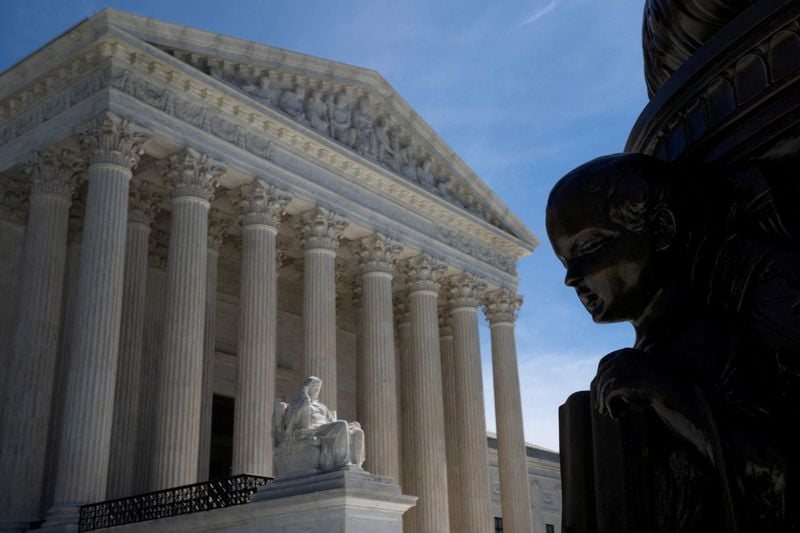
Major oil companies are turning once again to the US Supreme Court in an effort to shut down a growing wave of climate lawsuits brought by states and local governments, in a case that could determine whether the industry faces billions of dollars in damages over its role in global warming.
The litigation, filed by coastal states and municipalities across the United States, seeks to hold fossil fuel producers accountable for the costs of adapting to rising sea levels, more severe storms and other effects linked to climate change. The companies argue that greenhouse gas emissions are a national and international issue that should be addressed by federal regulators and Congress, not through a patchwork of state and local court cases.
The industry has repeatedly sought relief from the Supreme Court, and its latest petition asks the justices to review whether the lawsuits are pre-empted by federal law. The companies contend that allowing the cases to proceed would impose inconsistent obligations on energy producers and could raise consumer costs.
States and cities behind the suits say the companies knew for decades that their products contributed to climate change and misled the public about the risks. They are seeking compensation for infrastructure upgrades, flood defences and other adaptation measures, arguing that the costs should be borne by the industry rather than taxpayers.
The Supreme Court has previously declined to intervene in similar disputes, allowing the cases to move forward in lower courts. The industry's renewed appeal reflects its determination to secure a definitive ruling that could halt the litigation before trials begin.
Legal observers note that the outcome could have significant implications for other industries facing climate-related liability, as well as for the broader question of who bears the financial burden of adapting to a warming planet. A ruling in the companies' favour would effectively end the state and local lawsuits; a decision to let them proceed would open the door to discovery and potentially costly settlements or judgments.
The case comes amid heightened scrutiny of corporate climate disclosures and greenwashing claims on both sides of the Atlantic. In the UK, regulators have signalled a tougher stance on environmental marketing, while institutional investors increasingly factor climate risk into their decisions.
For the oil majors, the legal battle is one front in a wider contest over the future of fossil fuels. The companies have argued that they are investing in lower-carbon technologies while continuing to supply the energy that economies still rely on. Critics say those investments remain a small fraction of overall capital spending.
The Supreme Court is expected to decide in the coming months whether to take up the industry's appeal. If it declines, the cases will continue in lower courts, where several have already survived early motions to dismiss. If it accepts, the justices could issue a ruling that reshapes the legal landscape for climate litigation across the United States.
For British businesses with US operations or exposure to energy markets, the case is a reminder that climate policy is increasingly being shaped in courtrooms as well as parliaments. Companies in sectors from insurance to construction are watching closely, aware that the precedent set could influence how far courts are willing to go in assigning responsibility for the effects of climate change.
4