Technology 4 min read By Bethany Hadley
US cities cancel Flock Safety camera contracts as ALPR backlash grows
A grassroots revolt against AI-powered licence plate readers has led cities across the United States to cancel contracts with Flock Safety, while Florida has revoked highway permits for the technology and opponents in at least 36 states have damaged cameras.
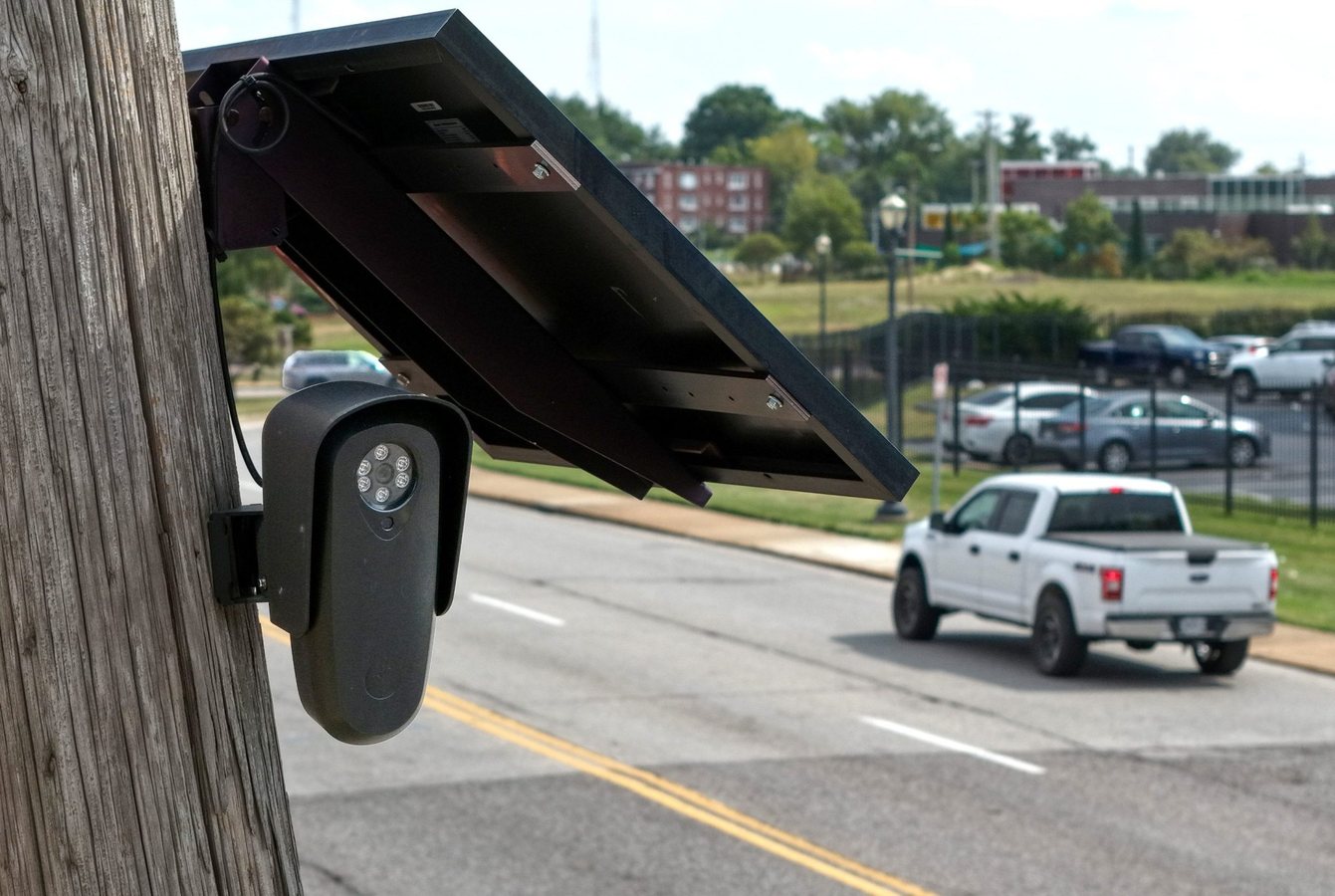
A growing revolt against AI-powered licence plate cameras is forcing US cities and states to reconsider contracts with Flock Safety, the dominant manufacturer of automated licence plate readers, or ALPRs. More than 130,000 of the devices are now installed on American streets, and over 5,000 law enforcement agencies use Flock equipment. But public anger over surveillance and documented misuse of the data has triggered cancellations, legal challenges and direct action.
In September 2026, Florida's Department of Transportation revoked permits for ALPRs on its highway system. Cities across the country have rejected or cancelled contracts with Flock following local outcry. The backlash has become increasingly bipartisan, with opponents in at least 36 states destroying or impairing cameras rather than waiting for local governments to act.
The technology captures images of every passing vehicle and converts the details into searchable data points. Flock Safety says its cameras have helped police identify and arrest criminals and reduce crime. But officers have also abused the system. A Kansas police officer was sentenced to 18 months' probation in April 2023 for using a Flock camera to stalk his estranged wife. A Florida police officer was fired and arrested in March 2026 for using ALPR data to stalk a woman he had previously harassed on a television set. In October 2021, activists sued California police departments for illegally sharing ALPR information with out-of-state and federal agencies, including US Immigration and Customs Enforcement.
Flock Safety chief executive Garett Langley appealed to history in June 2026, publishing a post on the company's website arguing that critics misunderstand the technology. The company has consistently defended its role in fighting crime.
The scale of the resistance has drawn comparisons with earlier chapters of American history. A historian of the American Revolution notes that colonists in the 1760s turned to smuggling rather than comply with British trade laws, and that London's attempts to extend imperial influence provoked boycotts and violence. In December 1773, members of the Sons of Liberty dumped nearly £10,000 worth of privately owned tea into Boston Harbour — almost US$2 million in today's money. Weeks later they tarred and feathered a British supporter, John Malcolm, parading him through the streets for five hours.
Britain responded with the Coercive Acts in May 1774, closing Boston's port and disbanding local government. By early 1775, around 5,000 British troops occupied Boston under General Thomas Gage, tasked with gathering intelligence on the Sons of Liberty and arresting dissidents. The surveillance campaign backfired, pushing more citizens towards the radicals. On the night of 18 April 1775, a network of watchmen evaded British surveillance and hung two lanterns from the steeple of Christ Church, signalling that Gage's troops were crossing the Charles River to seize colonial gunpowder — the events that began the American Revolution.
The parallel is not exact, but the pattern is familiar: a powerful authority introduces monitoring to maintain order, and the monitoring itself becomes the grievance. For Flock Safety and the agencies that rely on its cameras, the question is whether contract cancellations and vandalism will slow the spread of ALPRs, or whether the technology will continue to expand despite the opposition. What is clear is that the debate over automated surveillance has moved from city council chambers to highways, courts and the streets themselves.
7