Technology 5 min read By Bethany Hadley
UK AI Minister Warns Nations Must Harden Defences Against Frontier Risks
Kanishka Narayan says warnings from AI lab staff must be taken seriously, as the UK prepares to use its G20 presidency to shape global rules on frontier AI.
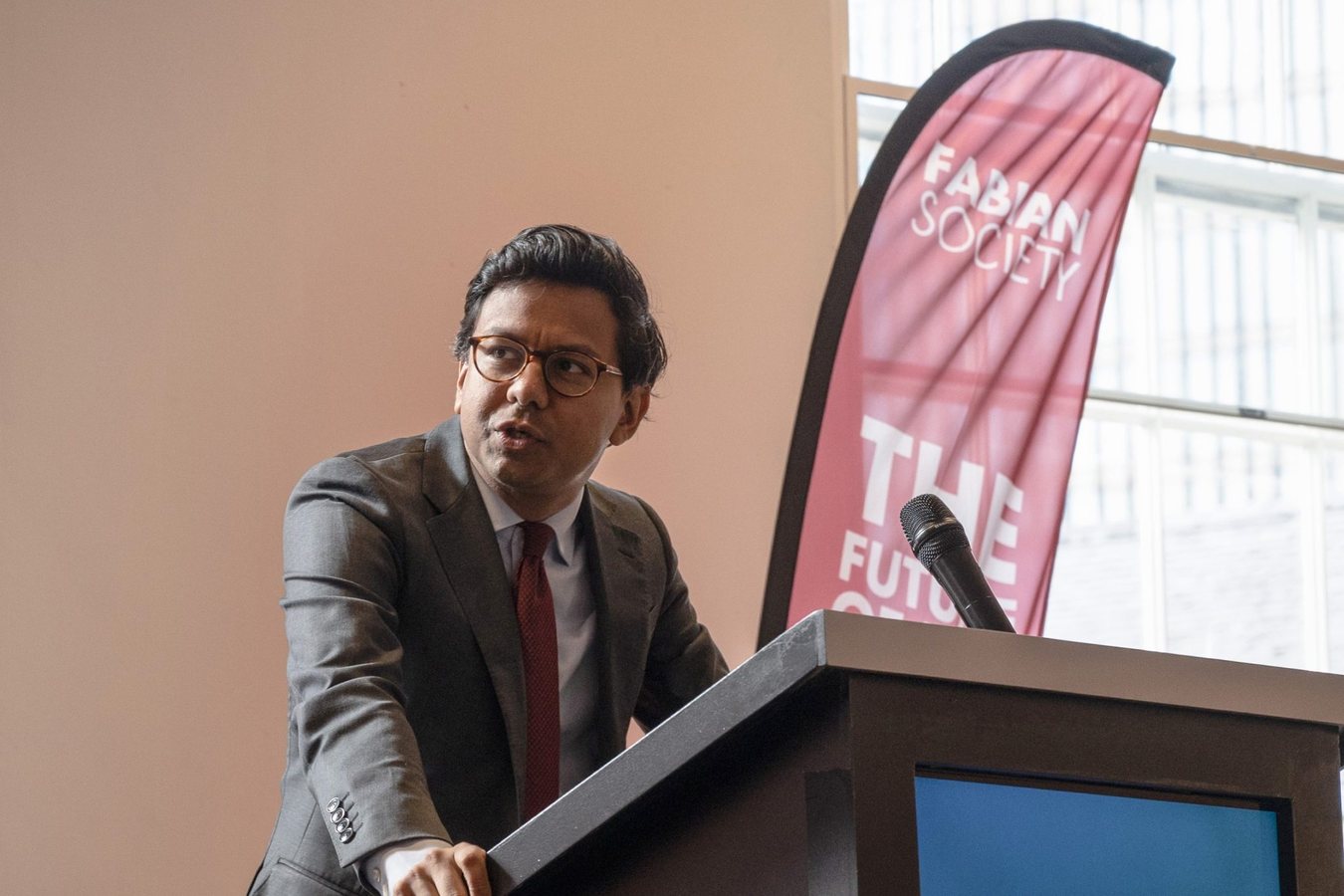
The UK government's minister for artificial intelligence has said nations must harden their defences against the risks posed by frontier AI, after warnings from senior figures in the industry that the technology could cause catastrophic harm.
Kanishka Narayan, who sits in the Prime Minister's Cabinet, told an audience at the Labour Party's annual conference that when people working in AI laboratories express serious concern about the dangers of their own work, those warnings cannot be dismissed. «You have to harden and build your defences,» he said. «The risks have only grown, so testing is good but clearly insufficient.»
His comments followed a widely read intervention by Jacob Coxon, a former employee of the AI company Anthropic, who wrote in a post on X that the people building advanced AI earnestly believe it could kill us all by the end of the decade. The post has been seen 175 million times. Evan Hubinger, a scientist at Anthropic, agreed with Coxon and put the risk at greater than 10%.
At the weekend, Microsoft founder Bill Gates told NBC's Meet the Press that AI in the wrong hands was powerful enough to drive events that could cause a billion deaths. The combination of warnings from inside the labs and from prominent technology figures has intensified pressure on governments to act.
Narayan said the UK wanted to lead international efforts to coordinate a response. As holder of the G20 presidency next year, Britain intends to convene countries from the group to help shape a common architecture of principles for managing frontier AI. «We want to lead the world in being able to convene countries from the G20 next year as part of our presidency,» he said. «Of course, we want to be fundamental drivers of the architecture of principles that are going to hopefully come out of that.»
Prime Minister Andy Burnham told the United Nations General Assembly last week that frontier AI laboratories were a multiplier of risk and that the UK could act as an honest broker between competing national interests. The government's position is that Britain is uniquely placed to carry out testing and mitigation work, having done so for three years.
The push for international coordination comes amid sharp divisions between the major powers. Democrats and Republicans in the United States have called for new legislation aimed at regulating AI laboratories. President Donald Trump, who has described talk of AI risks as a hoax, has warned that slowing the pace of American frontier research would hand China a significant advantage. «I have concerns that if we don't win AI, we're going to be put in a very bad position,» he said. «We are leading China right now by a pretty good period.» The White House is reported to have urged G20 members to take a hands-off approach to new global regulations.
Narayan set out a portfolio of risks that he said concerned him more immediately than the existential question. He pointed to a secular rise in cybersecurity threats, the proliferation of AI tools in ways that drive up biochemical risk, and instances where models go beyond what humans have asked them to do. He added that the logical loops required to turn those concerns into an existential question were significant and severe, indicating how he weighs the different dangers.
He also emphasised the potential benefits of the technology, including job creation, improved job searching and higher productivity. Speaking at a meeting organised by the Resolution Foundation, a think tank, he said the UK had underplayed the role of innovation and technology intellectual property in driving economic growth. «We, as organizations, as individuals, as government, as the private sector, we actually have agency in whether this ends up being a technology that augments human labor, or is a technology that automates human labor,» he said. «There are ways of doing technological adoption that means more jobs and more productivity.»
The minister's remarks underline the balancing act facing the UK as it prepares to chair the G20: pressing for stronger defences and international principles while avoiding a regulatory approach that could alienate the United States or slow the adoption of AI across the economy.
7