Technology 3 min read By Bethany Hadley
Strange Summit in San Francisco Highlights AI, Robotics and Fusion Ventures
At the Strange Summit in San Francisco, founders and investors showcased AI, robotics and fusion projects, with robotic drug manufacturing standing out among the presentations.
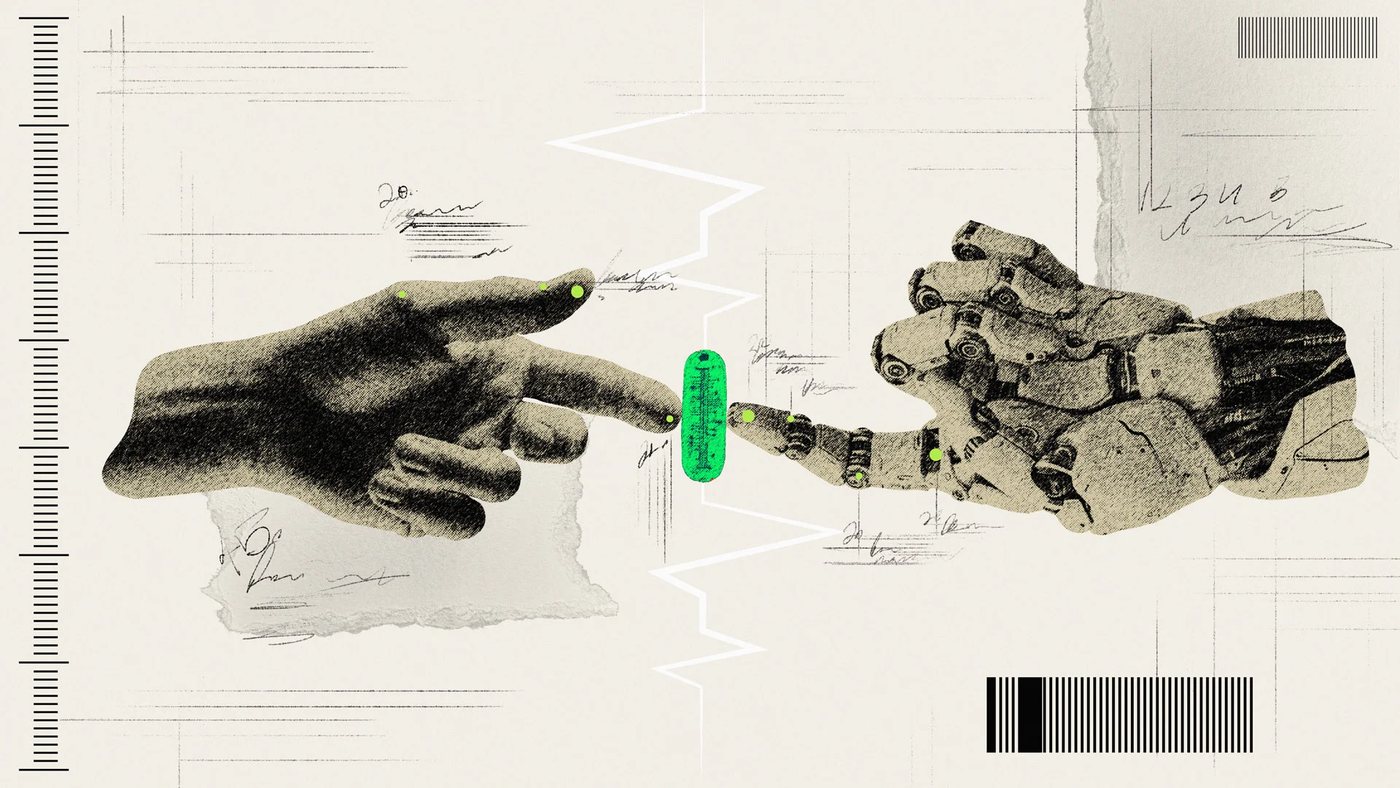
At the Strange Summit in San Francisco, founders and investors presented how AI, robotics and fusion are being applied to real-world problems and scaled up. Among the most discussed areas was medicine, where robotic systems are being built to produce treatments that are still made largely by hand.
The summit was described as part demo day and part meeting of minds, held as a deliberately small gathering. It brought together global investors and core startup teams with design and engineering leaders, with the aim of letting founders present the ventures they are building. The afternoon began with tours of two of Strange Ventures' flagship investments. One of them, Eos Atomics, is a small San Francisco team working on a new route to commercial fusion. The company's timeline was described as potentially reaching commercial fusion within five years, while the same account noted that fusion is real but likely not commercially feasible any time soon, a caveat that framed the session with a note of realism rather than hype.
The programme then moved to a session led by Strange Ventures founder Tara Tan, who offered a deep dive into the state of AI. It was followed by a dinner and a discussion that focused less on how technology is built and more on what it should build. That emphasis on purpose ran through the event, with speakers returning repeatedly to the question of which problems deserve the scarce engineering talent now flowing into the field.
The medicine theme linked to a separate San Francisco development. The robotics startup Multiply Labs, based in the Dogpatch neighbourhood, has raised $75 million to scale robots that automate the manufacture of cell and gene therapies. Those therapies are among the most promising and most expensive treatments in modern medicine, and their production has depended heavily on skilled technicians performing delicate steps by hand. The company's systems are designed to replicate human lab techniques, which it records on video and then reproduces with robotic arms and automated equipment. The funding is intended to help the company prove that its robotic systems can become a manufacturing business rather than a research demonstration.
Taken together, the summit and the funding round point to a wider shift in which robotics and AI are moving from prototypes into commercial products. Investors and founders are increasingly judging these technologies by whether they can operate reliably at scale, and whether they can meet the regulatory and quality demands of sectors such as pharmaceuticals, where mistakes carry direct consequences for patients.
5