Technology 3 min read By Bethany Hadley
Nvidia customers told of AI server price rises above 15%
Nvidia has informed major customers that servers containing its AI chips will cost more than 15% extra from early next year, driven by soaring memory chip costs. The increases affect systems with Vera Rubin and Grace Blackwell chips and reflect the growing leverage of memory makers Samsung, SK Hynix and Micron.
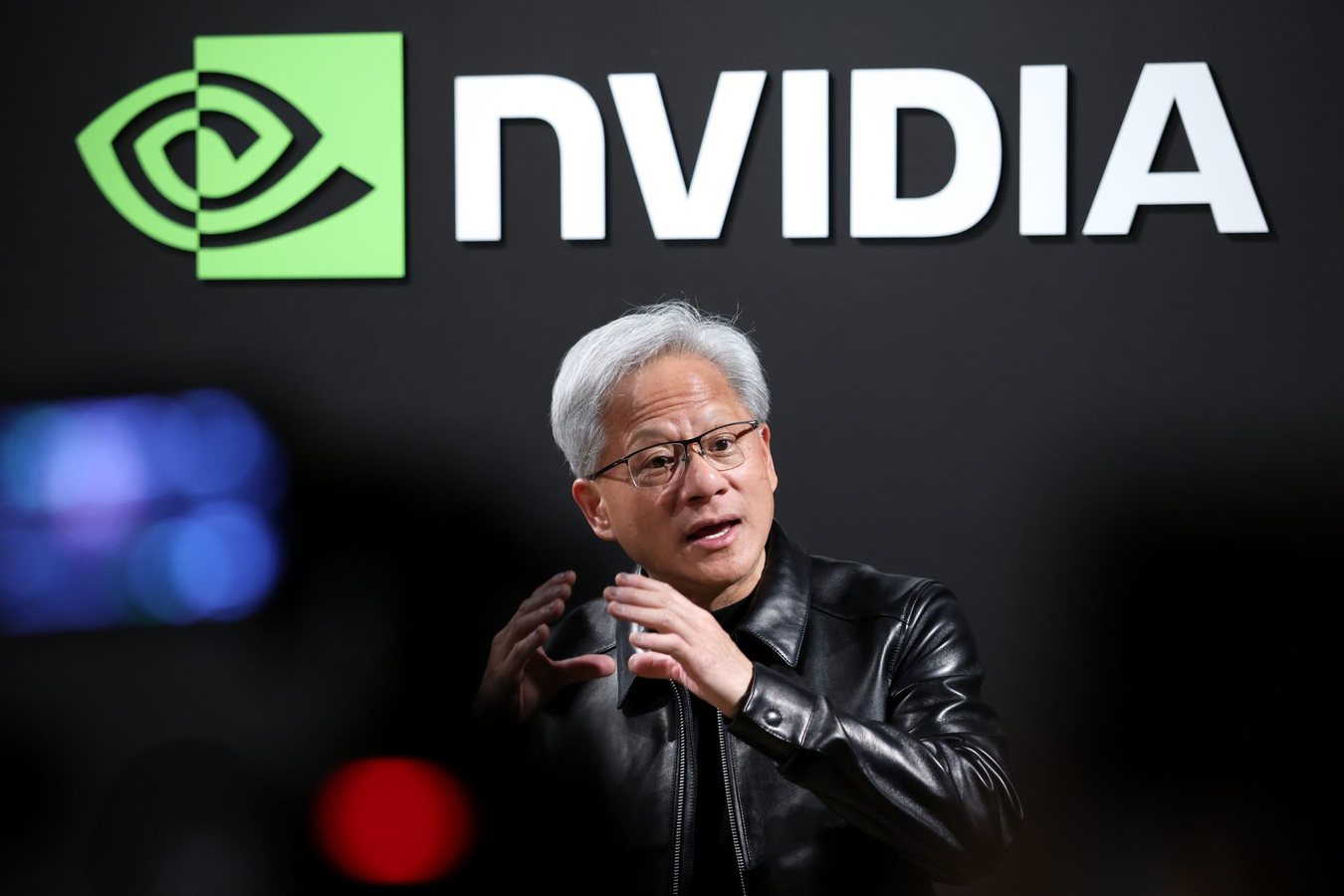
Nvidia Corp. has told some of its largest customers that servers containing its artificial intelligence chips will cost more than 15% more in many cases, as memory chip prices surge. The increases will apply to systems shipped early next year, including those built around the flagship Vera Rubin and Grace Blackwell processors, according to people familiar with the matter.
The scale of the rise will depend on the generation of Nvidia chips and the memory configurations involved. Contract manufacturers that build servers for major data center operators, including Microsoft Corp., Alphabet Inc.'s Google and Oracle Corp., have recently notified their customers of the forthcoming increases. Nvidia representatives did not respond to requests for comment.
The move shows how much leverage memory chip makers now hold over the technology industry. Samsung Electronics Co., SK Hynix Inc. and Micron Technology Inc. account for most of the world's production of dynamic random access memory, or DRAM, the type of chip paired with Nvidia's accelerators. Despite increasing output, they have not caught up with surging demand, driving up the price of these components and giving their manufacturers unprecedented influence.
Nvidia's accelerator processors are the core of computers that create and run AI software, and their performance depends heavily on the amount of DRAM they are paired with. The company is one of the most profitable in semiconductors, charging tens of thousands of dollars per chip because supply from contract manufacturer Taiwan Semiconductor Manufacturing Co. still cannot meet demand. Its gross margin stands at 75%.
Major technology companies including Apple Inc. and Qualcomm Inc. have recently said they have been forced to raise prices because of chip shortages. Nvidia has also increased prices for its gaming-oriented PC graphics cards, according to industry news site Tom's Hardware.
How Nvidia's customers respond to the latest move, and whether it creates an opening for competitors, will likely depend on whether they can secure enough memory themselves. Amazon, Microsoft, Google and Meta are all pursuing in-house chip programs but remain dependent on Nvidia for their data center build-outs. Their ability to push forward with greater independence will also depend on their access to supply from Samsung, SK Hynix and Micron.
The price increases are likely to add complexity to the industry's massive AI data center construction ambitions. Project delays, labor shortages, tightening capital markets and community resistance to developments have already complicated many plans. Nvidia is reporting fiscal second-quarter earnings next week, and its updates have become a key indicator for the technology industry and investors who have poured money into AI infrastructure.
56