Technology 4 min read By Alice Ashford
Harvard launches AI professor clones for $699 startup bootcamp
Harvard Business School has introduced AI versions of its faculty in a $699 online startup bootcamp, allowing founders to rehearse investor pitches and sales calls with digital avatars of instructors.
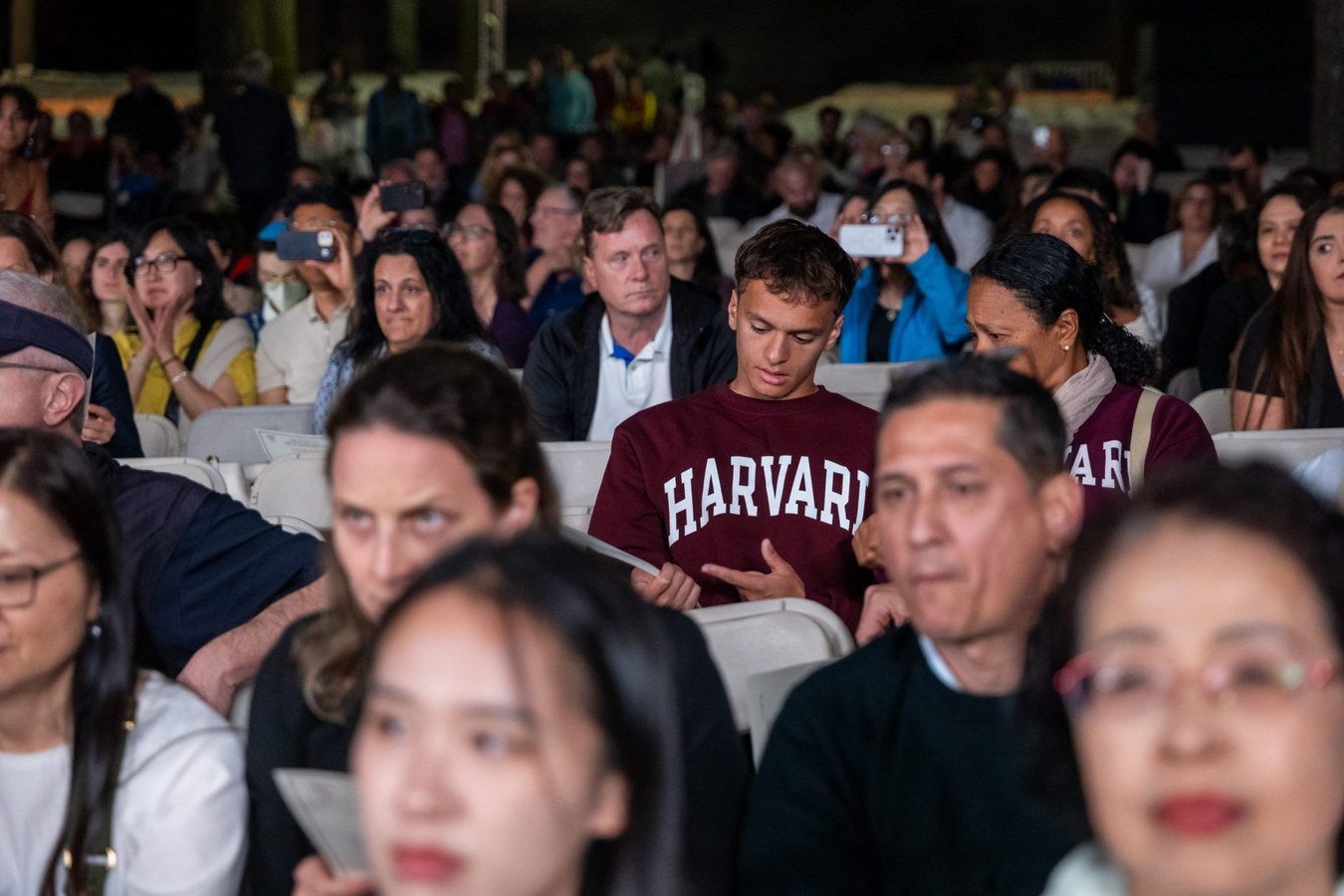
Harvard Business School has begun deploying AI versions of its faculty in a $699 online startup bootcamp, giving aspiring founders the chance to rehearse investor pitches, sales calls and board meetings against digital avatars of real instructors. The eight-week programme, run through the school's HBS Foundry platform, lets participants test their pitches repeatedly with an AI clone before facing a live audience.
The bootcamp combines what Harvard describes as an “AI-native digital workspace” with live sessions featuring experts, and culminates in an opportunity to pitch to investors for $100,000. According to a Harvard spokesperson, 760 founders have already taken part. Kat Rings, Foundry's director, said the AI experiences were developed in response to requests from founders who wanted more practice opportunities before meeting mentors and investors in person.
Seven HBS professors and senior lecturers, whose backgrounds span venture capital, business-model design, board dynamics and startup strategy, have agreed to have their digital likenesses used in the programme. Participation was voluntary, with dedicated interviews, recording sessions and ongoing faculty feedback built into the process. Shikhar Ghosh, one of the cloned professors, said the goal was not to replace human instructors but to give founders another way to prepare and challenge their thinking before live sessions.
The bootcamp is not an HBS degree programme and carries no academic credit. A Harvard spokesperson said it was designed to extend entrepreneurial support to high-potential founders who may never study at the university or have access to a major innovation ecosystem. The $699 price tag is modest compared with the business school's annual tuition of more than $84,000.
The initiative highlights a growing divide in how universities approach AI. While some academics have raised concerns about students using the technology to cheat on exams, other institutions are exploring ways to scale scarce faculty time into digital products. Imperial Business School has created digital twins of professors, and Georgia Tech has deployed an AI teaching assistant named Jill Watson across large online classes.
Harvard is not the first to turn a professor into software. Last year, Georgia Tech professor David Joyner created an AI avatar of himself, dubbed “DAI-vid,” for an online generative AI course on edX, the open online course provider founded by Harvard and MIT. Joyner, now Georgia Tech's interim Vice Provost for AI in Education, said faculty using AI to expand their reach could have an enormous positive effect, but stressed that strong collaboration with the person being represented was essential.
Experts point to limits in what AI can replicate. Lindsay Tanne Howe, whose company LogicPrep helps students gain admission to top schools, said AI could make a professor's knowledge and perspective available at scale, but could not replicate everything that happens between people. Kian Katanforoosh, a Stanford lecturer and founder of AI skills platform Workera, said AI could handle repetitive tasks such as answering unlimited questions, but could not truly know a student or put its own reputation at stake.
The experiment also raises questions about what students believe they are paying for. College students have already objected to professors outsourcing lesson planning and grading to AI, and while the AI element is an explicit part of Harvard's Foundry proposition rather than a hidden practice, it could create similar tensions. Howe noted that AI cannot necessarily replicate the experience of an elite education, even as it makes some of its resources more widely available.
68