Sports 3 min read By Arthur Ellington
Top 25 college basketball NIL earners face $40.7 million in 2026 taxes
College basketball's 25 highest-earning athletes in name, image and likeness deals are valued at $99.9 million for 2026 and are projected to owe roughly $40.7 million in federal, state and local taxes.
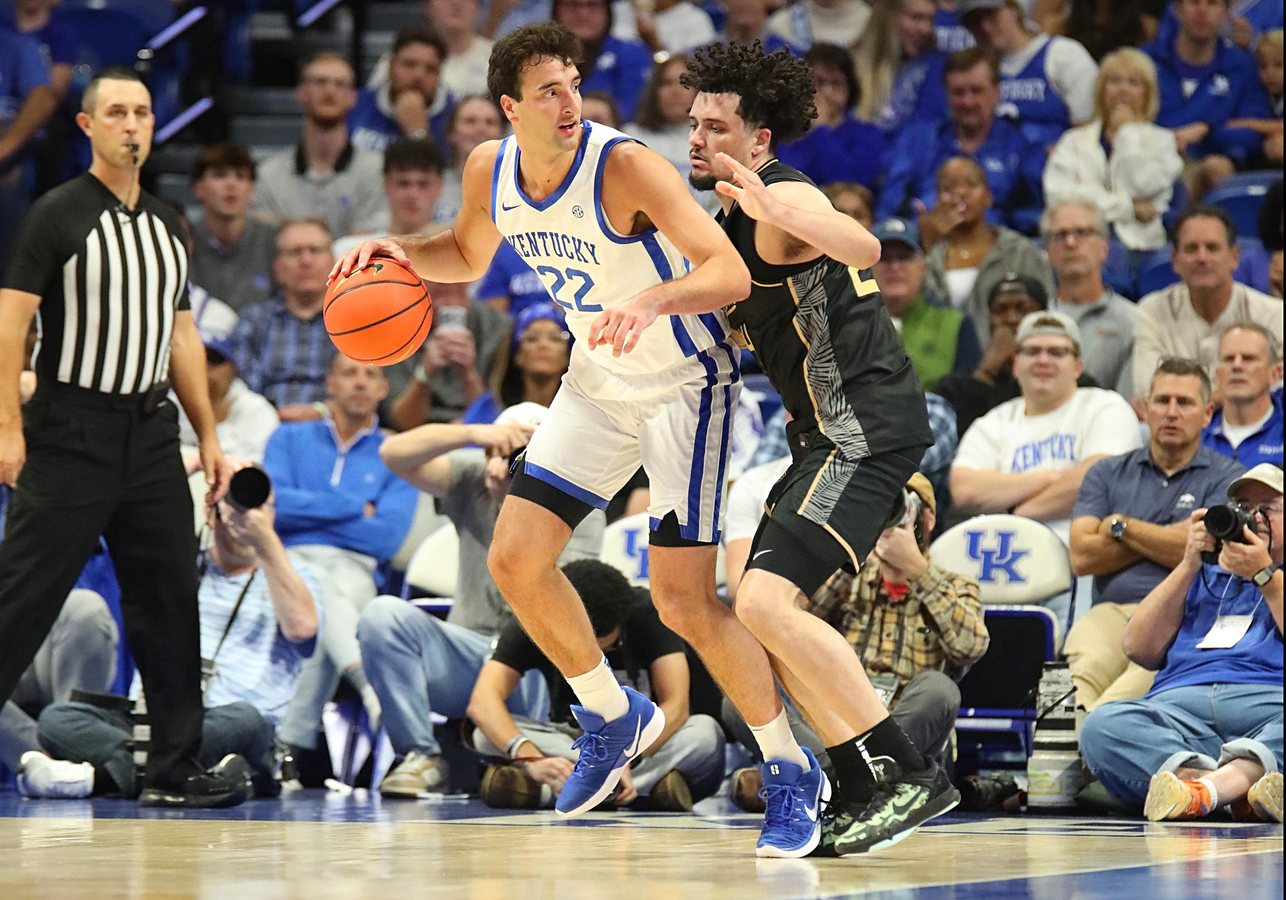
College basketball's 25 top earners from name, image and likeness deals are valued at $99.9 million in 2026, and they are expected to owe roughly $40.7 million in federal, state and local taxes. The figures, compiled by Forbes, show how much of the sport's rapidly growing NIL market will flow to tax authorities this year.
The projected tax bills give a clear picture of how much of these earnings will be absorbed before players see the money. Because the calculation covers federal, state and local obligations together, the total reflects the combined burden faced by athletes whose income now rivals that of many professional players. The analysis is built around the estimated value of each athlete's NIL portfolio, which includes endorsements, sponsorships and other brand partnerships.
The scale of the numbers underlines how NIL has moved from a niche consideration to a significant financial force in college sports. Players who once received only scholarships and stipends can now command deals worth millions, and the tax implications of those deals are becoming a central concern for athletes, their advisers and the programmes that recruit them. Forbes' breakdown of the top 25 provides a snapshot of where the market currently stands for the sport's most marketable players.
For the individuals involved, the gap between headline value and take-home pay is substantial. A figure of $99.9 million in deal value, set against roughly $40.7 million owed in taxes, means that a significant share of the income is committed to government before any personal spending or saving. Because the tax burden is spread across three levels of government, athletes and their advisers must account for each layer when projecting what they will actually keep from a given agreement.
The timing of these obligations also matters. Income from NIL deals arrives in a market where contracts can be large, concentrated and paid over a limited window, which means that tax planning done early can determine how much remains available later. The 2026 projection therefore functions as a reminder that headline deal values and net earnings are distinct figures, and that the difference can be considerable for the highest-profile players in the sport.
The analysis is limited to the top 25 players and to 2026 projections, so it does not capture the full range of NIL activity across college basketball. Lower-profile athletes, whose earnings are typically far smaller, fall outside the calculation. Readers should also note that tax liabilities depend on individual circumstances, including state of residence and the structure of each agreement, so the estimates describe an approximate picture rather than exact bills.
Source: forbes.com

5