

Technology 5 min read By Callum Montgomery
Apple Updates Mac mini With M6 and M5 Pro Chips
Apple has refreshed the Mac mini with new M6 and M5 Pro processors, positioning the compact desktop as its most compelling version yet and strengthening its appeal for business and professional users.
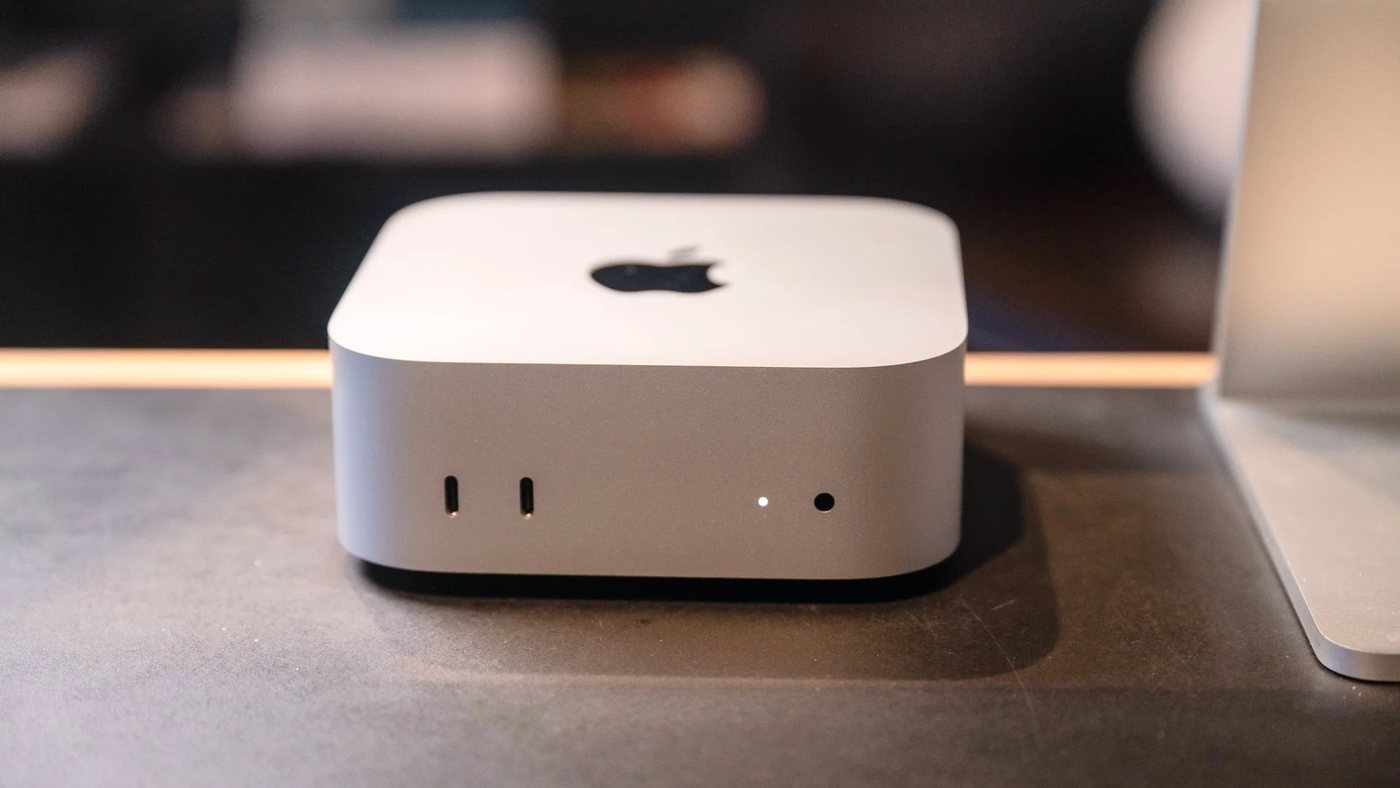
Apple has released new Mac mini models powered by its M6 and M5 Pro chips, giving the compact desktop its most significant update to date. The refresh places the machine at the centre of Apple's desktop line-up and sharpens its pitch to professional and business buyers who want workstation-class performance in a small, energy-efficient enclosure.
The Mac mini has occupied several roles since its introduction: a low-cost entry point to macOS, a quiet home-theatre companion, and a compact server for small offices. The latest generation pushes it further into serious computing territory. The M6 and M5 Pro silicon bring faster processing, improved graphics, and greater memory bandwidth, allowing the machine to handle demanding workloads such as software development, data analysis, and media production that were once the preserve of larger towers.
For British businesses, the update matters beyond raw speed. The Mac mini's small footprint, low power draw, and relatively accessible starting price make it a practical option for organisations assembling fleets of desktops. Its performance per watt is a key selling point as energy costs remain a concern for IT budgets, and its size allows it to sit unobtrusively in open-plan offices, studios, and home workspaces alike.
Apple has not disclosed UK pricing or a precise release date in the source material, but the company's pattern is to roll out new silicon across its Mac line quickly. The M6 and M5 Pro variants are expected to sit alongside existing configurations, giving buyers a choice between mainstream performance and a higher tier aimed at professional users. The Pro model in particular targets customers who need sustained performance for tasks such as video editing, 3D rendering, and compiling large codebases.
The timing reflects broader pressure on the desktop market. Rivals continue to push compact workstations and mini PCs, and the line between consumer and professional hardware keeps blurring. By upgrading the Mac mini rather than leaving it as an entry-level afterthought, Apple is signalling that the small form factor is no longer a compromise. That could appeal to creative agencies, financial firms, and technology companies looking to refresh ageing hardware without committing to bulky, power-hungry machines.
The Mac mini's history is one of reinvention. It began as a budget bridge for switchers, became a favourite in living rooms, and later found a second life in server racks and development labs. Each generation has been judged less on appearance than on what it enables. The M6 and M5 Pro models continue that trajectory, turning a modest box into a machine capable of anchoring a professional workflow.
For IT decision-makers, the practical questions will be about configuration, longevity, and total cost of ownership. Apple's silicon has generally delivered strong performance retention over several years, and the Mac mini's repairability and upgrade path remain limited compared with some rivals. Still, the combination of performance, efficiency, and macOS integration keeps it on shortlists where space and power are at a premium.
The update also lands as artificial intelligence workloads move closer to the desktop. Running models locally, rather than relying solely on cloud services, is becoming more feasible, and faster chips with more memory make that shift easier. The Mac mini's role as a compact AI development node or edge device may grow as a result, particularly for organisations that want to keep sensitive data on premises.
Apple has yet to confirm full specifications, availability, or pricing for the UK market. What is clear is that the Mac mini has been given its most important update yet, and the compact desktop is once again a serious contender for businesses and professionals rather than a niche accessory.
5