Technology 3 min read By Bethany Hadley
Anthropic Pushes Its Own AI Safety Bill to Lawmakers
Anthropic has been quietly lobbying lawmakers on a draft AI safety bill of its own, according to reports, as the company seeks to shape regulation of the technology it develops.
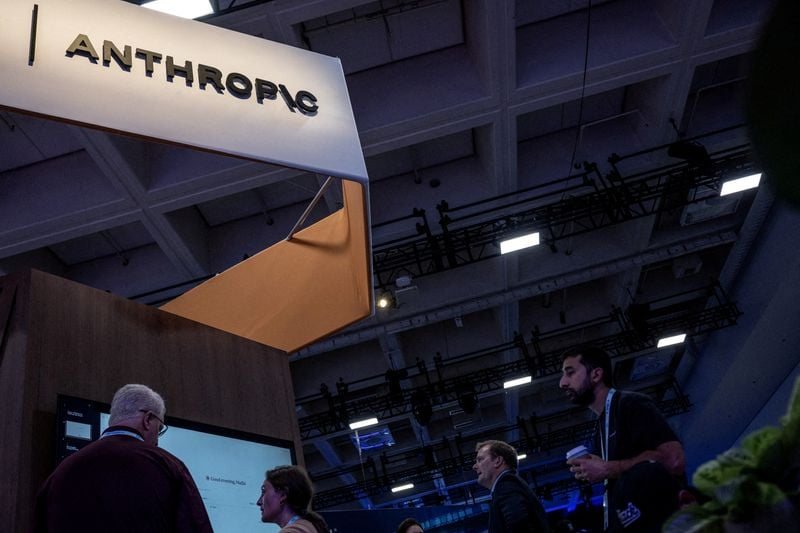
Anthropic has been quietly making the case to lawmakers for its own proposed artificial intelligence safety legislation, according to reports, in a move that places the AI developer at the centre of the debate over how governments should regulate the technology.
The company, which develops the Claude family of AI models, has been pitching a draft bill to policymakers rather than waiting for regulators to set the terms. The reported effort reflects a wider scramble among leading AI firms to influence the rules that will govern their industry, as governments in the UK, the European Union and the United States weigh how to balance innovation with public safety.
Details of the proposal have not been widely published, and it is unclear how far the draft has progressed or which lawmakers have been engaged. The reported lobbying effort nonetheless signals that Anthropic intends to be an active participant in the legislative process rather than a passive subject of it.
The move comes as AI safety has become a central political question. Lawmakers have raised concerns about risks including the misuse of generative models, the spread of disinformation, and the potential for powerful systems to be deployed without adequate oversight. Companies at the frontier of AI development have argued that regulation should be targeted at the most capable models, while critics warn that industry-drafted rules risk being too favourable to the firms that write them.
Anthropic has positioned itself as a safety-focused developer, publishing research on model behaviour and advocating for guardrails on advanced systems. Its willingness to put forward its own legislative text is unusual for a company of its size and underlines how seriously AI firms are treating the regulatory agenda.
The reported pitch also highlights a broader trend in which technology companies draft model legislation and present it to governments. Such proposals can accelerate policymaking by giving officials ready-made frameworks, but they also raise questions about transparency and the influence of corporate interests over rules meant to protect the public.
For British policymakers, the development is relevant as the government continues to develop its approach to AI regulation, having so far favoured a sector-led model overseen by existing regulators rather than a single new AI law. Any industry-backed proposal from a major developer is likely to feed into that debate, particularly as ministers face pressure to show that the UK is both pro-innovation and alert to safety risks.
It remains to be seen whether Anthropic's draft will gain traction with lawmakers or serve mainly as a starting point for discussion. What is clear is that the contest over AI rules is now being fought not only in parliaments and regulators' offices but also in the drafting rooms of the companies the rules would cover.
6