Technology 3 min read By Alice Ashford
Andy Burnham Scraps Digital ID Plans to Focus on Cost of Living
Labour deputy leader Andy Burnham has scrapped plans for a digital ID system, redirecting efforts to tackle the cost-of-living crisis as he prepares to become prime minister.
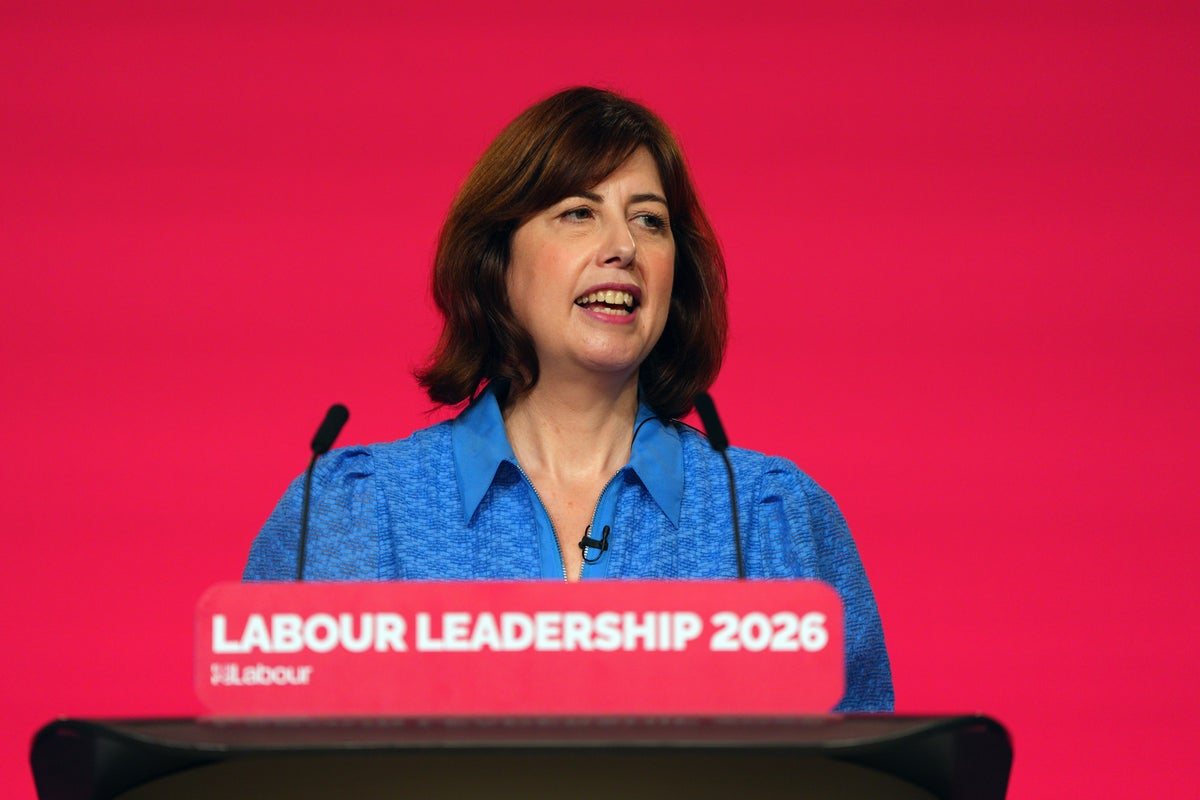
Andy Burnham, the Labour deputy leader and incoming prime minister, has announced the scrapping of the proposed digital ID scheme, redirecting the government's focus to addressing the cost-of-living crisis. The decision, confirmed by Labour deputy leader Lucy Powell, marks an early policy shift as Burnham prepares to take office on Monday.
Powell stated that the move would allow the new administration to apply a «laser focus» on the pressing economic challenges facing British households. The digital ID project, which had been under consideration by the previous government, was seen by critics as a costly and potentially intrusive measure. By abandoning it, Burnham aims to signal a break from past policies and a commitment to immediate public concerns.
The announcement comes amid broader economic pressures, including high inflation, stagnant wage growth, and rising energy costs. Burnham has pledged to deliver «good growth in every postcode» by devolving power from Westminster to local communities. However, with public finances strained and the next general election looming, analysts question how quickly his government can implement meaningful change.
Burnham's cabinet appointments have also sparked speculation and internal debate. Reports suggest that key Labour figures, including Ed Miliband and Shabana Mahmood, are vying for senior roles, while some party insiders have described Burnham's pledge to unite Labour as «dead on arrival» due to factional tensions. Powell has dismissed much of the media speculation as premature, urging focus on the government's policy agenda rather than personnel matters.
The digital ID scheme was originally proposed as a tool to streamline public services and enhance security, but it faced opposition from civil liberties groups and concerns over data privacy. Burnham's decision to scrap it aligns with his broader emphasis on reducing bureaucratic overhead and prioritizing direct economic relief. The move is expected to save the government millions in development costs, though exact figures have not been disclosed.
Burnham's economic strategy, outlined in recent speeches, centers on boosting industrial investment, increasing defence spending, and tackling the housing crisis. He has called for a «new deal» for working people, including measures to control energy bills and expand affordable housing. Yet, with the UK facing a series of global economic shocks and deep regional inequalities, the path forward remains fraught with challenges.
As Burnham prepares to enter Downing Street, his early decisions will be closely watched by both supporters and critics. The scrapping of digital ID is a clear signal of his intent to govern differently, but whether it will translate into tangible improvements for voters remains to be seen. The new prime minister is expected to outline his full legislative agenda in a speech to Parliament later this week.
153