Technology 4 min read By Alice Ashford
AI Is Reshaping Three Medical Specialties, Shifting Doctors Toward Treatment Strategy
Artificial intelligence is finding abnormalities faster and tracking changes over time across three visual medical specialties, pushing physicians toward treatment strategy rather than routine detection.
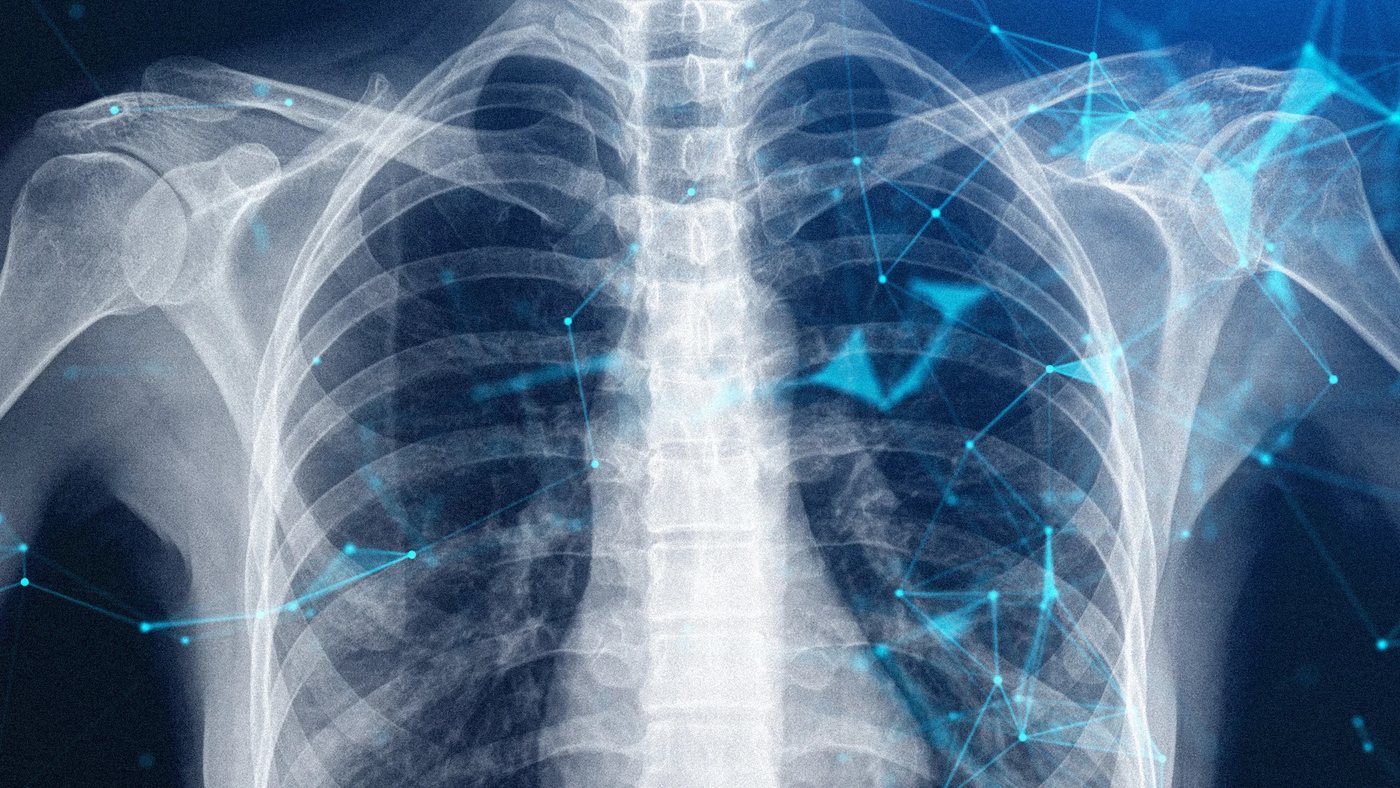
Artificial intelligence is changing the daily work of doctors in three visual medical specialties, where machines now detect abnormalities faster and track changes over time more reliably than the human eye alone. The shift is not replacing physicians but repositioning them, moving their focus away from routine scanning and toward treatment strategy and patient management.
The specialties most affected are those that rely heavily on imaging and pattern recognition. In radiology, AI algorithms trained on millions of scans can flag suspicious lesions, fractures, or early-stage tumours in seconds, allowing radiologists to prioritise urgent cases and spend more time on complex diagnoses. Pathology is undergoing a similar transformation, with digital slides analysed by machine-learning models that identify cellular irregularities with a consistency that reduces the risk of human fatigue-related error. Dermatology, the third field, has seen AI tools that compare skin lesions across time, detecting subtle changes that might indicate melanoma before they become visible to the naked eye.
What distinguishes these systems from earlier computer-aided detection is their ability to remember. Older tools flagged a single image in isolation; current models store and compare images across a patient's history, charting how a mole, a nodule, or a tissue sample evolves. This longitudinal view gives clinicians a dynamic picture of disease progression rather than a static snapshot, which is particularly valuable for monitoring chronic conditions or patients with a family history of cancer.
The consequence for the medical profession is a reallocation of human effort. As machines take over the first pass of image interpretation, doctors are freed to concentrate on the decisions that require judgement: whether to biopsy, which treatment pathway fits the patient's overall health, and how to communicate risk in terms a patient can understand. This does not mean the physician's role is diminished. On the contrary, the demand for interpretive skill rises, because the AI provides candidates for review, not conclusions. The final call remains human, and the legal and ethical responsibility for that call stays with the clinician.
Hospitals adopting these tools report faster turnaround times for scan results and fewer missed findings in high-volume screening programmes. Yet integration is not uniform. Smaller practices face cost barriers, and concerns persist about algorithmic bias when training data underrepresent certain skin tones or body types. Regulators in the UK and Europe are still defining how AI-assisted diagnostics should be validated and monitored once deployed.
The broader implication for the healthcare workforce is one of evolution rather than obsolescence. Medical training programmes are beginning to include digital literacy modules, teaching future doctors how to interrogate an algorithm's output and recognise its limitations. For practising physicians, the transition is less about learning to code and more about learning to supervise. The machine proposes; the doctor disposes. That division of labour, already visible in these three specialties, is likely to spread to others as imaging and data analysis become more central to medicine.
62