Sports 5 min read By Alice Ashford
US launches fresh strikes against Iran amid Strait of Hormuz standoff
The US military has launched a new wave of strikes against Iran, escalating the conflict over the Strait of Hormuz, as Tehran declares diplomacy futile.
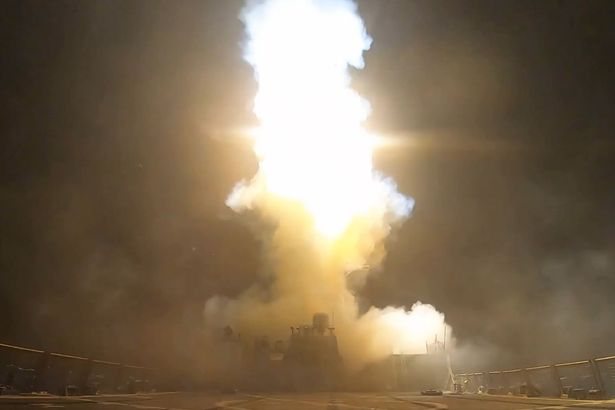
The United States military has launched a fresh wave of strikes against Iranian forces, intensifying the already volatile standoff over the strategic Strait of Hormuz. US Central Command (Centcom) announced on Sunday that the attacks began at 9pm GMT, aimed at further degrading Iran's ability to target civilian mariners and commercial shipping in the vital waterway. The operation marks the latest escalation in a conflict that has seen repeated exchanges of missile and drone fire between the two nations.
Tehran responded swiftly, declaring that the latest US strikes had rendered all diplomatic efforts of the past few months futile. The Iranian government has long warned that any military action against its forces would be met with a robust response, and the new attacks have heightened fears of a broader regional war. The Strait of Hormuz, through which about a fifth of the world's oil passes, has become the focal point of the confrontation, with both sides accusing each other of threatening freedom of navigation.
President Donald Trump, commenting on the strikes, said: "We bombed the hell out of them last night. They are very, very evil and sick people." His remarks underscored the administration's determination to hold Iran accountable for what it describes as persistent aggression against commercial shipping. Centcom stated that the strikes were necessary to protect civilian mariners and ensure the free transit of commercial vessels, a principle the US says is critical to global economic stability.
The latest US action is the third round of strikes this week, following earlier operations on July 11. Each wave has targeted Iranian military assets, including missile batteries, drone launch sites, and naval facilities believed to be involved in attacks on ships. The escalation began after Iran launched attacks on vessels in the Strait of Hormuz, prompting the US to respond with force. The cycle of retaliation has raised alarms among international observers, who warn that the conflict could spiral into a full-scale war with devastating consequences for the region and the global economy.
The Strait of Hormuz, a narrow passage between the Persian Gulf and the Gulf of Oman, is a critical chokepoint for global oil supplies. Any sustained disruption to shipping through the strait could send energy prices soaring and trigger economic turmoil worldwide. The US has positioned additional naval assets in the region, including aircraft carriers and destroyers, to protect commercial traffic and deter further Iranian aggression. Iran, meanwhile, has deployed fast-attack boats, mines, and anti-ship missiles, threatening to close the waterway if its interests are threatened.
Diplomatic efforts to de-escalate the crisis have so far failed. International mediators, including the United Nations and European powers, have attempted to broker a ceasefire, but the latest strikes have undermined those initiatives. Tehran's assertion that diplomacy is now futile suggests that the window for a negotiated settlement may be closing. Analysts say that both sides appear entrenched in their positions, with the US demanding an end to Iranian harassment of shipping and Iran insisting on the lifting of sanctions and recognition of its regional role.
The conflict has also drawn in other regional actors. Israel has expressed support for the US strikes, while some Gulf states have privately voiced concern about the potential for the fighting to spread. Iran has warned that any country hosting US forces could become a target, raising the stakes for neighbouring nations. The humanitarian impact is already being felt, with shipping insurance premiums skyrocketing and some vessels rerouting to avoid the strait, adding costs and delays to global trade.
As the standoff continues, the risk of miscalculation remains high. Both the US and Iran have sophisticated military capabilities, and any accidental engagement could trigger a wider conflagration. The international community is watching closely, with many calling for restraint and a return to dialogue. However, with each new round of strikes, the path to peace appears increasingly uncertain.

85