Sports 5 min read By Bethany Hadley
Trump’s intervention to overturn Balogun red card sparks World Cup controversy
President Donald Trump’s personal lobbying of FIFA to reverse Folarin Balogun’s suspension has drawn sharp criticism from football figures and raised concerns about political interference in the World Cup.
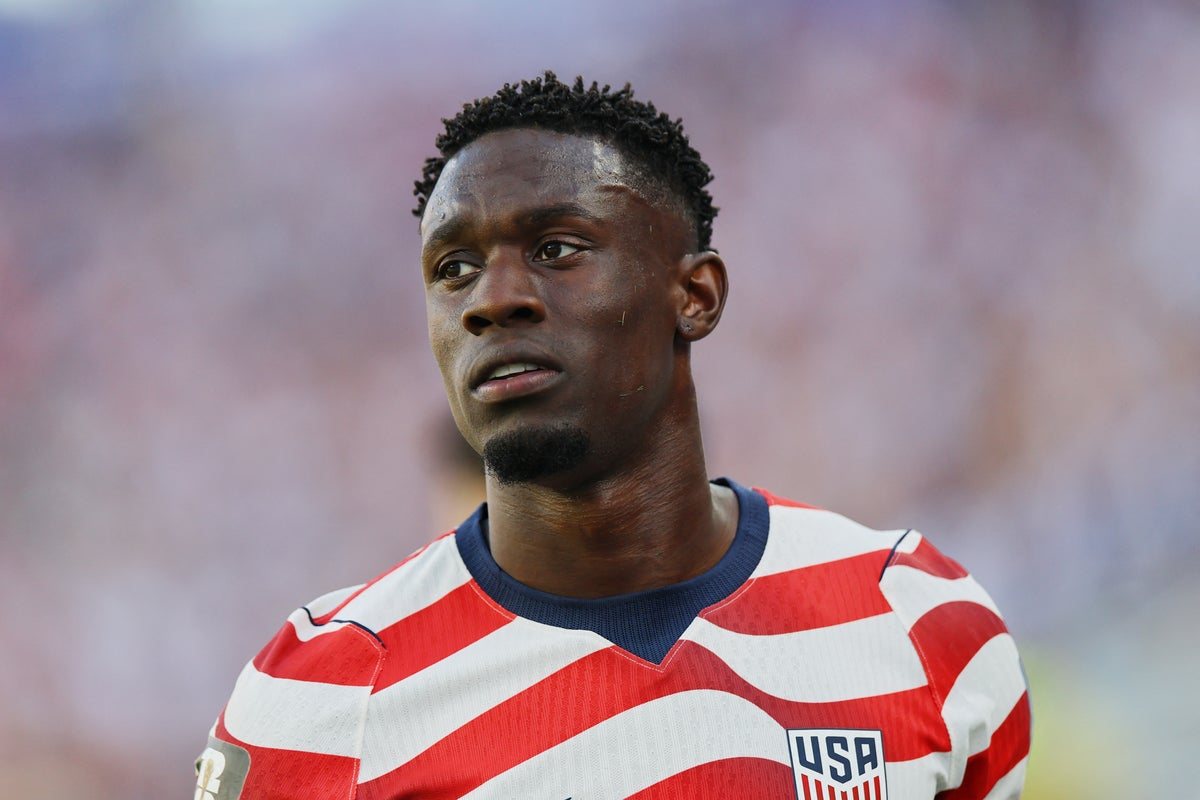
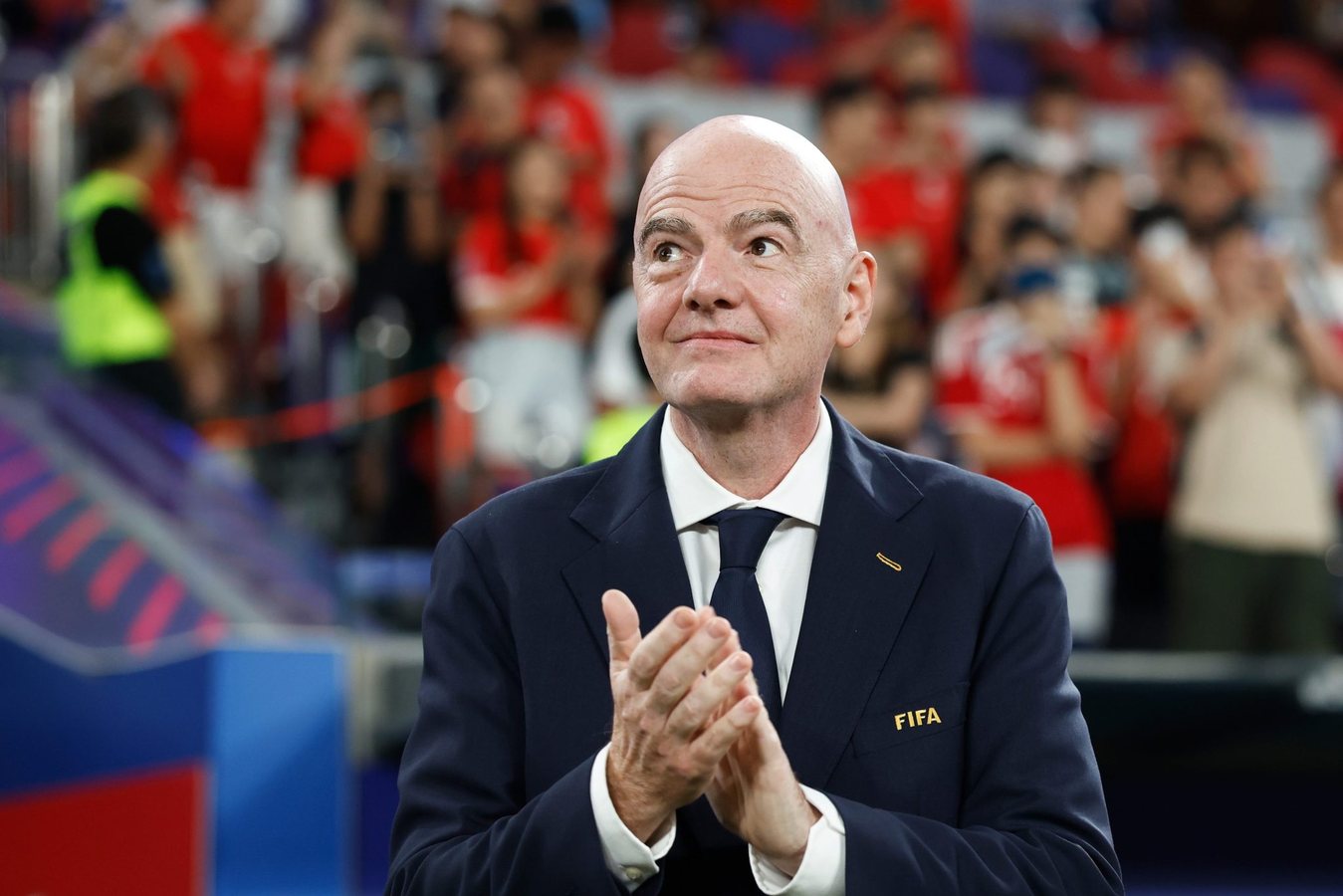
President Donald Trump’s direct intervention to overturn Folarin Balogun’s red card suspension has ignited a fierce debate over political interference in football, with critics arguing that the move undermines the integrity of the World Cup and damages the reputation of the United States as a host nation. Trump personally contacted FIFA President Gianni Infantino to lobby for the reversal of the suspension imposed on the USMNT striker after a straight red card in the round of 16 match against Bosnia. FIFA subsequently annulled the ban, allowing Balogun to play in the quarter-finals.
The decision has been met with widespread condemnation from former players, football officials, and commentators. Wayne Rooney, the former England and Manchester United captain, described the situation as a “disgrace” and said FIFA “should be ashamed” for bowing to political pressure. UEFA, European football’s governing body, waded into the row, stating that FIFA had “crossed a red line” by allowing political lobbying to influence disciplinary decisions. The controversy threatens to overshadow what has been an impressive World Cup campaign for the United States under manager Mauricio Pochettino.
Trump’s involvement has been characterised by some as an unwelcome and undue assertion of power. In a statement, the president thanked FIFA for “reversing a great injustice,” but many observers argue that the intervention sets a dangerous precedent. The Guardian’s Pablo Iglesias Maurer compared the episode to the 1962 World Cup, when the president of Chile reportedly called FIFA to ensure that Brazilian star Garrincha was not suspended for the final. In that instance, the intervention was driven by a desire to keep a talented player on the pitch for the spectacle of the tournament. Trump’s motivation, however, appears to be rooted in political self-interest rather than sporting merit.
The incident has also raised questions about the independence of FIFA’s disciplinary processes. Critics argue that the governing body’s willingness to overturn a legitimate red card decision under pressure from a head of state undermines the rule of law in football. The Professional Footballers’ Association in England has expressed concern, with a spokesperson noting that “decisions on the field should be respected and not overturned by phone calls from politicians.” The US Soccer Federation has declined to comment on the specifics of Trump’s involvement, but sources close to the team have expressed unease about the potential backlash.
Balogun, who has been a key figure for the United States in the tournament, will now be available for the quarter-final clash. However, the controversy has shifted attention away from the team’s achievements on the pitch. The USMNT had been enjoying a strong run, with Pochettino’s tactical acumen and the squad’s collective spirit earning praise from pundits. The Balogun incident threatens to become a distraction, with some fans and analysts questioning whether the team’s progress will now be seen as tainted by political interference.
The broader implications for the United States as a World Cup host are significant. The tournament, which is being co-hosted by the US, Canada, and Mexico, was intended to showcase the growing popularity of football in North America. Trump’s intervention, however, has drawn attention to the politicisation of sport and raised concerns about the independence of FIFA’s decision-making. Some commentators have warned that the episode could harm the US’s reputation as a fair and impartial host, potentially affecting future bids to host major sporting events.
Football figures from around the world have weighed in. In addition to Rooney’s criticism, several former international players have expressed dismay. Gary Lineker, the former England striker and broadcaster, called the decision “deeply troubling” and said it “sets a terrible example for the sport.” The controversy has also reignited debates about the role of politics in football, with some pointing to the 2018 and 2022 World Cups in Russia and Qatar as examples of tournaments overshadowed by political controversies.
For now, the focus remains on the pitch. The United States will face a tough quarter-final opponent, and Balogun’s availability could prove crucial. But the shadow of Trump’s intervention looms large. Whether the team can overcome the distraction and continue their impressive run remains to be seen. What is clear is that the episode has left a stain on what was otherwise a positive story for American football.

79