Sports 6 min read By Bethany Hadley
Trump Praises FIFA Decision to Allow Folarin Balogun to Rejoin US World Cup Squad
US President Donald Trump has praised FIFA's decision to allow striker Folarin Balogun to rejoin the US World Cup squad after his red card suspension was overturned, sparking debate over the intervention.
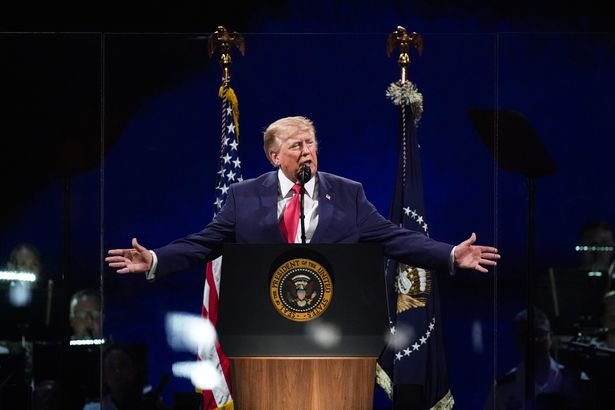
US President Donald Trump has publicly praised FIFA's decision to allow striker Folarin Balogun to rejoin the United States World Cup squad, following a controversial red card that threatened to sideline the forward for a crucial knockout match. The intervention has sent shockwaves through the football world, with critics accusing the sport's governing body of showing favouritism towards the United States.
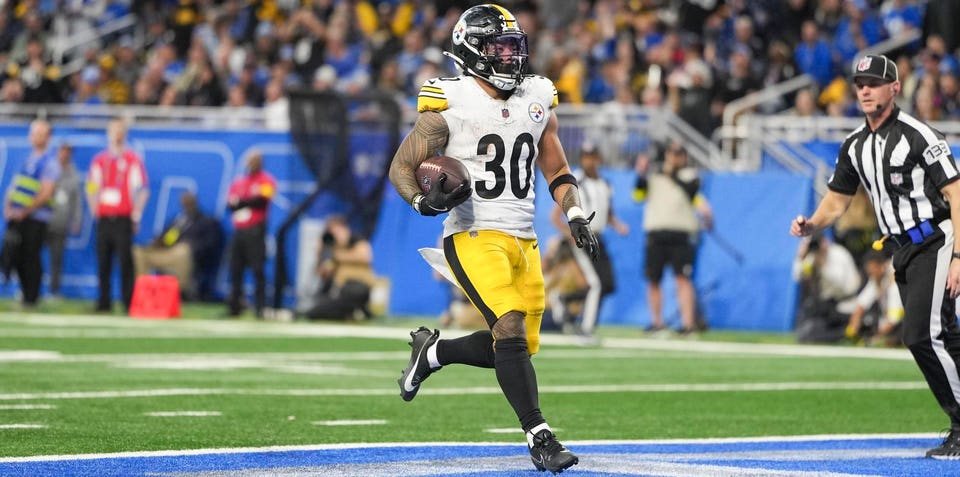
Balogun, who plays his club football for Monaco, was shown a red card during the first knockout round of the World Cup, a decision that initially appeared to rule him out of the subsequent match against Belgium. However, FIFA swiftly overturned the suspension, citing a rarely-used rule that allowed the ban to be deferred. The move cleared the way for Balogun to feature in the high-stakes encounter, a development that Trump described as a victory for fairness.
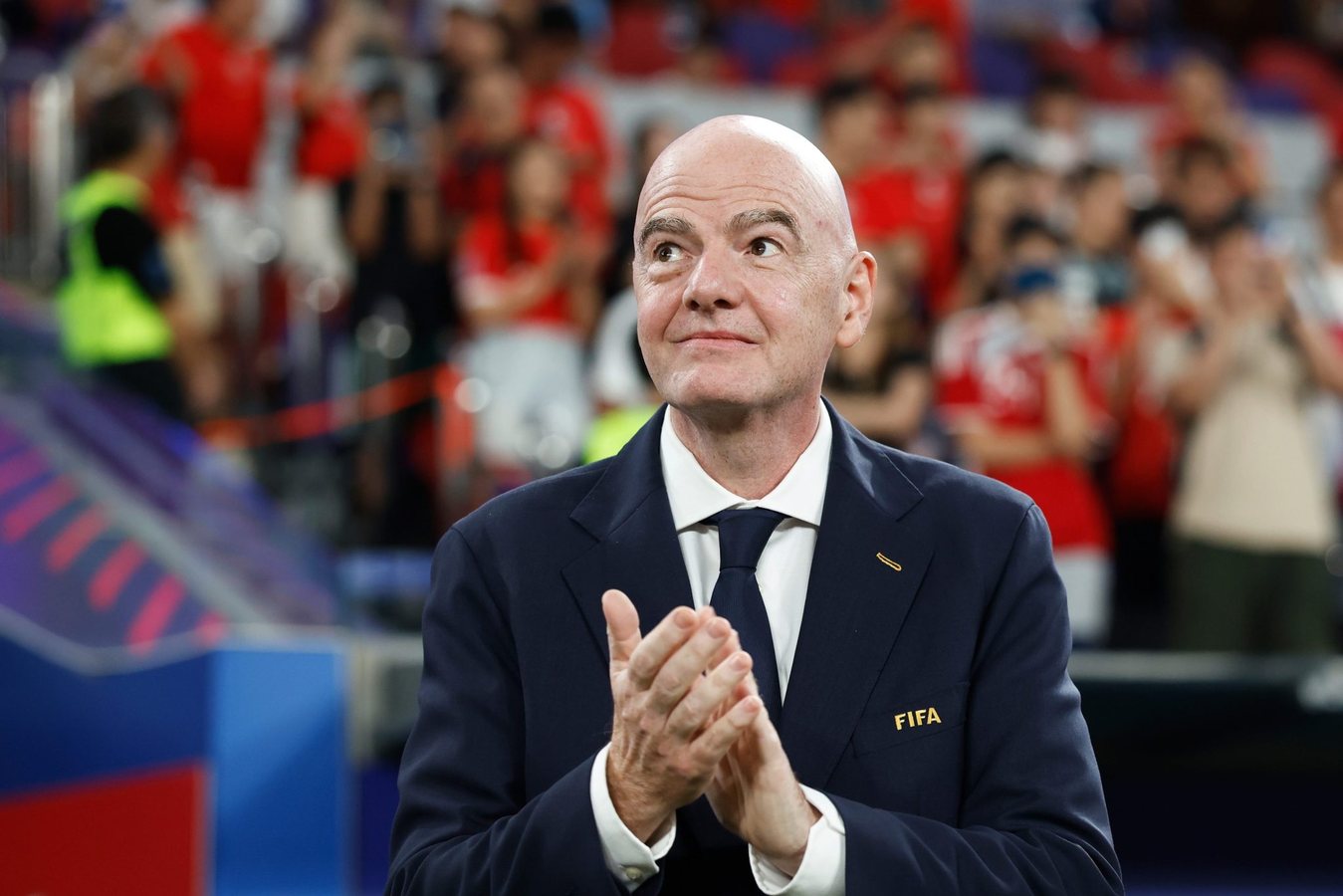
Speaking to reporters, Trump said he was pleased with the outcome and suggested that his administration had played a role in securing the decision. According to sources close to the matter, the US President made an extraordinary phone call to FIFA President Gianni Infantino, urging the organisation to reconsider the ban. The call, which has been described as unprecedented in modern football diplomacy, is believed to have been a key factor in the swift reversal.
The decision has divided opinion across the sport. Supporters of the US team have welcomed Balogun's return, arguing that the original red card was harsh and that the striker should not have been punished for a marginal incident. However, critics have condemned FIFA's intervention, claiming it undermines the integrity of the competition. Prominent football commentator Ian Herbert described the move as a «cesspit» of favouritism, writing that it proved there was «one rule for the US and one for everyone else».
The controversy centres on a specific FIFA regulation that permits a player's suspension to be deferred if the disciplinary committee determines that the red card was not the result of violent conduct or a serious infringement. In Balogun's case, the committee ruled that the dismissal fell into a category that allowed for a postponed ban, meaning the striker could play against Belgium while serving the suspension at a later date. The rule is rarely invoked, and its application in this instance has raised questions about consistency in disciplinary proceedings.
Balogun's red card occurred during a tense knockout match, where the US team was fighting to advance in the tournament. The forward was sent off after a challenge that the referee deemed reckless, though replays suggested the contact was minimal. The US coaching staff immediately appealed, arguing that the decision was excessive. Their case was bolstered by Trump's direct involvement, which added political weight to the sporting appeal.
The incident has reignited debate about the influence of political figures in international sports governance. Trump's phone call to Infantino is not the first time a US leader has intervened in FIFA matters, but it is among the most direct. Critics argue that such interventions set a dangerous precedent, potentially eroding the autonomy of sporting bodies. Supporters counter that the President was simply advocating for a US athlete, a role they see as legitimate.
For Balogun, the focus now returns to the pitch. The striker has been a key figure for the US team throughout the tournament, contributing crucial goals and assists. His availability for the Belgium match was seen as a major boost for the squad, which is aiming to reach the latter stages of the competition for the first time in years. Team officials have declined to comment on the political dimension of the case, instead emphasising their confidence in Balogun's ability to perform under pressure.
FIFA has defended its decision, stating that the disciplinary committee acted independently and in accordance with the rules. A spokesperson said that the process was «thorough and impartial», and that the ruling was based solely on the evidence presented. However, the timing of the reversal — shortly after Trump's call — has led to widespread scepticism, with many observers questioning whether the same outcome would have occurred without presidential pressure.
The episode has also drawn attention to the rarely-used rule itself. Legal experts have noted that the regulation is designed to prevent players from being unfairly punished for minor infractions in high-stakes matches, but its application is subjective. In Balogun's case, the committee determined that the red card did not meet the threshold for violent conduct, allowing the suspension to be deferred. This interpretation has been challenged by some pundits, who argue that the rule is being stretched to accommodate a politically sensitive situation.
As the US team prepares for its next match, the controversy shows no signs of abating. Balogun's return has energised the squad and its supporters, but it has also cast a shadow over the tournament's credibility. For now, the striker will focus on delivering on the field, while the broader debate about the intersection of politics and sport continues to simmer.

81