
Sports 5 min read By Alice Ashford
Spain Defeat Argentina in 2026 World Cup Final
Spain defeated Argentina 1-0 after extra time in the 2026 World Cup final, with Rodri delivering a man-of-the-match performance in midfield. Lionel Messi and his teammates fell short in their bid for a second consecutive title.
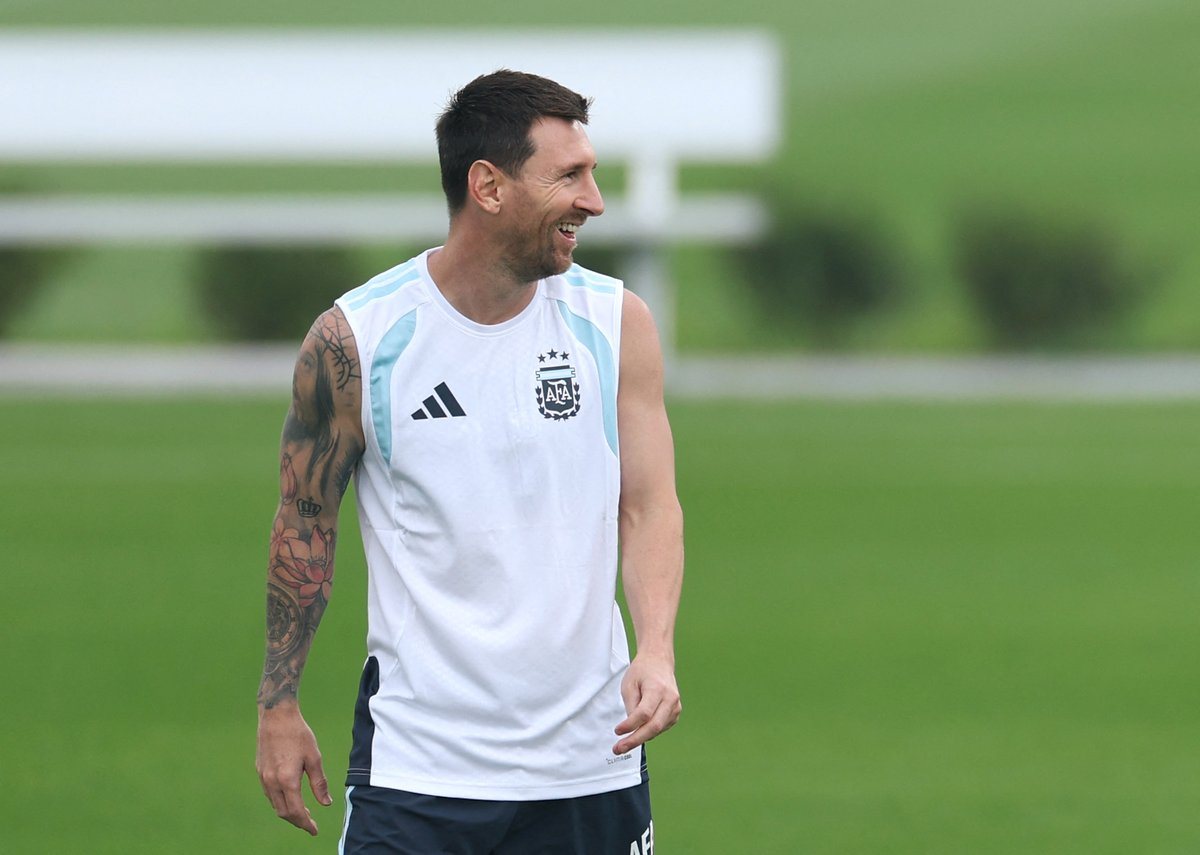
Spain claimed the 2026 FIFA World Cup title with a hard-fought 1-0 victory over Argentina after extra time in a tightly contested final. The match, held at MetLife Stadium in New Jersey, saw Spain dominate possession and create the clearer chances, while Argentina struggled to find their rhythm against a well-organized Spanish defence.
Rodri was the standout performer for Spain, controlling the midfield with his usual composure and precision. The Manchester City midfielder, who had been recovering from an injury earlier in the tournament, looked back to his imperious best, breaking up Argentine attacks and distributing the ball effectively. His performance earned him widespread praise and was instrumental in Spain's victory.
For Argentina, the defeat was a bitter disappointment after their triumph in the 2022 World Cup. Lionel Messi, now 39, was unable to inspire his team to another famous win, as Spain's defence, marshalled by Pau Cubarsí and Unai Simón, kept him largely quiet. Simón, in particular, was alert to clear danger after an early mistake by Cubarsí, and otherwise had a relatively quiet evening as Spain controlled the game.
Enzo Fernández had a day to forget for Argentina, struggling to impose himself in midfield and failing to provide the creative spark that had been key to Argentina's earlier successes. The Chelsea midfielder was substituted late in the second half as Argentina pushed for an equalizer but could not find a way past Spain's resolute backline.
The final was a showcase of tactical discipline and defensive solidity, with both teams cancelling each other out for much of the match. Spain's winning goal came in the 105th minute, when a well-worked move ended with a clinical finish that left Argentina goalkeeper Emiliano Martínez with no chance. The goal sparked wild celebrations among the Spanish players and fans, who had waited 16 years for their country to lift the World Cup again since their 2010 triumph.
The prize money for the winners was substantial, with Spain earning a significant cash sum for their victory. Reports indicated that the total prize fund for the tournament was among the largest in World Cup history, reflecting the global appeal and commercial success of the event. The runners-up, Argentina, also received a considerable payout, but the financial rewards were little consolation for a team that had hoped to defend their title.
The match drew a massive global audience, with fans from around the world tuning in to watch the showdown between two of football's most successful nations. The atmosphere at MetLife Stadium was electric, with thousands of supporters creating a vibrant backdrop for the final. The victory cemented Spain's status as one of the dominant forces in international football, adding to their European Championship successes in recent years.
For Argentina, the focus now shifts to rebuilding for the next cycle, with several key players expected to retire from international duty. Messi's future with the national team remains uncertain, but his legacy as one of the greatest players of all time is already secure. The defeat, while painful, does not diminish the remarkable achievements of this Argentine generation, which includes two Copa América titles and a World Cup victory.
Spain's triumph was celebrated across the country, with fans taking to the streets in Madrid, Barcelona, and other cities to mark the occasion. The team is expected to receive a heroes' welcome upon their return, with a victory parade planned in the capital. The win also boosts the profile of Spanish football, which has seen a resurgence at both club and international level in recent years.
The 2026 World Cup final will be remembered as a classic of tactical football, where Spain's discipline and organization ultimately prevailed over Argentina's individual brilliance. It was a fitting end to a tournament that had provided plenty of drama and excitement, and it sets the stage for an intriguing future in international football.

105