Sports 4 min read By Arthur Ellington
Portugal beat Croatia in controversial finish to reach World Cup last 16
Portugal defeated Croatia 2-1 in a dramatic World Cup match, with a late VAR decision denying Croatia an equaliser. Cristiano Ronaldo scored and was substituted in a game that saw four disallowed goals.
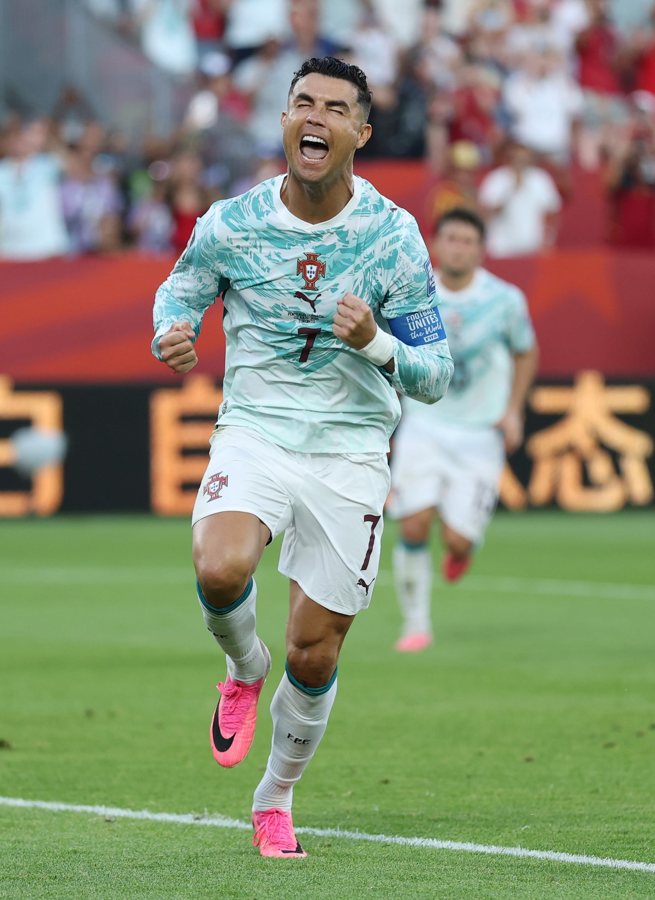
Portugal secured a place in the last 16 of the World Cup with a tense 2-1 victory over Croatia, a match defined by a controversial VAR decision that denied Croatia a stoppage-time equaliser. The result keeps Cristiano Ronaldo's World Cup dreams alive and sets up a high-profile clash with Spain in the next round.
The match at the Estádio do Dragão in Porto was billed as a potential farewell for two footballing icons, but it was Croatia's Luka Modrić, at 40 years old, who left the tournament, while Ronaldo, now 41, continues his quest for a first World Cup title. Both players scored, yet neither was the most influential figure on the pitch, despite Ronaldo being named player of the match in a decision that raised eyebrows.
Croatia took the lead early in the second half through Modrić, who converted a penalty after a handball in the box. The goal seemed to settle the experienced Croatian side, but Portugal responded with urgency. Ronaldo equalised with a powerful header from a cross by Rafael Leão, igniting the home crowd and shifting momentum back to the Portuguese.
The decisive moment came when Gonçalo Ramos flicked Leão's cross into the net, a goal that sent Portugal into the lead and sparked wild celebrations. Leão, who had been under pressure to deliver, dropped to his knees in relief after the ball crossed the line. The goal was initially checked for offside but was allowed to stand after a lengthy VAR review.
In a frantic finale, Croatia thought they had snatched a late equaliser when Josko Gvardiol headed home in the 97th minute. However, after a VAR review, the goal was disallowed for a marginal offside in the build-up, sparking outrage among Croatian players and fans. The decision was the fourth disallowed goal of the match, a World Cup record for a single game, and the cruellest of them all for Croatia, who had fought back valiantly.
The match was a classic World Cup battle, with both teams trading blows and the momentum swinging repeatedly. Portugal's manager praised his team's resilience, while Croatia's coach lamented the fine margins that decided the contest. The result means Portugal will face Spain in the last 16, a fixture that promises to be one of the tournament's standout matches.
After the final whistle, Ronaldo paid an emotional tribute to the late Diogo Jota, a former Portugal international who died in a car accident. The anniversary of Jota's death fell on the day of the match, and Ronaldo dedicated the victory to his memory, saying the team had played with Jota in their hearts. The gesture was widely praised by fans and pundits alike.
For Croatia, the defeat marks the end of an era. Modrić, who has been the heartbeat of the team for over a decade, is expected to retire from international football after this tournament. His performance in the match, including the penalty goal, was a reminder of his enduring class, but it was not enough to extend his World Cup journey.
Portugal now turn their attention to Spain, a team they know well from European competitions. The match is expected to be a tactical battle, with both sides possessing attacking talent and defensive solidity. Ronaldo, who has faced Spain many times in his career, will be key to Portugal's hopes of progressing further in the tournament.
The controversy over the disallowed goal is likely to dominate post-match discussion, with Croatian officials calling for greater consistency in VAR decisions. The incident has reignited debates about the use of technology in football, with some arguing that it has improved fairness while others contend it has introduced new uncertainties. For now, Portugal celebrate a hard-fought win, while Croatia are left to ponder what might have been.

97