Sports 6 min read By Arthur Ellington
Police Chiefs Criticise Late Decision to Extend Pub Hours for England World Cup Match
Police leaders have criticised the government's late decision to allow pubs in England and Wales to stay open until 5am for England's World Cup match against Mexico, warning it will force officers away from communities and extend working hours.
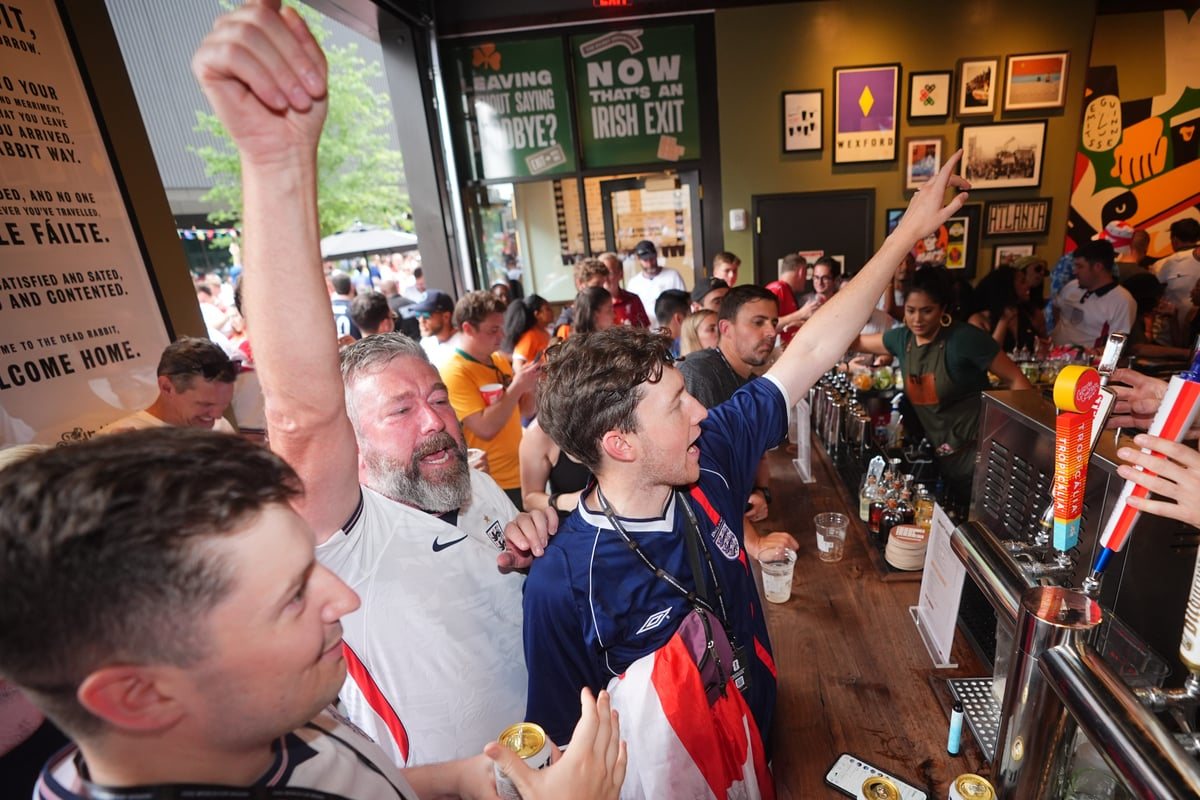
Police leaders have strongly criticised the government's decision to allow pubs in England and Wales to stay open until 5am on Monday for England's World Cup match against Mexico, warning that the late announcement will force officers away from communities and extend their working hours. The move, announced by Downing Street, has drawn sharp rebuke from senior policing figures who say it undermines operational planning and places additional strain on already stretched forces.
Mark Roberts, the National Police Chiefs' Council (NPCC) lead for football policing, and Scott Green, the NPCC lead for alcohol licensing, issued a joint statement expressing their frustration. They described the timing of the decision as «very late» and said it meant forces would have to adapt their plans at short notice, leaving officers working extended hours and potentially diverting resources from other areas. The statement highlighted that the change would take officers «away from communities» at a time when demand for policing is already high.
The match, which kicks off at 10pm on Sunday evening, is a crucial Group L fixture in the 2026 World Cup. England face Mexico in what is expected to be a high-stakes encounter, with both teams vying for progression in the tournament. The government's decision to extend licensing hours until 5am on Monday is intended to allow fans to watch the game in pubs and bars without the pressure of early closing times, but police chiefs argue that the move was announced too late for forces to plan effectively.
The NPCC also appealed directly to England fans, urging them to be considerate to others and to drink «sensibly» during the game. In a statement, the council asked supporters to respect local communities and avoid behaviour that could lead to disorder or require police intervention. The appeal comes amid concerns that late-night drinking, combined with the excitement of a World Cup match, could increase the risk of alcohol-related incidents and place additional burdens on emergency services.
The controversy over pub hours is the latest in a series of tensions between the government and police over major sporting events. Previous World Cups and European Championships have seen similar debates, with police often arguing that extended licensing hours can lead to increased demand for resources, particularly in areas with high concentrations of pubs and bars. Critics of the policy also point to the potential for increased antisocial behaviour, noise complaints, and pressure on NHS accident and emergency departments.
Supporters of the extension, however, argue that it allows fans to enjoy the match in a controlled environment rather than congregating in unlicensed venues or private homes, which can be harder to police. The hospitality industry has also welcomed the move, with many pubs and bars expecting a significant boost in trade during what is typically a quiet period late on a Sunday evening. The British Beer and Pub Association has previously called for greater flexibility in licensing hours during major sporting events, arguing that it benefits both businesses and customers.
The government has defended its decision, stating that it was made in consultation with police and licensing authorities, and that the extension is a one-off measure to allow fans to celebrate responsibly. A Downing Street spokesperson said the government was committed to supporting the hospitality sector and ensuring that fans could enjoy the World Cup safely. However, police chiefs have made it clear that they were not consulted adequately and that the timing of the announcement left them with little room to adjust their operational plans.
The match between England and Mexico is one of the most anticipated of the group stage, with both teams boasting strong squads. England, under manager Gareth Southgate, are looking to build on their recent tournament performances, while Mexico are a perennial threat in international football. The game is expected to attract a large television audience in the UK, with millions of fans expected to watch from home, in pubs, or at fan zones.
As the tournament progresses, the debate over licensing hours is likely to continue, particularly if England advance to later stages. Police chiefs have called for earlier consultation and more predictable decision-making from the government to avoid similar conflicts in future. For now, forces across England and Wales are bracing for a busy night, with officers working extended shifts to ensure public safety while balancing the demands of the match against other policing priorities.

94