Sports 4 min read By Callum Montgomery
Norway coach Solbakken throws water bottle at own staff after England equaliser
Norway head coach Stale Solbakken lost his temper and threw a water bottle at his own backroom staff after Jude Bellingham scored England's equaliser in a World Cup quarter-final, a moment that highlighted the tension of a dramatic match.
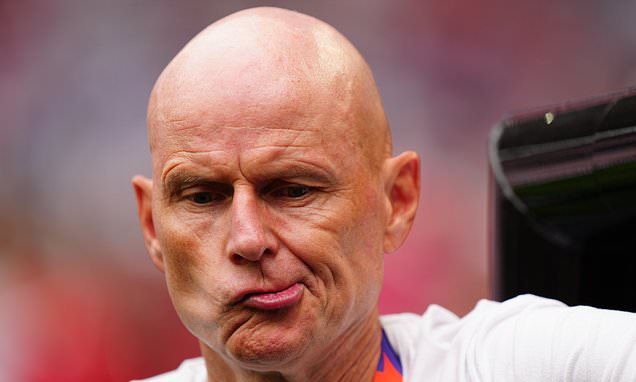
Norway head coach Stale Solbakken lost his composure during a World Cup quarter-final against England, launching a water bottle at his own backroom staff after Jude Bellingham scored the equaliser. The incident, captured by television cameras, occurred as the England midfielder struck his fifth goal of the tournament, levelling the score at a critical moment in the match at Miami Stadium.
Solbakken, visibly frustrated, turned and hurled the bottle toward his bench, striking a member of his own coaching team. The gesture underscored the high stakes of the encounter, with Norway having taken an early lead before Bellingham's intervention shifted momentum. England eventually secured a 2-1 victory, advancing to the semi-finals and ending Norway's campaign.
The Norwegian coach later broke down in tears during a post-match interview, reflecting on the emotional toll of the defeat. Speaking to reporters, Solbakken struggled to contain his emotions as he discussed his team's performance and the disappointment of exiting the tournament at the quarter-final stage. The moment resonated with fans and pundits alike, highlighting the pressure faced by managers in high-profile international fixtures.
Controversy also surrounded Bellingham's equaliser, with some Norway fans and commentators questioning whether the goal should have stood. Reports suggested that the ball may have struck a camera cable suspended above the pitch before reaching Bellingham, potentially altering its trajectory. However, match officials allowed the goal to stand, and no formal complaint was lodged by the Norwegian Football Federation. The incident added a layer of debate to an already tense match, though England's victory was ultimately confirmed on the scoreboard.
England manager Thomas Tuchel, meanwhile, faced his own scrutiny after the match. In a tense interview with ITV, Tuchel clashed with a reporter who questioned whether his team had been fortunate to progress. The German coach defended his side's performance, insisting that their quality and resilience had earned the win. Bellingham, who scored the decisive goal, also responded to the criticism with a dismissive remark, further fueling the post-match narrative.
Norway's exit marks the end of a promising World Cup run that saw them defeat several strong opponents. Solbakken, who has been at the helm since 2020, has built a competitive squad around key players, but the quarter-final loss exposed vulnerabilities that England exploited. The team will now turn their attention to qualifying for the next major tournament, with Solbakken expected to remain in charge despite the emotional aftermath of the defeat.
The match itself was a gripping contest, with Norway taking the lead through a well-worked goal before England responded with characteristic determination. Bellingham's equaliser came from a swift counter-attack, showcasing his ability to perform under pressure. England's second goal, scored later in the second half, sealed the victory and set up a semi-final clash with another top-tier nation.
For Solbakken, the water bottle incident may serve as a reminder of the fine margins that define top-level football. While his reaction was uncharacteristic, it reflected the passion and investment he brings to his role. Norway's players and staff have publicly supported their coach, acknowledging the emotional weight of the defeat and the challenges of competing against a team of England's calibre.
As the World Cup continues, England will look to build on their momentum, while Norway will regroup and plan for the future. The controversy over Bellingham's goal is likely to fade, but the image of Solbakken's frustration will remain a memorable footnote in a tournament defined by dramatic moments and high emotions.

127