Sports 7 min read By Callum Montgomery
Liverpool’s Monaco collapse turns preseason depth into a live problem
A 2-0 lead became a 3-2 defeat as Liverpool’s intensity fell after rotation, giving Iraola an early test of squad depth before competitive football begins.
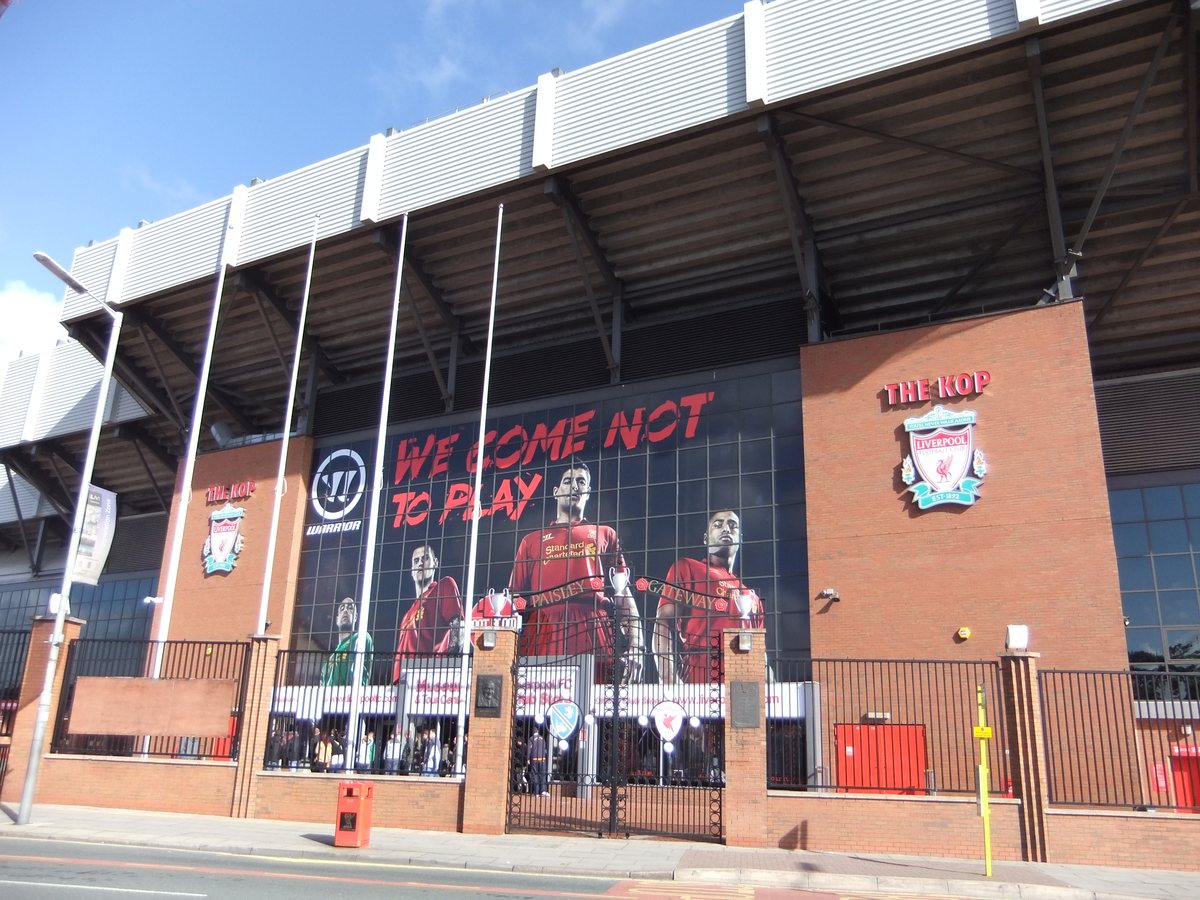
Liverpool’s 3-2 defeat to Monaco was officially a preseason friendly, but it exposed a question with real operational consequences: how much of Andoni Iraola’s football survives when the first-choice unit leaves the pitch? Liverpool raced to a 2-0 lead at Anfield, then lost control after changes and conceded three unanswered goals.
The opening half hour looked like a functioning high-performance system. Alexander Isak scored in the 16th minute and Florian Wirtz added a second in the 29th. Liverpool pressed with coordination, attacked quickly and made Monaco defend closer to their own goal. The football was not simply attractive; it suggested that Iraola’s preferred intensity can generate repeatable advantages when the right personnel are synchronized.
The first disruption came just before halftime. Virgil van Dijk fouled Aleksandr Golovin in the area, and Golovin converted the penalty in the 44th minute. The score became 2-1, reducing Liverpool’s margin for experimentation after the interval. In a competitive game, the risk calculus might have been different. In preseason, the need to distribute minutes remained more important than protecting a lead.
That is where the underlying issue appeared. Both managers rotated heavily, but Monaco improved relative to Liverpool. Mika Biereth equalized in the 56th minute after following up a saved shot. As the second half progressed, the visitors found more space, while Liverpool’s pressing triggers and defensive distances became less reliable.
Paris Brunner completed the turnaround in the 88th minute with a header from a corner. The late set-piece goal made the final score 3-2 and turned what had been an encouraging first half into Liverpool’s second consecutive preseason defeat after holding a 2-0 advantage. Leeds had produced the same reversal in Chicago, winning 4-2.
Iraola’s public explanation was revealing. He focused on the inability to maintain the early level after substitutions and on players tiring. This matters because the new coach’s model is resource-intensive. High pressure only works if every line moves together. A small drop in timing can produce a large increase in the space opponents have to exploit. The tactical concept therefore places a premium on both conditioning and squad profile.
For a club operating at Liverpool’s scale, depth is not simply a sporting luxury. It is a way of protecting the value of the entire competitive plan. A season that includes multiple competitions demands rotation; injuries make it unavoidable. If the system deteriorates sharply whenever several starters are removed, the club either has to improve the reserves within the model or reconsider how aggressively it asks the team to play across 90 minutes.
Monaco provided a useful contrast. Filipe Luís was appointed in July and is using a six-day England camp to evaluate his squad. The visitors’ second-half changes increased rather than reduced their competitiveness. Brunner’s late winner is particularly useful for a coach because it came from a player trying to convert preseason opportunities into a larger role.
The wider context is that both clubs are using the same friendly for different forms of organizational learning. Liverpool can see that its premium attacking pieces are capable of executing the plan; Monaco can see that its rotation options can change a game. Neither conclusion guarantees anything once league matches begin, but both are more valuable than the scoreline alone.
Liverpool host Como 1907 on August 16 in their next Anfield fixture. The key measure will be continuity. If the second group can reproduce the first group’s pressure, spacing and reaction to turnovers, the Monaco loss will look like a useful early stress test. If the same drop repeats, squad depth will stop being a preseason talking point and become one of Iraola’s first management problems.
There is a governance lesson in how clubs should read friendlies. A 3-2 score can trigger transfer speculation, but management should separate short-term physical conditioning from structural roster deficiencies. If players simply lack match fitness, time and training can solve the problem. If the substitutes do not fit the tactical roles, the solution becomes more expensive and more strategic.
The Monaco match gives Liverpool a data point rather than a verdict. The value lies in comparing it with Leeds and then Como. Repeated problems across several lineups would make the signal stronger. Improvement under similar conditions would suggest the staff is successfully teaching the model. That is a more rational framework than treating every friendly as a referendum on recruitment.
Monaco’s outcome is valuable for the same reason. Filipe Luís now has evidence that later entrants can change the competitive direction of a match. That raises internal competition and gives the coach more flexibility. In squad management, optionality matters: a bench that can alter tempo or solve a specific game state reduces dependence on the preferred starting XI.
Liverpool’s first 30 minutes also show why there is no reason for panic. The high-value attacking core worked. Isak and Wirtz gave the team goals and threat. The organizational challenge is to make that quality resilient. A good system should amplify elite talent when it is available and protect performance when some of that talent is resting.
The next week therefore has a clear management objective. Liverpool do not need to chase a prettier preseason record; they need to reduce the performance gap between units. If that happens, the 3-2 loss will have served as a useful stress test. If it does not, the depth question will deserve attention beyond the training ground.

52