Sports 5 min read By Arthur Ellington
Lionel Messi told World Cup referee «don't be disrespectful» in heated exchange
New details have emerged of an unusual exchange between Lionel Messi and the referee during Argentina's World Cup run, as scrutiny intensifies over officiating decisions that some have labelled favourable to the eventual champions.
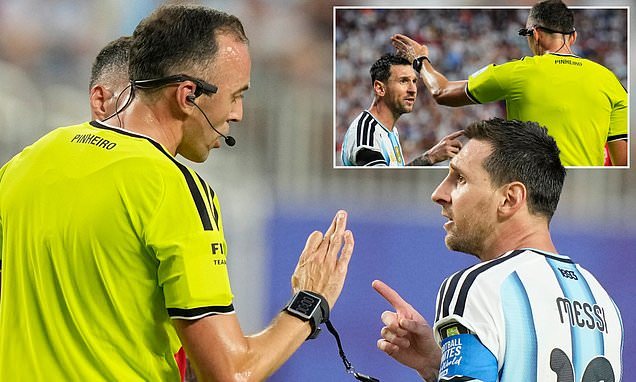
Lionel Messi told a World Cup referee «don't be disrespectful — speak to me respectfully» during a tense on-field exchange, newly revealed details show, as officials face renewed scrutiny over Argentina's path to the semi-finals. The incident, which occurred during the knockout stages, has added to a growing debate about the standard of officiating in the tournament and whether the eventual champions benefited from questionable decisions.
The exchange, reported by multiple sources, saw the Argentina captain confront the match official after a decision went against his side. According to accounts from the game, Messi approached the referee and insisted on being addressed with proper respect, a remark that was captured by pitchside microphones. The referee did not issue a card or formal warning at the time, a decision that has since been questioned by analysts and former officials.
Argentina went on to win the World Cup, but their run to the semi-finals was marked by several contentious refereeing calls. Opponents and neutral observers have pointed to a penalty awarded in the quarter-final, a red card not given in the group stage, and the handling of time-wasting and fouls as examples of what they describe as favourable treatment. The newly revealed Messi exchange has intensified those claims, with some commentators suggesting that the referee showed undue deference to one of the game's biggest stars.
Messi, widely regarded as one of the greatest footballers of all time, has a history of intense interactions with officials. During his career at Barcelona and Paris Saint-Germain, he has occasionally been seen arguing decisions, but this World Cup incident stands out for the directness of his demand for respect. The referee involved has not commented publicly on the exchange, and FIFA has not announced any review of the incident.
The controversy comes at a time when the use of technology and video assistant referees (VAR) is under scrutiny. Critics argue that despite the availability of replays and communication systems, inconsistencies in decision-making persist. Supporters of the current system point out that human error is inevitable and that VAR has reduced the number of clear mistakes. However, the Messi exchange highlights the subjective nature of referee-player interactions, where reputation and status can influence how incidents are managed.
Argentina's World Cup victory was celebrated as a triumph for Messi and his teammates, but the debate over officiating has cast a shadow over their achievement. Some fans and pundits have called for greater transparency, including the release of full audio recordings between referees and VAR officials during matches. FIFA has resisted such calls, citing the need to protect the integrity of the game and the privacy of officials.
The incident also raises questions about the training and support provided to referees at the highest level. Former referees have noted that managing star players requires a combination of firmness and diplomacy, and that the pressure of a World Cup can lead to moments of tension. The Messi exchange is seen by some as a case study in how not to handle a confrontation, while others argue that the referee acted correctly by not escalating the situation.
As the football world looks ahead to the next World Cup, the debate over officiating standards is unlikely to fade. The Messi exchange has become a symbol of the challenges faced by referees when dealing with elite players, and the fine line between maintaining authority and allowing the game to flow. Whether FIFA will take any action or introduce new guidelines remains to be seen, but the incident has ensured that the spotlight on refereeing will remain bright.
For now, the focus is on the legacy of Argentina's victory and the role that officiating played in their journey. While Messi's talent and leadership were undeniable, the questions raised by the exchange with the referee will linger, adding a layer of complexity to an otherwise celebrated achievement.

79