Sports 4 min read By Callum Montgomery
FIFA opens investigation into Argentina players after World Cup final brawl
FIFA has launched a disciplinary investigation into violent post-match scenes involving Argentina players after Spain won the 2026 World Cup final, with Argentine media pointing to a supposed provocation by Spain captain Rodri before Nahuel Molina punched him.
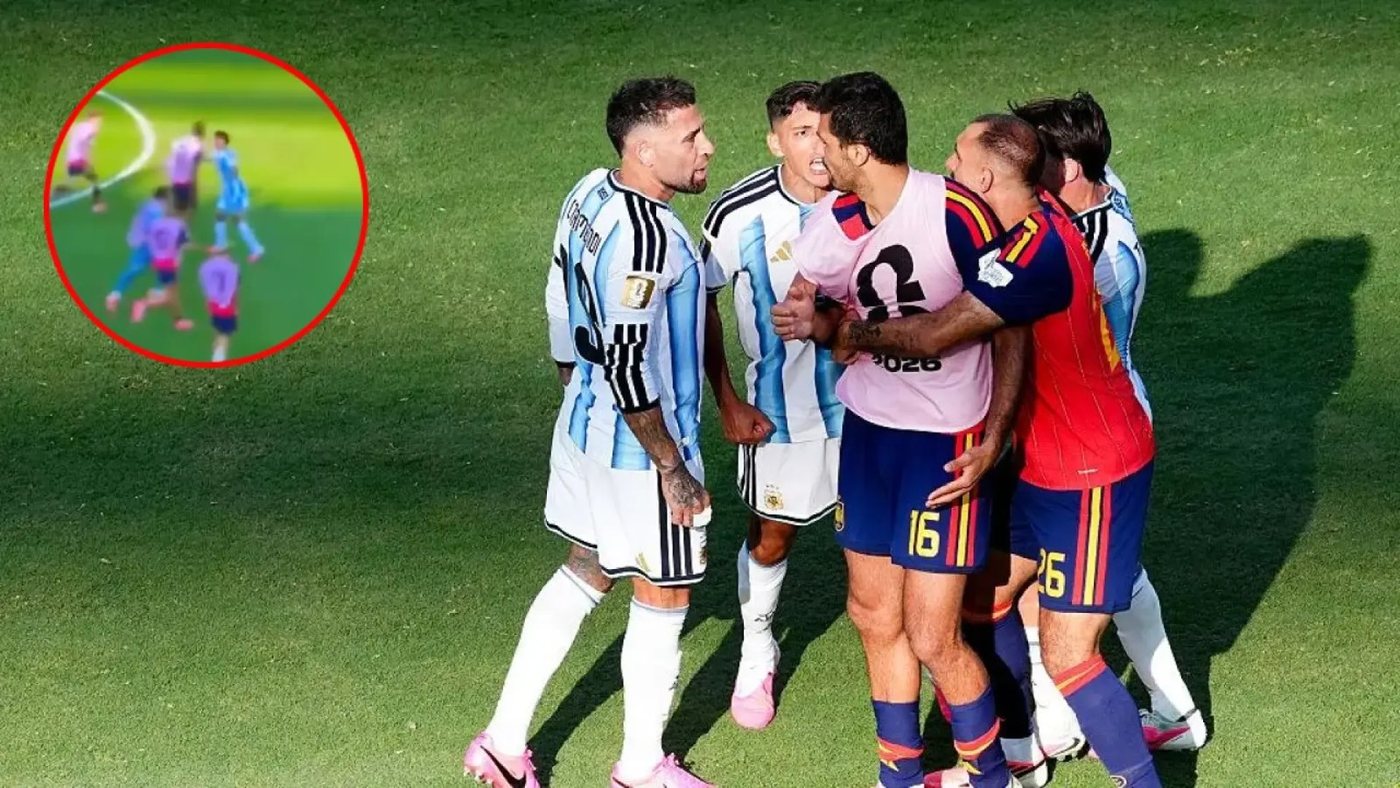
FIFA has opened a disciplinary investigation into the ugly post-match scenes that marred the 2026 World Cup final, after several Argentina players attacked Spanish footballers celebrating their victory. The world governing body has appointed an instructor to examine the incidents, which included a punch thrown at Spain captain Rodri and a red-card altercation involving Leandro Paredes.
The trouble erupted immediately after the final whistle at MetLife Stadium in New Jersey, when Spain secured a 1-0 win thanks to a goal from Ferran Torres. As the Spanish players began to celebrate their title, Argentina defender Nahuel Molina punched Rodri, the tournament's Ballon d'Or winner, in the torso. Video footage shows Rodri turning to confront Molina, sparking a mass brawl that drew in players from both sides.
Argentine sports daily Olé downplayed the punch, describing it as a «short blow» amid the celebrations, and suggested Rodri had provoked the incident with a «supposed taunt». However, the incident escalated rapidly. Leandro Paredes was sent off after grabbing Spain's Eric García by the neck and throwing Gavi to the ground. Argentina assistant coach Roberto Ayala also struck Spain's Dani Olmo during the melee.
FIFA will review match officials' reports and broadcast footage before deciding whether to impose sanctions on the Argentina players involved. The investigation covers all incidents that occurred after the final whistle, including the physical altercations and the red card shown to Paredes. The governing body has not set a timeline for its decision but is expected to act swiftly given the high-profile nature of the final.
The ugly scenes have drawn widespread condemnation. The Guardian described the final as descending into «gangs of New Jersey» territory, while the BBC reported that FIFA was «appalled» by the behaviour. ESPN noted that the clash was one of the most violent seen in a World Cup final in recent decades. The incident has also reignited debate about player conduct and the need for stricter enforcement of disciplinary rules in major tournaments.
Argentina's behaviour during the match itself was also criticised. The Albiceleste were described as «extremely rough» throughout the game, with several fouls going unpunished. Spain's victory was hard-fought, and the celebrations were short-lived as the brawl broke out. The image of the Argentina team turning their backs and refusing to watch Spain lift the trophy has also been widely shared on social media, adding to the controversy.
For Spain, the victory marks their second World Cup title, following their 2010 triumph in South Africa. Rodri, who was named the tournament's best player, has not commented publicly on the incident. The Spanish federation has called for calm and urged FIFA to take appropriate action. The investigation is expected to conclude within weeks, with potential suspensions for the players involved.
The incident has also raised questions about security at the final. While no fans were involved in the violence, the fact that players and coaching staff were able to engage in physical altercations on the pitch has led to calls for better stewarding and separation protocols after matches. FIFA has not commented on security arrangements but is likely to review them as part of its broader investigation.

106