
Sports 4 min read By Alice Ashford
FIBA 3x3 Basketball's Journey From Youth Experiment to Olympic Sport
FIBA 3x3 basketball has grown from a Youth Olympic experiment into a global sport, driven by gender equity, digital engagement and a spectator-first approach ahead of its LA28 Olympic debut.
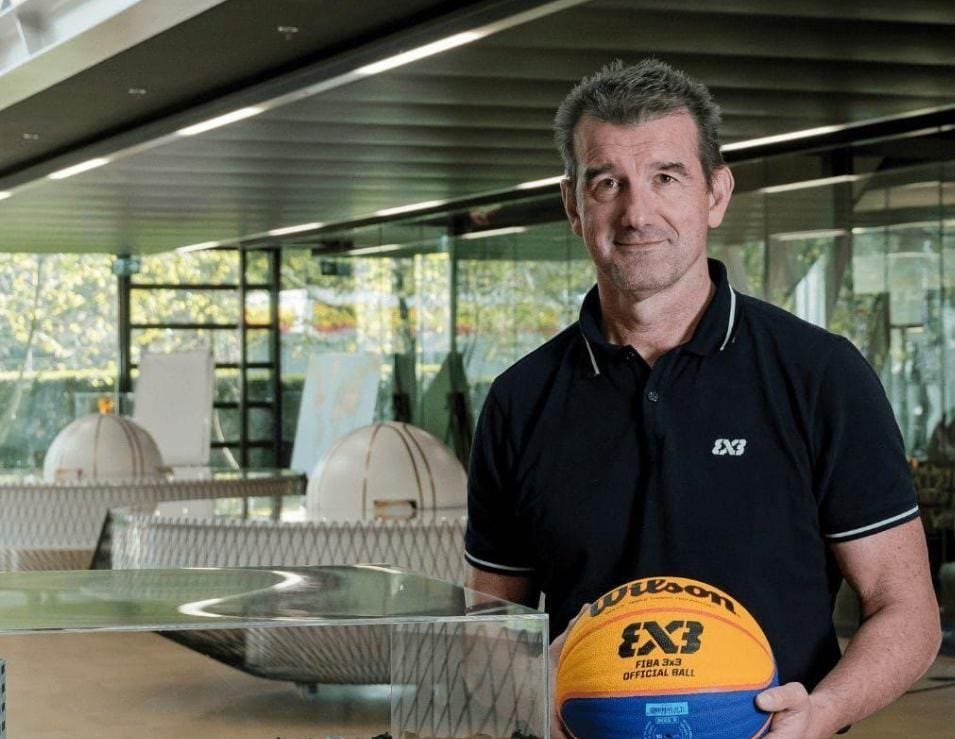
FIBA 3x3 basketball has completed a remarkable transformation from a Youth Olympic experiment to a fully fledged Olympic sport, with its inclusion at the Los Angeles 2028 Games marking the culmination of a deliberate strategy built around gender equity, digital engagement and a spectator-first philosophy.
The half-court format, which features two teams of three players competing on a single basket, was first introduced to the Olympic programme as a demonstration event at the 2010 Youth Olympic Games in Singapore. Its success there paved the way for full medal status at the Tokyo 2020 Olympics, where it made its official debut. The sport's journey to LA28 represents a rare case of a new discipline being added to the Olympic roster and then retained, a sign of its growing commercial and cultural appeal.
Central to the sport's rise has been its commitment to gender equity. From its earliest days as an Olympic discipline, FIBA 3x3 has featured equal numbers of men's and women's teams, a rarity in the Olympic movement. The mixed-gender nature of the format, along with its fast-paced, high-scoring games, has helped attract a younger and more diverse audience than traditional five-a-side basketball. This approach aligns with the International Olympic Committee's broader push for gender-balanced events and urban sports that resonate with younger viewers.
Digital engagement has been another pillar of the strategy. FIBA has invested heavily in streaming, social media and interactive platforms to bring 3x3 to fans who consume sport primarily through mobile devices. The sport's short game duration — typically ten minutes or the first team to 21 points — makes it ideally suited to highlight reels and live-streamed content. This has allowed FIBA to build a global following without relying solely on traditional broadcast deals, a model that has proven attractive to sponsors and host cities alike.
The spectator-first approach extends to the event experience. 3x3 tournaments are often staged in urban locations, with music, entertainment and a festival atmosphere that differs sharply from the arena-based presentation of conventional basketball. This has made the sport a popular addition to major multi-sport events, including the Commonwealth Games and the Asian Games, and has helped it gain traction in markets where basketball infrastructure is less developed.
Ahead of LA28, FIBA is expected to build on the momentum generated by the Tokyo and Paris Olympics. The sport's inclusion in Los Angeles offers a significant opportunity to expand its footprint in the United States, where the NBA has long dominated the basketball landscape. The shorter, more accessible format could appeal to American fans looking for a quicker, more dynamic version of the game, while also providing a platform for emerging players from around the world.
However, challenges remain. The sport must continue to professionalise its circuits, attract consistent sponsorship and ensure that its top athletes can earn a viable living from competition. FIBA has been working to expand its 3x3 World Tour and increase prize money, but the sport still lags behind established basketball leagues in terms of financial rewards. Balancing commercial growth with the grassroots, community-oriented ethos that helped it gain Olympic status will be a key test in the coming years.
For now, the trajectory is clear. What began as a business case for a more flexible, urban-friendly form of basketball has become a permanent fixture on the Olympic stage. With LA28 on the horizon, FIBA 3x3 is poised to demonstrate that its model of gender equity, digital innovation and spectator engagement can deliver both sporting credibility and commercial success.

6