Sports 4 min read By Callum Montgomery
England fans leave work early as Three Lions face DR Congo in World Cup knockout
England fans across the country left work early or headed to pubs to watch the Three Lions take on DR Congo in their first knockout match of the World Cup, with rush hour beginning earlier than usual as supporters gathered to cheer on Thomas Tuchel's side.
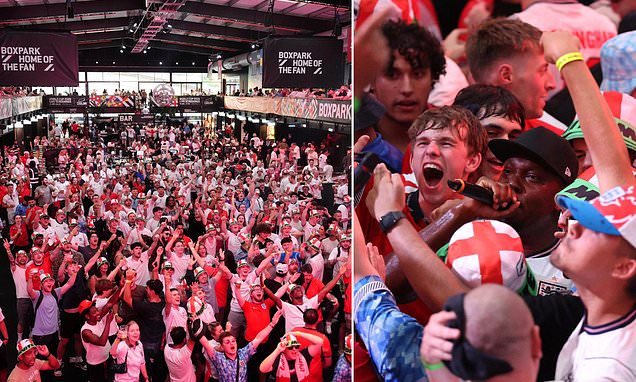
England fans across the country abandoned their desks early on Monday as the Three Lions faced DR Congo in their first knockout match of the World Cup, prompting an unusually early rush hour as supporters headed home or to pubs to watch the crucial fixture. The match, which kicked off in the afternoon, saw Thomas Tuchel's side recover from an early setback to secure a 2-1 victory, with captain Harry Kane scoring a brace to send England into the last 16.
The scenes of mass absenteeism and early departures from workplaces mirrored previous major tournament moments, as fans prioritised the national team's progress over their daily routines. Pubs and bars reported brisk trade from midday, with many venues showing the game on large screens and offering special deals to attract customers. Transport networks also experienced a noticeable shift in passenger patterns, with commuter trains and roads busier than usual in the early afternoon as fans made their way to viewing locations.
Harry Kane was the hero of the afternoon, scoring twice to overturn an early deficit and rescue England from what could have been one of the biggest upsets in the tournament's history. The England captain's first goal came from a well-worked team move, while his second, a composed finish under pressure, sparked wild celebrations among the travelling support and fans watching back home. His performance drew praise from manager Thomas Tuchel, who described Kane's contribution as decisive and highlighted the striker's leadership qualities in a high-stakes encounter.
The match itself was a tense affair, with DR Congo taking an early lead that silenced much of the England-supporting crowd. The African side, appearing in their first knockout stage match at this level, showed discipline and organisation, making life difficult for the Three Lions. However, England's resilience and Kane's clinical finishing ultimately proved the difference, as the team avoided an early exit and kept their World Cup hopes alive.
Celebrations erupted across the country as the final whistle confirmed England's progression. In London, Manchester, Birmingham, and other major cities, fans gathered in public squares, pubs, and fan zones to chant and sing, with many waving St George's flags. Social media was flooded with videos of jubilant supporters, while the players' families, including the WAGs, were seen rushing to congratulate the squad after the final whistle. The victory sets up a last-16 tie, with England now awaiting their next opponent as the tournament progresses.
The early rush hour and mass absenteeism have become a recurring feature of England's World Cup campaigns, with businesses often reporting lower productivity on match days. Some employers have embraced the phenomenon, allowing staff to work flexible hours or watch the game in the office. Others have faced criticism for refusing to accommodate fans, though the economic impact of such events is typically short-lived. For now, the focus remains on the team's performance and the growing sense of optimism among supporters that this could be a memorable tournament for the Three Lions.

89