Sports 5 min read By Arthur Ellington
Councils to Decide on Late-Night Pub Opening for England-Mexico World Cup Match
Local councils in England will decide whether pubs can stay open late for the 1am kick-off of the World Cup Round of 16 match against Mexico, as the government considers licensing flexibility.
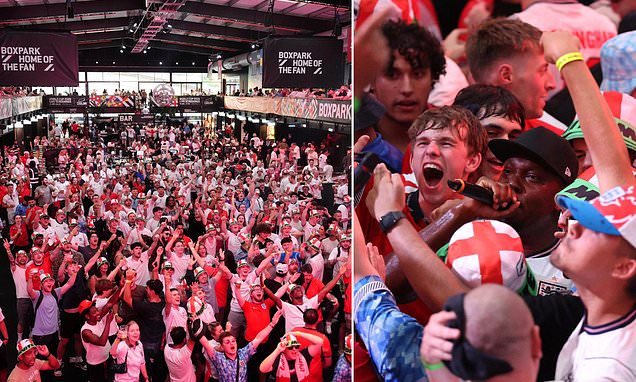
Local councils across England are set to decide whether pubs can remain open beyond standard licensing hours for the country’s upcoming World Cup Round of 16 match against Mexico, which kicks off at 1am UK time on Monday. The decision follows England’s 2-1 victory over the Democratic Republic of the Congo on Wednesday evening, which secured their place in the next stage of the tournament.
The match against Mexico, scheduled for the early hours of Monday morning, falls outside the usual operating hours for most licensed premises in England and Wales. Under current licensing laws, pubs and bars typically close by 11pm or midnight, though many have the option to apply for temporary event notices or variations to their licences to extend opening hours for special occasions.
The government has indicated that it will not impose a blanket national relaxation of licensing laws for the fixture, leaving the decision to individual local authorities. This approach mirrors previous World Cup and major sporting events, where councils have been given discretion to grant late-night extensions based on local circumstances, including the potential for noise disturbance and public order concerns.
Prime Minister Sir Keir Starmer has been involved in discussions about how to accommodate fans wishing to watch the match in pubs and bars. Reports suggest that Downing Street is considering steps to facilitate late-night openings, but no nationwide directive has been issued. The government’s position appears to be that councils are best placed to assess the impact on their communities.
The match has generated significant public interest, with 16.3 million viewers tuning in to watch England’s victory over the Democratic Republic of the Congo. The Round of 16 tie against Mexico is expected to attract even larger audiences, given the stakes and the unusual kick-off time. Fans who prefer to watch at home or in other settings will also have the option to stay up late, but the early morning start has prompted calls for flexibility in licensing rules.
Thomas Tuchel, England’s head coach, has urged parents to allow their children to stay up and watch the match, even suggesting that schools should be lenient about attendance the following day. However, Education Minister Jacqui Smith has rejected the idea of a national day off, instead recommending that families consider a “disco nap” on Sunday evening to ensure everyone is fresh for school and work on Monday. The government has made clear that children are expected to attend school as usual, regardless of the match timing.
The licensing decision is not the only logistical challenge posed by the fixture. Transport providers, including train operators and bus services, are also assessing whether to run additional services to help fans get home after the match. Some night bus routes and limited rail services may be available, but fans are advised to check local schedules in advance.
For pub landlords, the prospect of a late-night opening presents both an opportunity and a challenge. While the match is likely to draw large crowds, extending hours requires additional staffing, security, and compliance with licensing conditions. Many pubs have already begun applying for temporary licences, but the outcome will depend on the willingness of local councils to grant them.
The match against Mexico is one of the most anticipated fixtures of the tournament so far, with England aiming to progress to the quarter-finals. The team’s performance against the Democratic Republic of the Congo was described as hard-fought, and fans will be hoping for a similar display against a strong Mexican side. The early kick-off time has added an extra layer of complexity for supporters, but the government and local authorities are working to ensure that those who wish to watch the game in a pub or bar can do so, subject to local approval.
As the weekend approaches, councils will be making their decisions, and pubs will be updating their customers on opening hours. Fans are encouraged to check with their local venues in advance to avoid disappointment. The government has stressed that public safety remains a priority, and any extensions will be granted only where they can be managed responsibly.

95