
Sports 5 min read By Arthur Ellington
Belgium players mock Donald Trump with goal celebrations after USA World Cup exit
Belgium defeated the USA 4-1 in the World Cup round of 16, with players celebrating by mimicking Donald Trump's trademark gestures in a pointed response to his intervention to overturn a red card for US striker Folarin Balogun before the match.
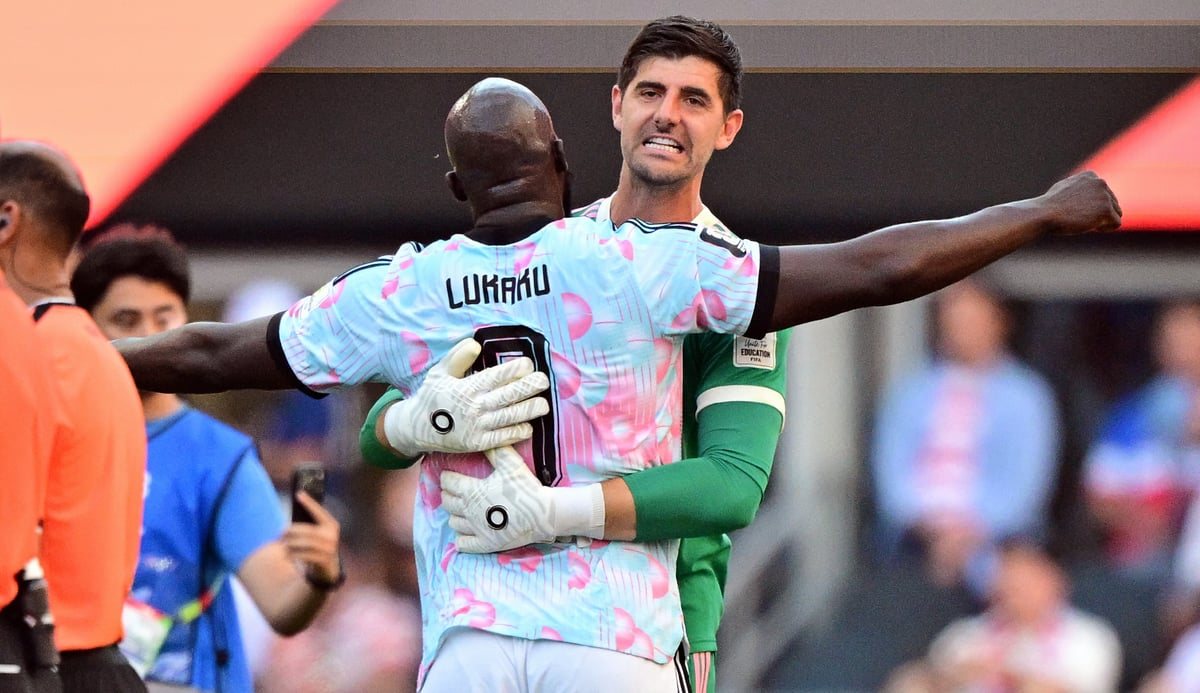
Belgium emphatically knocked the United States out of the World Cup with a 4-1 victory in the round of 16, and the celebrations that followed carried a pointed political message. Belgian players, including striker Romelu Lukaku, were seen mimicking Donald Trump's trademark gestures after the final whistle, in what appeared to be a direct response to the US president's intervention before the match.
The controversy began when Trump personally appealed to FIFA to overturn a red card that had been issued to US striker Folarin Balogun during the group stage. The ban was subsequently rescinded, allowing Balogun to play against Belgium. The decision sparked widespread criticism, with many accusing the US president of using his political influence to interfere in sporting matters.
Belgium's reaction on the pitch was unambiguous. After sealing the win, several players gathered in front of the American supporters and performed gestures associated with Trump, including the signature hand wave and a clenched fist. One player was heard shouting «overturn this» in the direction of the US bench, a clear reference to the red card controversy. The celebrations were captured by broadcast cameras and quickly circulated on social media, drawing both applause and condemnation.
The match itself was a dominant display from Belgium, who took control early and never looked back. Goals from Kevin De Bruyne, Romelu Lukaku, and two from substitute Dodi Lukebakio sealed a comprehensive victory. The USA, despite the return of Balogun, struggled to create clear chances and were outclassed in midfield. The defeat ends the host nation's campaign in the round of 16, a result that will likely intensify scrutiny of Trump's involvement in the tournament.
Trump's decision to intervene in Balogun's suspension was unprecedented. The red card had been issued for a dangerous challenge during the USA's final group match against Portugal. FIFA's disciplinary committee initially upheld the ban, but after Trump's personal appeal, the decision was reversed. Critics argued that the move undermined the integrity of the competition and set a dangerous precedent. Supporters of the president defended the action, claiming it was a legitimate use of diplomatic influence to support the national team.
The fallout from the match has been significant. Belgian players and fans have openly mocked Trump, while US media has questioned the wisdom of the president's involvement. Social media posts from Belgian players after the game included images of the celebrations with captions referencing the overturned ban. The Belgian Football Association has not officially commented on the gestures, but individual players have made their feelings clear.
For the USA, the defeat is a bitter disappointment. As co-hosts of the 2026 tournament, expectations were high, and the team had shown promise in the group stage. The loss to Belgium exposes lingering weaknesses in the squad, particularly in defence and midfield creativity. Manager Gregg Berhalter now faces questions about his future, with some pundits calling for a rebuild ahead of the next World Cup cycle.
The incident has also reignited debate about the role of politics in international sport. Trump's intervention was widely seen as an overreach, and the Belgian players' response highlights the tension that can arise when political figures involve themselves in athletic competitions. FIFA has not commented on the celebrations, but the organisation is likely to face pressure to clarify its policies on external interference.
As the World Cup continues without the host nation, the image of Belgian players mocking the US president will remain a defining moment of the tournament. Whether it leads to any formal action or simply fades into the background of a thrilling competition remains to be seen. For now, Belgium advances to the quarter-finals, while the USA must reflect on a campaign that ended in controversy and defeat.

83