Sports 4 min read By Bethany Hadley
Belgium Beat USA 4-1 After Controversial Balogun Red-Card Decision
Belgium defeated the United States 4-1 to reach the World Cup quarter-finals, amid controversy over FIFA's decision to suspend Folarin Balogun's red card after Donald Trump's intervention.
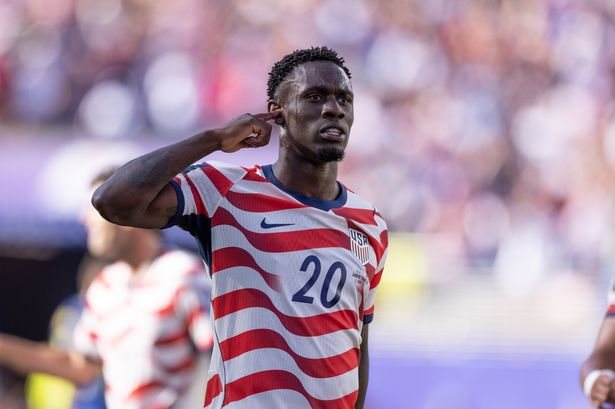
Belgium secured a commanding 4-1 victory over the United States on Monday to advance to the World Cup quarter-finals, but the match was overshadowed by a bitter off-field dispute over the eligibility of US striker Folarin Balogun. The Red Devils’ triumph was not only a statement on the pitch but also a pointed response to what they considered an unjust decision by FIFA to overturn Balogun’s red card from the previous round.
The controversy began after Balogun was sent off during the USA’s last-32 match against Bosnia and Herzegovina. Under normal disciplinary rules, the red card would have triggered an automatic one-match suspension, ruling him out of the clash with Belgium. However, FIFA intervened and suspended the ban, allowing Balogun to play. The decision sparked outrage across the football world, particularly after it emerged that US President Donald Trump had personally lobbied for the red card to be overturned.
Belgium’s players and coaching staff were vocal in their criticism. After the final whistle, several Belgian players were seen holding up signs reading “Overturn this” in a direct jab at FIFA’s handling of the situation. The gesture was widely interpreted as a demand for consistency and fairness in disciplinary matters. European football’s governing body, UEFA, had earlier described FIFA’s decision as “incomprehensible and unjustifiable,” adding weight to the Belgian camp’s frustration.
On the pitch, Belgium dominated from the outset. They took an early lead through a well-worked team goal and never looked back, adding three more before the USA managed a consolation strike. The final score of 4-1 reflected Belgium’s superiority, but the match will be remembered as much for the political and administrative drama surrounding it as for the football itself.
Balogun, who started the match despite the controversy, was largely ineffective, failing to make a significant impact against a disciplined Belgian defence. His presence in the starting lineup had been a major talking point in the build-up, with many questioning the integrity of the competition after Trump’s intervention. The US president broke his silence after the defeat, launching a bizarre rant that did little to calm the storm.
The fallout from the incident has extended beyond the immediate match. The Football Association (FA) in England is reportedly considering launching its own appeal to overturn a red card given to England defender Jarell Quansah, citing the precedent set by the Balogun case. Former Arsenal striker Ian Wright has publicly urged UK Prime Minister Keir Starmer to intervene, highlighting the growing sense of unfairness among nations who feel that political influence is skewing World Cup disciplinary processes.
Belgium now advance to the quarter-finals, where they will face a yet-to-be-determined opponent. Their victory was a powerful statement of resilience, but the lingering controversy over Balogun’s red card has raised serious questions about FIFA’s decision-making and the role of external political pressure in football governance. The Red Devils’ pointed celebration served as a reminder that, for many in the sport, the fight for fairness is far from over.

80