

Sports 5 min read By Arthur Ellington
Andy Burnham Pledges to End ‘Boys Club’ Briefing Culture in Downing Street
Labour deputy leader Lucy Powell has stated that incoming Prime Minister Andy Burnham will change the ‘boys club’ culture of anonymous briefings in Downing Street, which she says has targeted female Cabinet ministers and silenced critics.
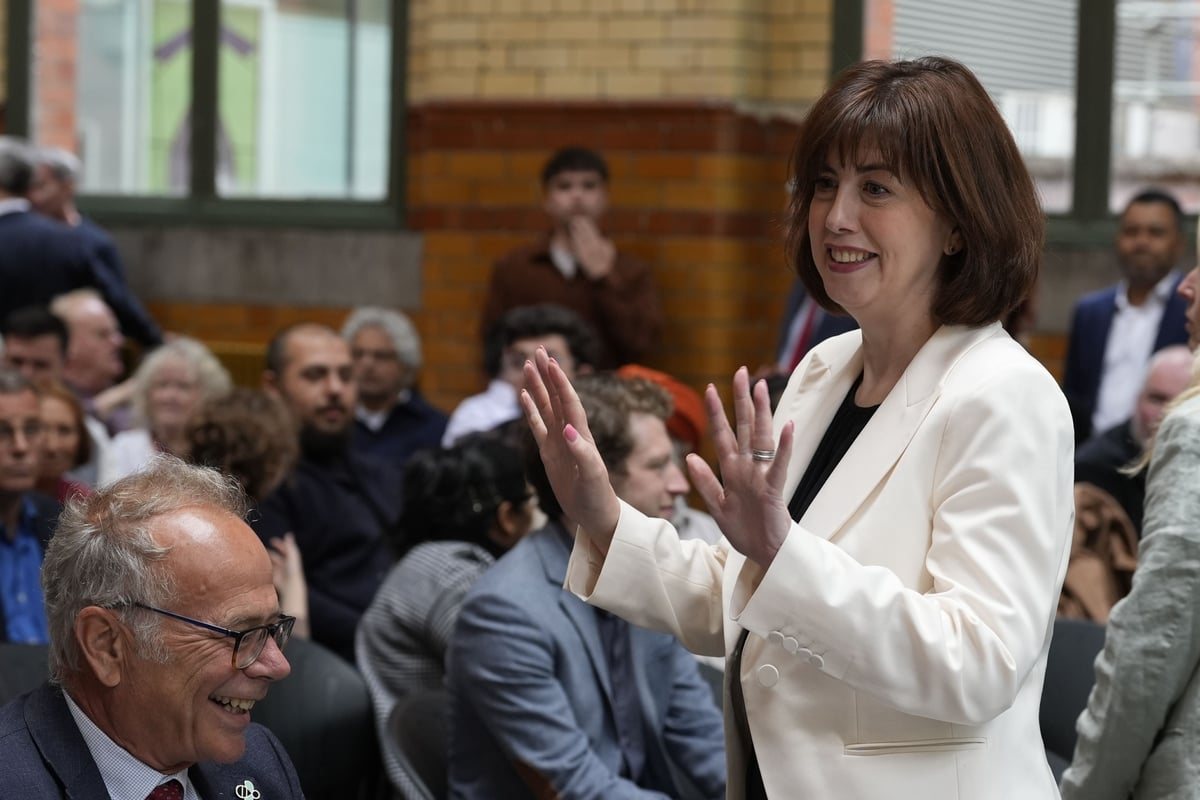
Labour’s deputy leader, Lucy Powell, has declared that the incoming Prime Minister Andy Burnham will put an end to the «boys club» culture of anonymous briefings in Downing Street, a practice she says has targeted female Cabinet ministers and created an atmosphere of fear. Speaking ahead of Burnham’s formal assumption of office, Powell criticised the factional briefings that have characterised Sir Keir Starmer’s premiership, describing them as «unpleasant» and damaging to open debate within the government.
Powell, who serves as deputy leader of the Labour Party, revealed that she had personally experienced such briefings during her time in government. She argued that the culture of leaking and briefing against colleagues had left many people, particularly women, afraid to speak out or challenge Downing Street’s position. «It has been a boys club,» Powell said in an interview. «That will change under Andy Burnham.»
The comments come as Burnham prepares to take over as Prime Minister following a period of internal party tension. Powell’s remarks are seen as a clear signal that the new leadership intends to foster a more meritocratic and inclusive environment at the heart of government. She emphasised that the change in culture is not just about style but about ensuring that all voices, especially those of women, are heard and respected.
Under Starmer’s leadership, anonymous briefings to the media had become a recurring feature of Westminster politics, often targeting senior female figures such as Yvette Cooper and Bridget Phillipson. These briefings were widely interpreted as attempts to undermine rivals or silence dissent within the party. Powell’s intervention suggests that Burnham’s administration will take a firm stance against such practices, prioritising collective responsibility and transparency.
The issue of gender balance has also been a pressing concern for Labour’s female MPs, who have pressed Burnham on the composition of his cabinet and senior team. Powell’s statement aligns with broader demands for a more representative government, where women are not only present but also able to contribute without fear of being undermined by anonymous attacks. «We need a No 10 that is open, where people can challenge and debate without worrying about being briefed against,» Powell added.
Burnham, who won the Labour leadership after Starmer’s resignation, has positioned himself as a unifying figure capable of healing internal divisions. His allies have indicated that he will prioritise a more collaborative approach, moving away from the factionalism that has plagued the party in recent years. Powell’s endorsement of his ability to change the culture is a significant boost, given her own experience of the «boys club» atmosphere.
The transition of power is expected to be completed in the coming days, with Burnham set to appoint his cabinet shortly after. Political analysts note that the new Prime Minister faces the challenge of not only changing the culture within No 10 but also restoring public trust in the government’s integrity. The promise to end anonymous briefings is likely to be welcomed by many within the party and beyond, as it signals a break from the practices of the past.
Powell’s comments have also drawn attention to the broader issue of sexism in politics. The targeting of female ministers through anonymous briefings has been a persistent problem, and campaigners have called for stronger measures to protect women in public life. By speaking out, Powell has added her voice to those demanding a more respectful and equitable political culture.
As Burnham prepares to take the reins, the focus will be on whether he can deliver on his promise to change the culture of No 10. For now, Powell’s statement serves as a clear indication that the new administration intends to set a different tone, one that values openness, merit, and respect over factional intrigue.

96