Society 3 min read By Callum Montgomery
Grand Canyon pipeline badly damaged by flash floods
Flash flooding has damaged roughly 40% of the Grand Canyon's sole water pipeline, forcing water restrictions and complicating a $200 million upgrade project.
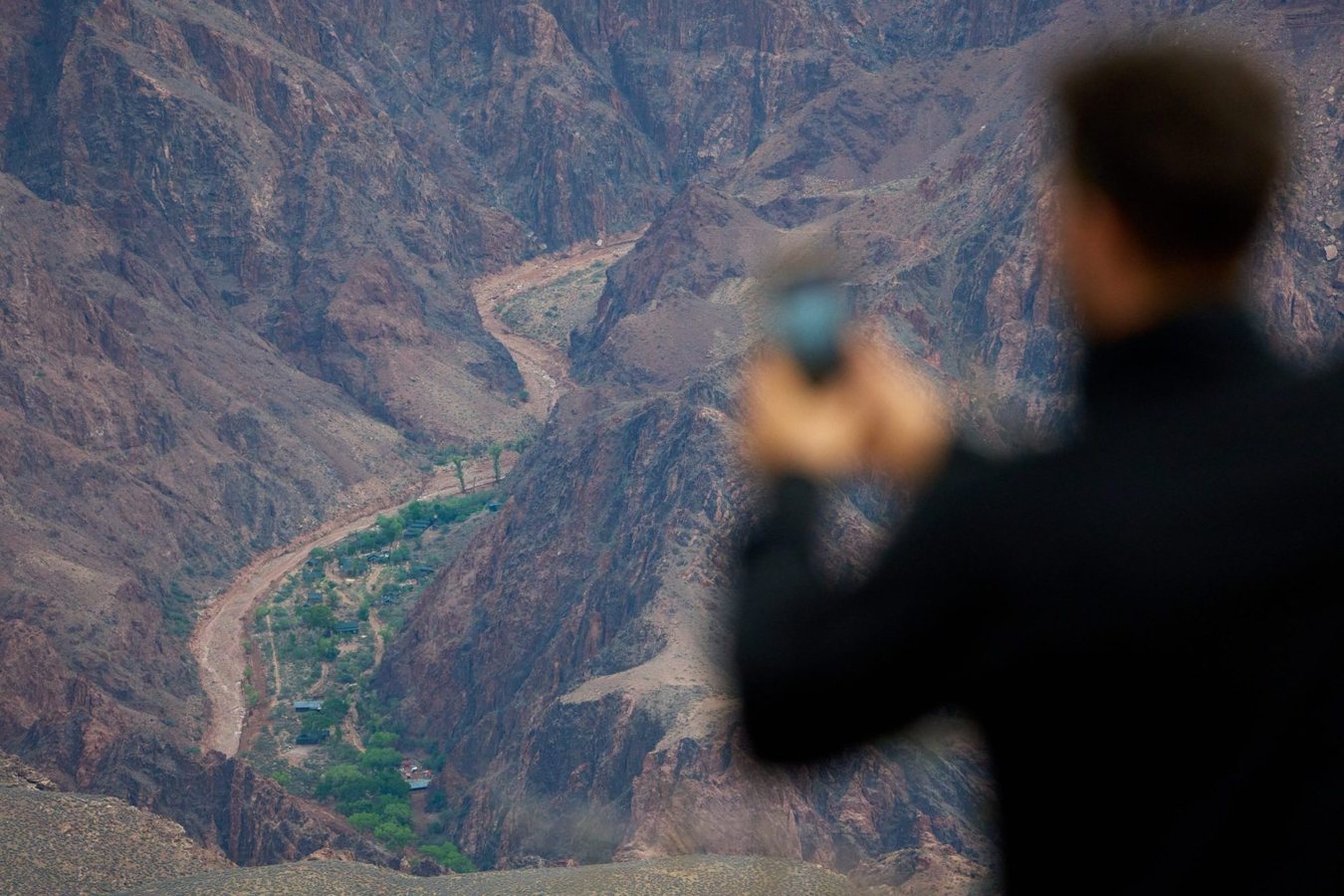
Flash flooding at the Grand Canyon has badly damaged the park's only water pipeline, forcing officials to impose water restrictions and complicating a yearslong, $200 million upgrade project. Park officials estimate that roughly 40% of the Transcanyon Waterline sustained damage, with a full survey of the destruction not expected until Tuesday at the earliest.
«We anticipate miles of the pipeline being destroyed,» Grand Canyon Deputy Superintendent Brian Drapeaux said, based on initial flyovers of the rugged terrain. The 12.5-mile pipeline, which supplies water to millions of visitors and year-round residents, has broken more than 85 times since 2010. The flooding also killed at least two people, with one person still missing Monday night after rescuers saved around 80 people over the weekend.
The park has halted overnight accommodations and asked visitors on the South Rim, where most people go, to take short showers, turn off taps while brushing teeth, and flush toilets selectively to protect limited stored water. The National Park Service warned that additional flooding was possible and advised visitors to reconsider hiking, boating, or paddleboarding in slot canyons or normally dry washes.
The damage strikes during an ambitious reconstruction effort that began in 2023 after more than a decade of design, consideration, and funding. The project involves installing helicopter pads, building water treatment facilities, and replacing several miles of pipeline. Engineers selected a flex-steel material to replace the original aluminum pipe, which was lighter and easier to move into the steep canyon but prone to breaking. The upgrade also aims to move the water intake further down the canyon to Bright Angel Creek, closer to Phantom Ranch, a popular lodge at the base.
Even routine repairs to the pipeline are time-consuming, precarious, and costly. The line, finished in the 1970s, moves water from one side of the canyon, down to its base, across a bridge, and back up the other side of the rough landscape. Helicopters are often required to make basic fixes, and addressing the latest damage will be complicated by the scale of destruction.
Water restrictions are not new to the park. In 2016, a hotel on the canyon's rim was forced to reduce dishwashing and use paper plates and plastic utensils. In 1995, a 28-day repair effort required officials to truck in water. The park had conservation measures in place even before the latest flooding.
Officials previously said the repair and replacement project would ensure the park can meet its water supply needs for the next 50 years or more. The park had roughly 4.4 million visitors last year. When the original pipeline was nearing completion in the 1960s, a historic flood caused 40% of the project to be destroyed, a pattern now repeating itself decades later.
84