Politics 5 min read By Arthur Ellington
Washington rewires Foreign Service hiring, training and promotion
The US State Department is replacing DEI as a personnel objective with a tighter merit framework, changing incentives across the diplomatic career pipeline.
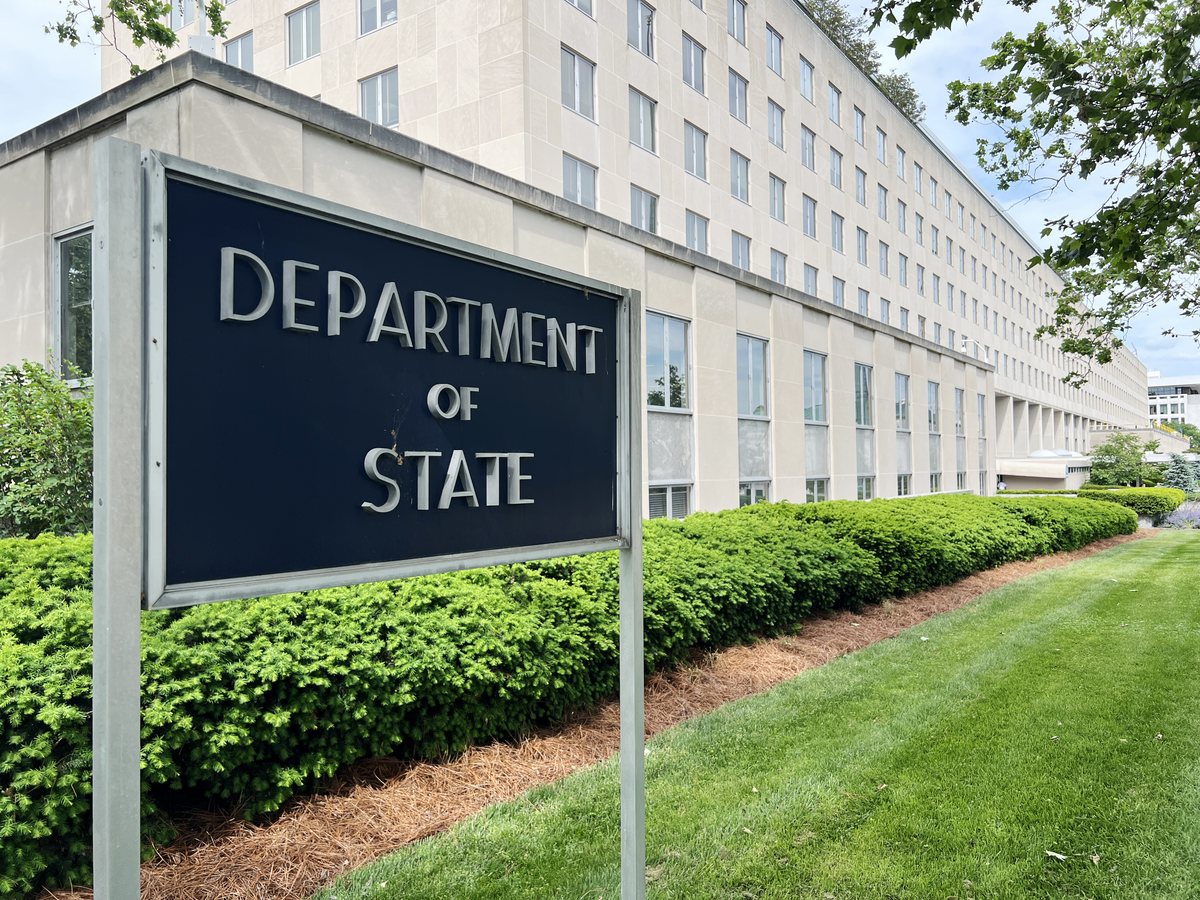
The State Department’s retreat from DEI is best understood as an institutional redesign rather than a communications exercise. Washington is changing the incentives at three points in the Foreign Service pipeline — entry, professional formation and promotion — in an effort to make job-related merit the dominant signal throughout a diplomatic career.
The change began at the top. In March 2025 the White House ordered the secretary of state to remove the Diversity, Equity, Inclusion, and Accessibility Core Precept from the 2022–2025 criteria used for Foreign Service tenure and promotion. The administration’s wider federal policy simultaneously instructed agencies to dismantle DEI programmes and examine employment practices that rewarded participation in them.
At organisational level, the shift had immediate consequences. The State Department’s financial handbook now records Diplomatic Security DEI Operations as discontinued from 6 March 2025. That is a useful marker because it shows the policy reached budget and administrative architecture, not merely the language of promotion boards.
The next redesign targeted recruitment. The department’s current careers material describes the revised Foreign Service Officer Test as part of a merit-based selection process. It added a logic-and-reasoning component, ended the situational-judgement section and removed personal narrative essays. Job-knowledge and English testing are now presented as more directly aligned with the demands of diplomatic work.
The State Department also reshaped initial training in 2026. The new emphasis includes American history, diplomatic theory, economic statecraft, strategic competition, public speaking, negotiation and leadership. Politically, the message is clear: professional formation should serve the administration’s foreign-policy mission and equip officers to execute it, rather than ask them to demonstrate adherence to a separate internal diversity agenda.
Promotion is where those incentives become most consequential. The department says an internal study found that 295 Foreign Service officers were denied promotion opportunities in 2024 after DEI was embedded in the process. It has promised restitution based on past performance. That figure should be treated as an official finding rather than an independent audit, because State has publicised the conclusion more fully than the methodology used to attribute lost opportunities to DEI.
For a large institution, retrospective corrections create their own governance risks. A promotion system relies on predictable rules, stable evaluation records and confidence that standards will not be rewritten after the fact. The American Foreign Service Association has therefore focused much of its criticism on process. AFSA welcomes recruitment but says the administration overstates the novelty of training in history, diplomacy and negotiation, and it questions the characterisation of previous selection methods as ideological tests.
The merit language itself also needs context. State Department regulations already required appointments, assignments and promotions to be based on merit. The reform is therefore narrowing what counts as relevant evidence of merit and removing a specific DEIA precept, not inventing performance-based advancement for the first time.
Nor has the equal-opportunity framework vanished. Current rules continue to prohibit discrimination, require Equal Employment Opportunity leadership and mandate No FEAR Act training. In corporate terms, Washington is separating compliance with anti-discrimination law from a broader DEI management programme and saying the former remains compulsory while the latter no longer belongs in the career scorecard.
That distinction will matter to allies dealing with American embassies. Personnel systems shape which skills are rewarded, which officers become leaders and how much institutional diversity of experience survives into senior ranks. The real measure of the overhaul will be whether it improves capability and accountability without creating a new ideological filter of its own. Promotion outcomes over the next several cycles will provide the first hard evidence.
70