Politics 4 min read By Arthur Ellington
Trump-Venezuela oil deal illegitimate and unhelpful, adviser says
A special adviser to a Venezuelan congressman has condemned the secret US-Venezuela oil deal announced by President Trump and Interim President Delcy Rodríguez, calling it illegitimate and probably illegal, while arguing that privatisation is the only path to reviving the country's oil industry.
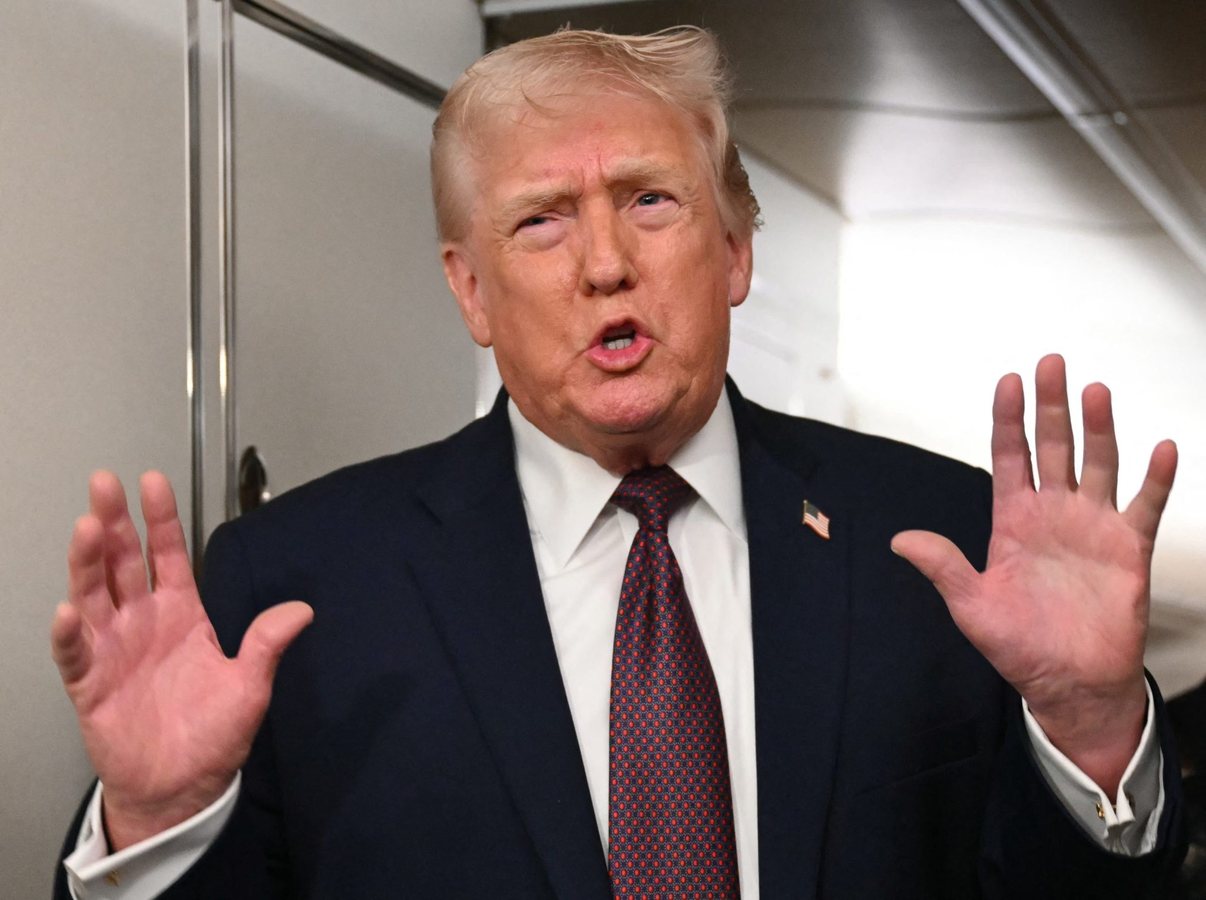
A senior economic adviser to the Venezuelan opposition has condemned the secret oil deal announced by President Trump and Interim President Delcy Rodríguez, describing it as illegitimate, probably illegal, and unhelpful to the country's recovery. The adviser, who serves as Special Adviser to Venezuelan Congressman Antonio Ecarri on Economic, Monetary, and Energy Affairs, said the agreement was reached without public debate and took everyone in Caracas by surprise.
The deal, which has been revealed to the public with virtually no details, was signed under duress and therefore lacks legitimacy, the adviser wrote in a commentary piece. The criticism comes as Venezuela continues to grapple with hyperinflation and a collapsed oil sector that once formed the backbone of its economy.
The adviser argued that the fundamental problem with Venezuela's oil industry is not the size of its reserves, but the rate at which they are being depleted. PDVSA, the state-owned oil company, accounts for almost 95% of Venezuela's foreign exchange earnings but is grossly mismanaged. Under the direction of Luis Giusti in the 1994-1998 period, PDVSA's production soared. That trend reversed in 1999 when Hugo Chávez became president and introduced Chavismo as the country's guiding economic doctrine.
Venezuela's oil output began to stagnate, a situation that worsened after the coup attempt of April 2002. Chávez responded by purging PDVSA of its professionals en masse, replacing them with loyalists. After the 2002-2003 output plunge, production temporarily recovered, but another decline began after Nicolás Maduro assumed the presidency in March 2013. This trend has left Venezuela's output drastically lower than when Chávez took power in 1999.
The adviser noted that PDVSA's physical capital has been consumed at an unsustainably rapid rate, with capital expenditures far below the value of equipment being consumed each year by depreciation and amortisation. There has also been a drop in the stock and quality of its human capital. In 2017, Maduro named a National Guard general with no industry experience to lead PDVSA. Equipment breakdowns and increased accident rates have contributed further to long downtimes and output declines.
The depletion rate provides the key to understanding the economics of an oil company and the value of its reserves. Venezuela's depletion rate has been falling rapidly since 2007 and now sits at 0.124% per year, meaning it would take 558 years for PDVSA's reserves to be halfway depleted. Because of positive time preference and discounting, a barrel of oil that cannot be produced and sold for 558 years is virtually worthless in today's dollars. By contrast, Exxon's depletion rate is close to 9% per year, implying it would take just 7.4 years for its reserves to be halfway depleted.
The adviser, who served on the United Arab Emirates' Financial Advisory Council from 2008 to 2014, said he used a simple model to conclude that the UAE should be depleting its vast oil reserves at a much more rapid rate than it was. The UAE agreed and attempted to obtain a dramatic increase in its OPEC quota, but when that was not forthcoming, it left OPEC in May 2026.
The adviser argued that Venezuela should kill inflation by mothballing the bolivar and replacing it with the US dollar. After that positive confidence shock, Venezuela must employ all legitimate means to privatise its oil industry and dramatically increase its production. The establishment of clear private property rights in Venezuela's oil reserves would give them a positive present value, something that is not the case under the current state-controlled system.
55