Politics 5 min read By Arthur Ellington
Trump and Musk Have Rebuilt the Alliance Between Political Power and Tech Capital
Their repaired relationship matters beyond personality: it reconnects Republican campaign machinery, federal power and businesses deeply exposed to government policy.
The reconciliation between Donald Trump and Elon Musk is best understood as the repair of a political-economic system rather than a friendship. One side controls the American executive branch and a dominant political movement. The other controls Tesla, SpaceX, X and a vast pool of political capital. Their rupture in June 2025 showed how quickly personal conflict could become a question of federal contracts, regulation and market risk. Their 2026 rapprochement puts those channels back together.
The relationship did not begin with ideological affinity. Musk opposed Trump in 2016 and later joined White House business advisory councils before resigning over the U.S. withdrawal from the Paris climate agreement. In 2020, Trump publicly backed Musk during Tesla’s dispute over reopening its California factory. Two years later, the pair were exchanging insults, and Musk argued that Trump should retire from politics.
Even in 2023, Musk was not committed to Trump’s return. He hosted Ron DeSantis’s presidential launch on Twitter Spaces. The shift came after the July 2024 assassination attempt in Butler, when Musk endorsed Trump. A friendly two-hour X conversation followed, during which Musk proposed a commission to cut government waste. In October he appeared at a Trump rally, and by the end of the election he had spent at least roughly $250 million supporting Trump and allied Republican causes.
The post-election bargain was striking. Trump announced that Musk and Vivek Ramaswamy would drive the DOGE effort. Once in office, Trump established the U.S. DOGE Service by executive order. Musk became a White House employee and senior adviser, though a later court filing stated he was not the DOGE administrator and did not possess independent formal decision-making authority.
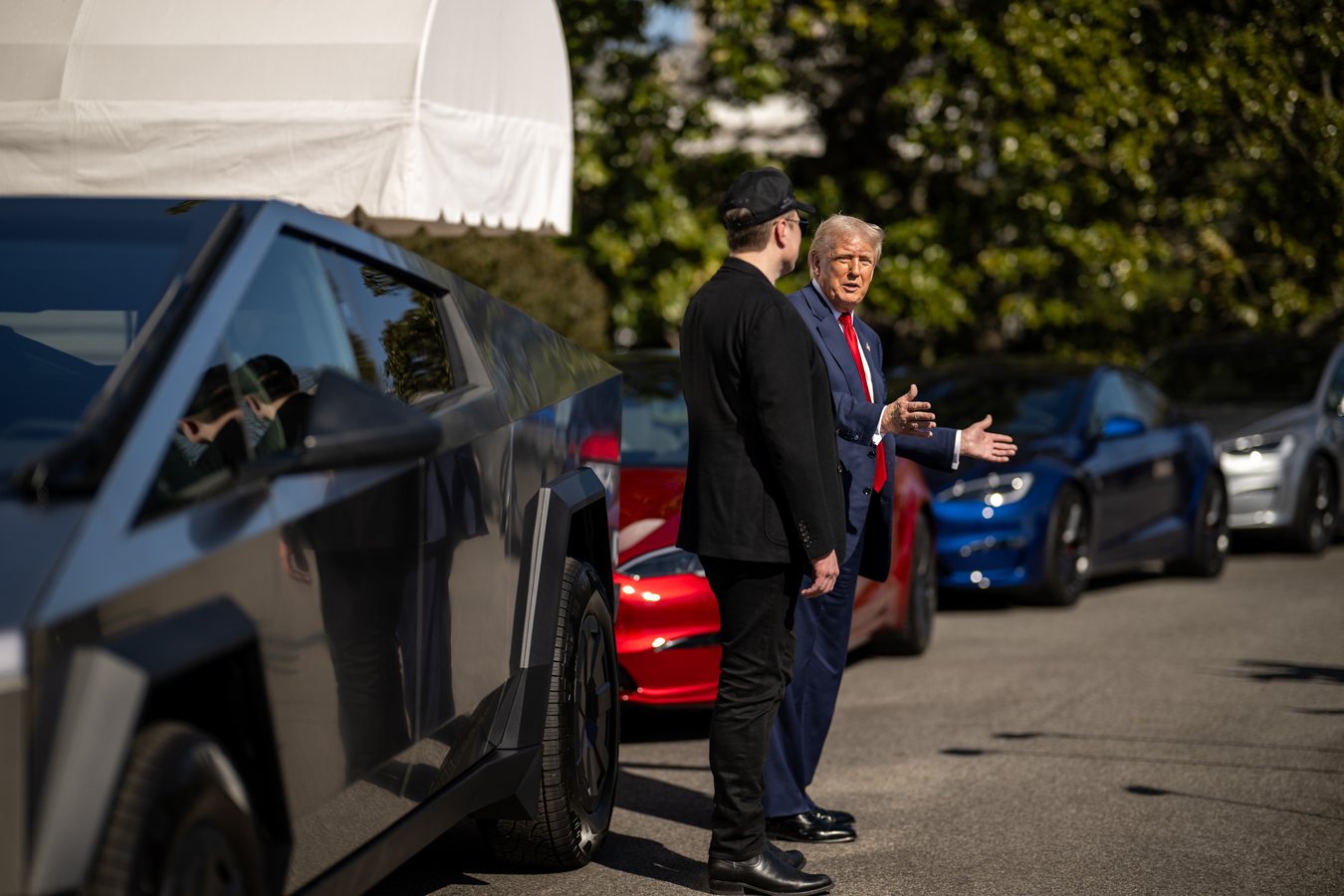
This distinction mattered legally but not politically. Musk became inseparable from the administration’s austerity drive. Trump, in turn, gave conspicuous support to Musk’s commercial interests. In March 2025, the president displayed Tesla cars at the White House and said he would buy one. That moment illustrated the upside of alignment between political and corporate brands.
June revealed the downside. Musk attacked Trump’s tax-and-spending bill over debt and deficits. Trump threatened to end federal contracts and subsidies connected to Musk’s businesses. SpaceX alone was exposed through major public contracts and its role in American spaceflight. Musk briefly threatened to decommission Dragon before backing down. The two men also traded political attacks; Musk supported impeachment and posted an unsubstantiated claim about Trump and Epstein-related material, which he later deleted.
By June 11, Musk was expressing regret. In July he announced an America Party, but the attempt to create a separate political vehicle did not become a durable challenge to the Republican Party. Instead, the repair began. JD Vance and Susie Wiles kept lines open. A public handshake at Charlie Kirk’s memorial in September was followed by Musk’s return to the White House for a dinner in November. In January 2026, Musk put $10 million into key Republican congressional fundraising groups.
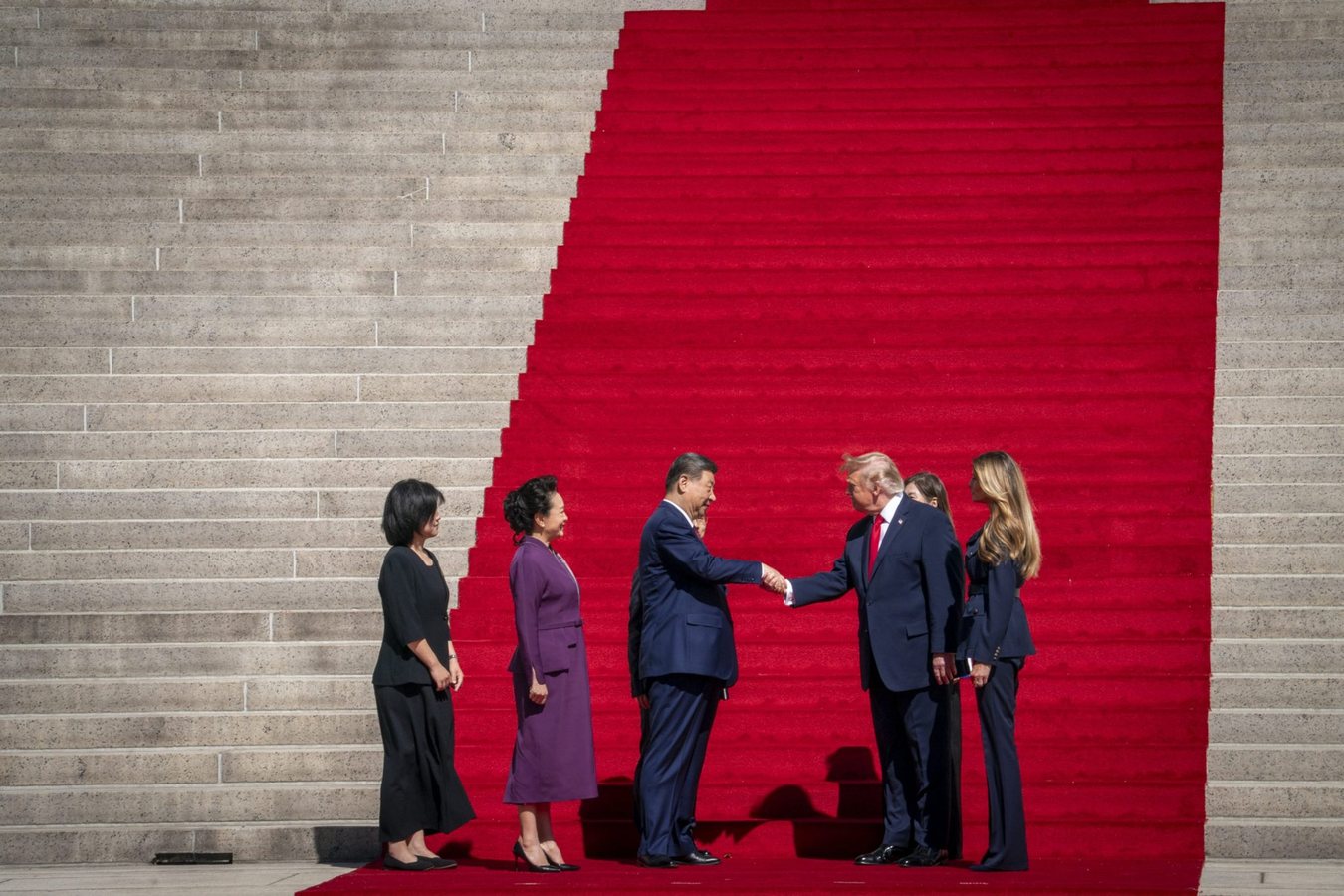
The alliance is now operational again. Musk traveled with Trump to Beijing in May. He told the president’s team that he intended to help Republicans in the midterms. His America PAC is preparing a voter-turnout operation expected to receive at least $100 million from him. Trump and Musk now reportedly speak about once a month on AI, China and world affairs.
For markets and institutions, the most important change is not warmth but reduced uncertainty. An open presidential feud created the possibility that federal policy could become a weapon against companies with major public contracts. The new détente lowers that immediate risk, yet it also reinforces a broader issue: American politics and technology capital remain unusually personalized around two individuals. Musk says he became too involved in politics. Trump says privately that the old closeness will not return. The system they rebuilt may therefore be more durable precisely because it is less sentimental and more transactional.
82