Politics 4 min read By Callum Montgomery
Alito Recuses Himself from US Supreme Court Climate Case Involving Oil Companies
Justice Samuel Alito has withdrawn from a Supreme Court case concerning climate litigation against major oil companies, a move that could affect the outcome of a dispute over whether such lawsuits belong in state or federal courts.
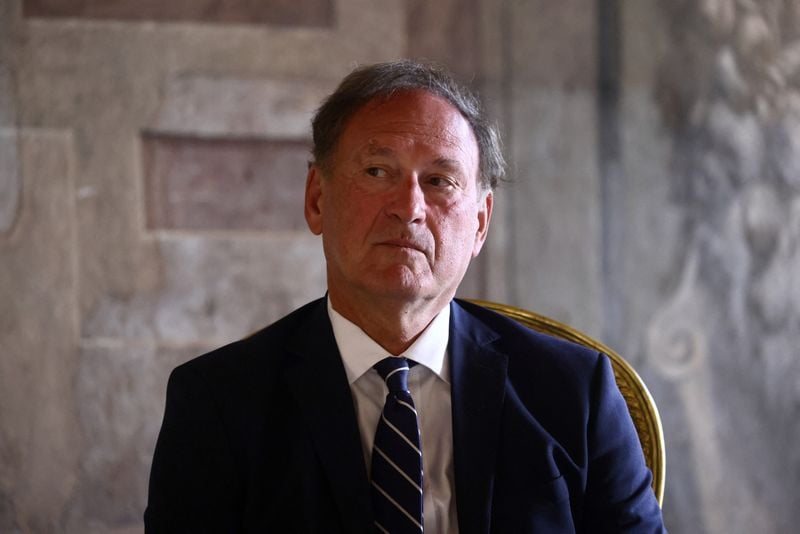
Justice Samuel Alito will not take part in a US Supreme Court case involving climate litigation against major oil companies, the court has confirmed. The recusal removes one of the nine justices from a dispute that could shape how climate-related lawsuits against fossil fuel producers proceed across the United States.
The case concerns whether lawsuits brought by states and municipalities against oil companies belong in state courts or should be heard in federal courts. The plaintiffs argue that the companies misled the public about the dangers of climate change and should be held accountable under state law. The companies contend that the issues at stake are inherently federal and should be litigated in federal court, where they believe they have a stronger legal position.
Alito’s decision to step aside was not accompanied by a detailed public explanation, which is customary for justices when they recuse themselves. The court did not specify the reason for his withdrawal. Recusals can occur when a justice has a financial interest, a prior involvement in the case, or other circumstances that could raise questions about impartiality.
The case is one of several climate-related disputes that have been working their way through the federal judiciary. It reaches the Supreme Court at a time when the legal strategies of both sides are being tested. A ruling could determine whether dozens of similar lawsuits filed by state and local governments can proceed in state courts, where plaintiffs have generally fared better, or whether they will be moved to federal venues.
Oil companies have argued that the lawsuits are an attempt to regulate global emissions through the courts and that such matters should be addressed by Congress and federal agencies. The plaintiffs, including several states and municipalities, say the companies engaged in deceptive practices and should be held liable for the costs of climate change adaptation and damage.
The Supreme Court’s involvement follows a series of lower court decisions that have mostly allowed the cases to remain in state courts. The justices are expected to consider whether federal law preempts state-law claims related to climate change. The outcome could have significant implications for the energy industry and for efforts to use litigation as a tool to address climate change.
Alito’s recusal reduces the number of justices available to hear the case. If the remaining eight justices split evenly, the lower court’s decision would stand, but the court could also decide to rehear the case if a tie occurs. The court has not yet scheduled oral arguments.
The case is being watched closely by business groups, environmental organisations, and legal scholars. It is one of the most consequential climate-related matters to reach the Supreme Court, and the recusal adds a further element of uncertainty to an already complex legal battle.
Justices are not required to explain their recusals, and Alito has not commented publicly on his decision. The court will proceed with the case without him, and a ruling is expected in the coming months.
5