
Politics 4 min read By Arthur Ellington
The Missing Trump-Netanyahu Call Matters Because Gaza Policy Is Stuck
A reported pause in direct contact has shifted difficult Gaza discussions toward Jared Kushner as Washington and Jerusalem disagree over the sequencing of disarmament and withdrawal.
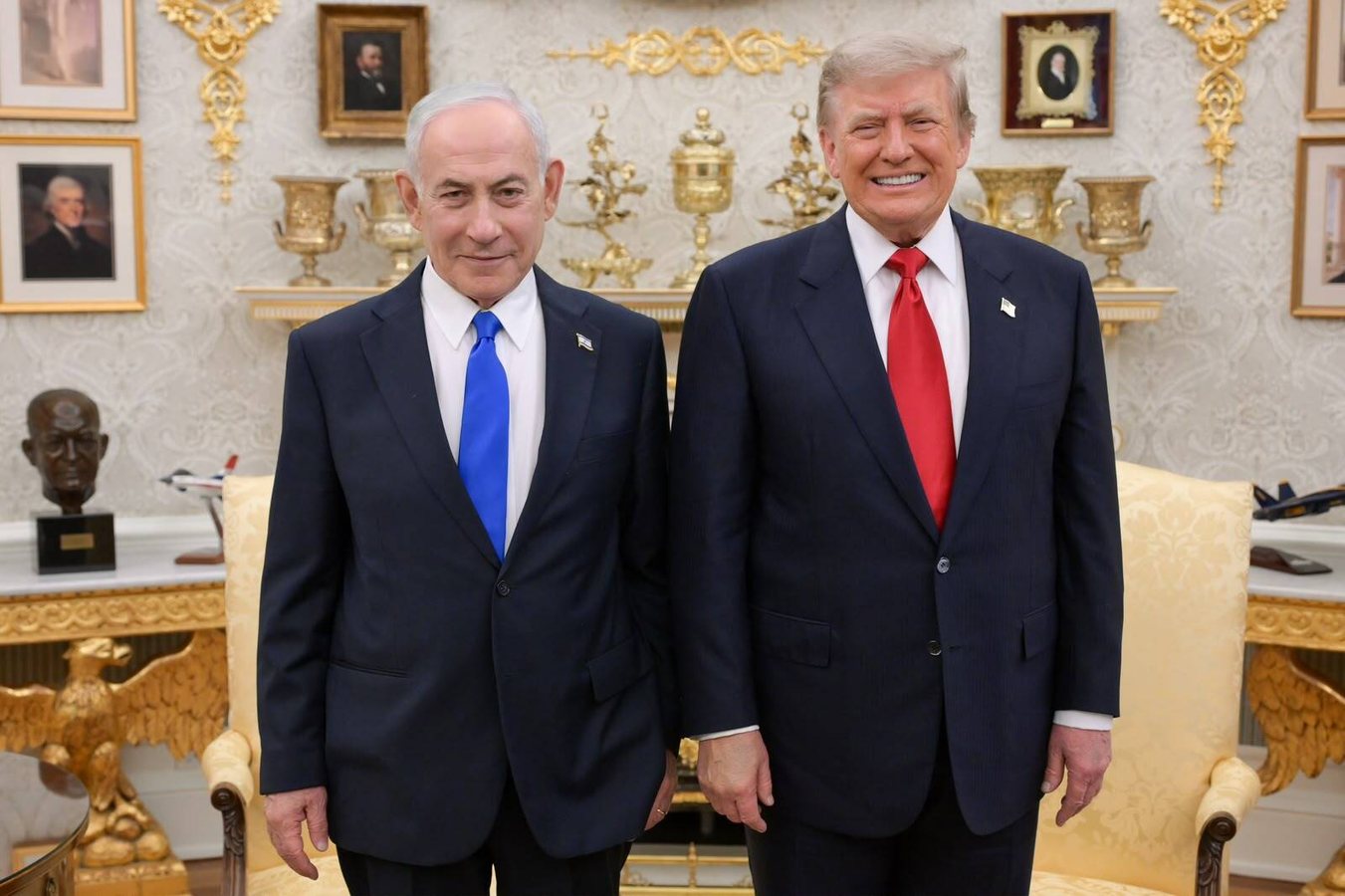
The most revealing feature of the current U.S.-Israel dispute may be the channel through which it is being managed. i24NEWS diplomatic correspondent Guy Azriel reports, citing sources, that Donald Trump and Benjamin Netanyahu have not spoken directly since their July 28 White House meeting. Yet Netanyahu has repeatedly spoken with Jared Kushner, including over a 15-point Gaza proposal that has become a test of how much policy divergence the alliance can absorb.
The July meeting was not presented as a breakdown. i24NEWS reported that the two leaders stressed a shared objective on Iran and that Israeli officials described the atmosphere positively. The more important issue is what followed: Washington and Jerusalem have remained aligned on broad goals while disagreeing over the mechanism and timing of key decisions.
Gaza is the clearest example. Independent reporting by the Associated Press, The Guardian and The Washington Post shows that the U.S.-backed framework links Hamas disarmament with a phased Israeli military withdrawal and the construction of a new governance and reconstruction system. Netanyahu’s position reverses the sequencing risk: Israel should not withdraw until Hamas is fully disarmed.
That gap is institutional, not merely rhetorical. A phased process requires each side to act before it has received everything it wants. It depends on verification, credible security guarantees, a functioning Palestinian administrative structure and an international mechanism strong enough to prevent either party from exploiting the transition. Israel’s objection is that incomplete disarmament leaves a residual military threat. The American problem is that insisting on complete disarmament before movement elsewhere may leave the whole plan frozen.
Kushner’s role therefore matters. The White House named him to the executive board of the Board of Peace, giving him a formal place in the machinery intended to steer Gaza’s stabilization and reconstruction. If Azriel’s account is accurate, Kushner is now operating as more than a policy designer; he is also a political buffer between a president and a prime minister whose immediate priorities are no longer identical.
The Iran file reinforces that pattern. After the July 28 meeting, i24NEWS reported that Trump was weighing a nuclear agreement, stronger economic pressure or renewed strikes. Before the meeting, Trump had also said he did not need additional Israeli intelligence about a specific Iranian site. An Israeli source told the outlet that Washington already understood the target and that the dispute was over timing.
For policymakers and markets, the practical question is whether this is temporary tactical friction or a change in how the alliance takes decisions. U.S.-Israel coordination influences regional security expectations, reconstruction financing, shipping risk, energy prices and the willingness of other governments to commit political capital to Gaza arrangements. A stalled political mechanism can quickly become an economic one if donors, contractors and regional states conclude that the security framework lacks durability.
The next Trump-Netanyahu contact will therefore be significant not for its symbolism but for what it says about decision authority. If the two leaders resume direct talks, the Gaza plan may move back into top-level bargaining. If communication continues chiefly through Kushner and other officials, the alliance will still function, but increasingly through managed negotiation rather than the personal political alignment that has often defined the relationship.
51