Politics 3 min read By Callum Montgomery
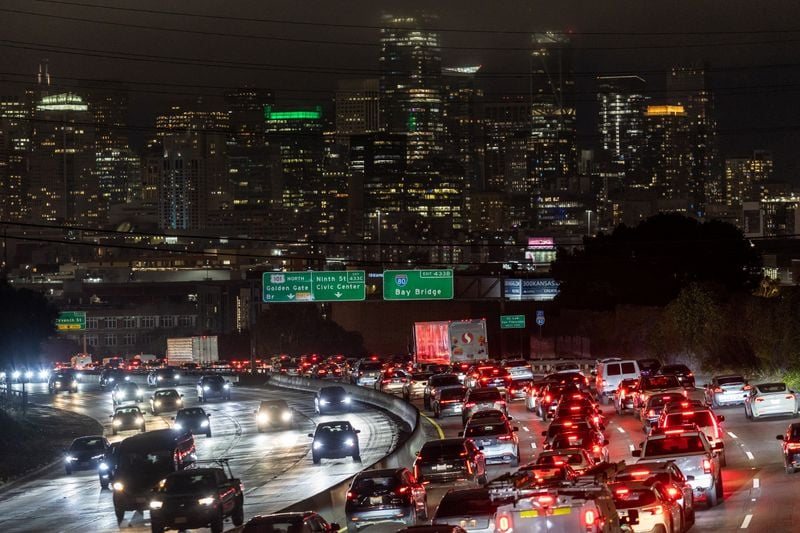
Southwark Green leader Jame McAsh vows to make driving harder
Southwark Green leader Jame McAsh has set out a vision for the borough that includes new restrictions on car use, more affordable housing, climate action and resistance to immigration raids.
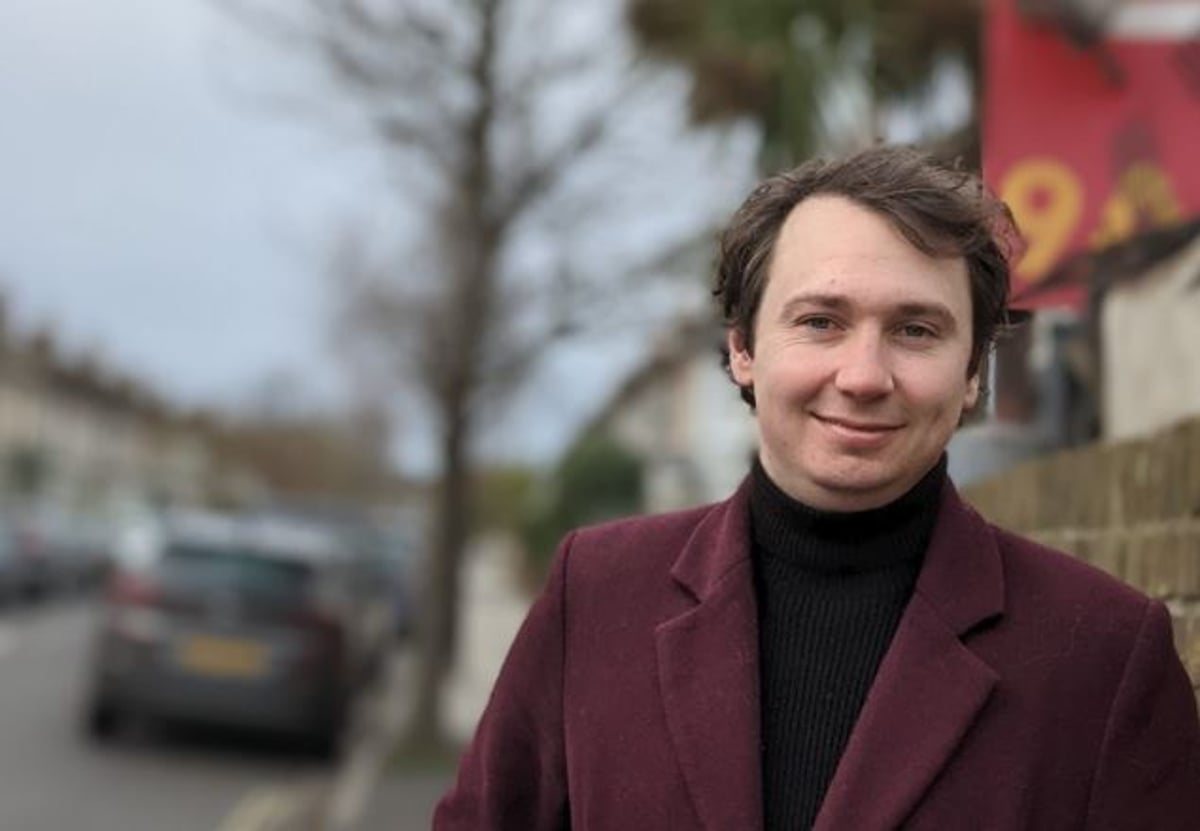
The Green leader of Southwark, Jame McAsh, has vowed to make it harder for people to drive cars as he laid out his vision for the borough. The commitment was announced alongside a broader package of priorities that includes increasing affordable housing, tackling the climate emergency and resisting immigration raids.
Mr McAsh's plan puts transport policy at the centre of his agenda for the south London borough. Making driving less straightforward is intended to steer the area towards a different approach to mobility. The proposal forms part of a wider environmental programme that treats the response to the climate emergency as a central test for local government. In the same vision, he outlined ambitions to build more affordable homes, responding to pressures on housing costs and availability within the borough.
The pledge on immigration is one of the most politically significant elements of the vision. Mr McAsh said the borough should resist immigration raids, a stance that prioritises the protection of local communities over the enforcement of national immigration rules. The promise gives the borough a distinctive position on immigration enforcement, although the exact measures he intends to take were not specified in his announcement.
The combination of policies places the Green leader in a debate about the future of urban governance in London. Housing, transport and the climate emergency have become testing grounds for local leaders, and Mr McAsh's programme brings them together under a single agenda. His pledge to restrict car use is particularly notable because it sets out to change behaviour woven into daily life for many residents. The precise implications for motorists and for the local road network remain unclear, but the direction of travel has been set out clearly by the borough's leadership.
Mr McAsh's vision is expected to shape political debate in Southwark as the borough considers how to balance environmental goals with the demands of residents and businesses. The emphasis on affordable housing reflects a concern that has moved to the top of local political agendas across London, where the gap between earnings and property prices has made home ownership increasingly difficult. On climate, the borough's approach is in line with the broader push by Green politicians to translate the climate emergency into concrete local policy. On immigration, the stance forms part of a wider pattern in which local authorities have set out their own approach to cooperation with central government enforcement teams.
With all four priorities announced together, the vision gives a clear indication of the direction in which the Green leadership hopes to take the borough. The plan will now be scrutinised by residents, opposition parties and campaign groups as it moves from statement to implementation.