Politics 3 min read By Arthur Ellington
Permitting reform is the likeliest achievement of the new US Congress
A Forbes analysis argues that permitting reform, under a bill known as BAAJA, is the one measure the new US Congress is most likely to deliver, backed by a broad coalition of energy, mining and labour interests.
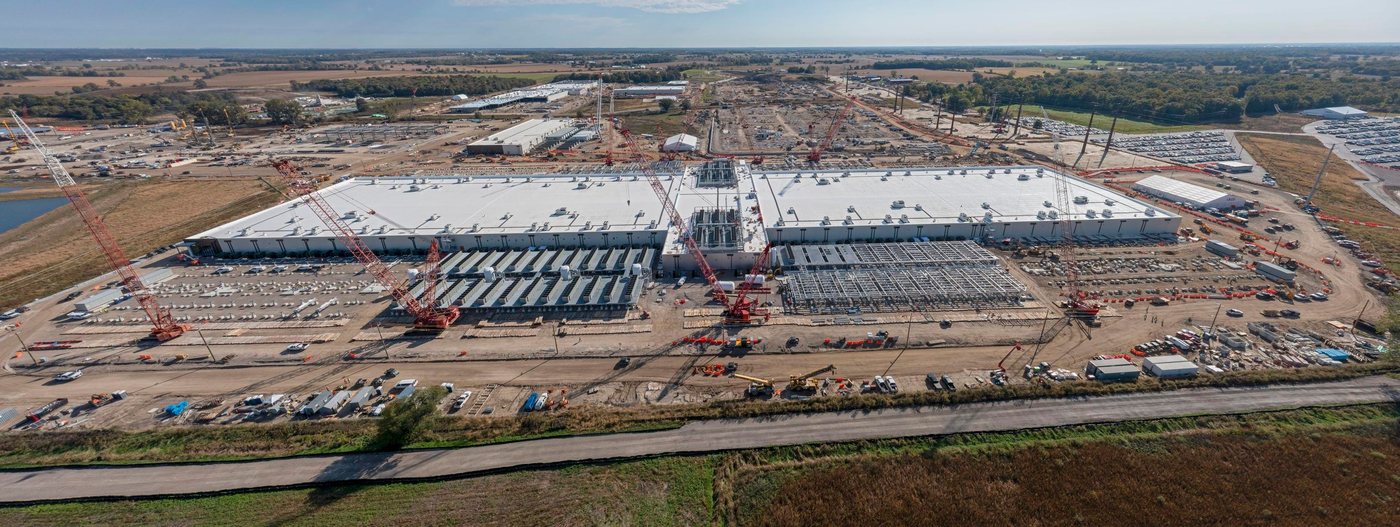
Permitting reform is the one outcome that the incoming United States Congress is most likely to deliver, according to a Forbes analysis by Ian Palmer published on November 7, 2026. The measure at the centre of that expectation is BAAJA, a bill designed to speed up permitting and other government approvals for projects that require federal sign-off.
What sets the proposal apart, the analysis suggests, is the breadth of its support. Backers include oil and gas companies, clean energy firms, mining enterprises and trade unions. Few policy debates in Washington bring together fossil fuel producers, renewables developers and organised labour behind a single piece of legislation, and that overlap is the core of the argument that permitting reform stands a better chance than most other items on the agenda.
The excerpt on which this account is based does not say how many votes the bill would need or how quickly it could move through the chamber. It gives no timetable for passage and no detail on the specific provisions BAAJA would contain. Whether the bill ultimately becomes law therefore remains uncertain, and the analysis does not claim otherwise. Its central claim is narrower: of the things the new Congress might accomplish, permitting reform looks the most probable.
The forecast rests on a simple observation about the approvals process. Permitting regimes that govern energy, mining and infrastructure projects can stretch timelines for years, and the analysis treats the prospect of shortening those delays as the common thread linking the bill's supporters. Each sector comes to the question from a different angle, but the underlying grievance, that approvals take too long, is one they share.
That shared frustration helps explain why the coalition is unusual. Fossil fuel producers and renewable developers rarely align on energy policy, and organised labour and mining firms often find themselves on opposite sides of regulatory fights. On permitting, however, their interests converge: faster decisions mean projects reach construction sooner, and construction means work for the crews and workers that unions represent.
The forecast also underlines how a narrow area of common ground can emerge in a divided political environment. Where competing industries and unions see the same obstacle in the approval process, they may be willing to support reform even while disagreeing on much else. Whether that consensus holds through the legislative process will determine whether the forecast proves accurate, and the analysis is clear that the outcome is not yet settled.
Source: forbes.com
5