
Politics 4 min read By Arthur Ellington
Patriot Licensing Exposes the Limits of Allied Defense Industrial Policy
Washington wants more allied production but remains reluctant to decentralize its most sensitive PAC-3 technology, creating a test of how far defense-industrial burden sharing can go.
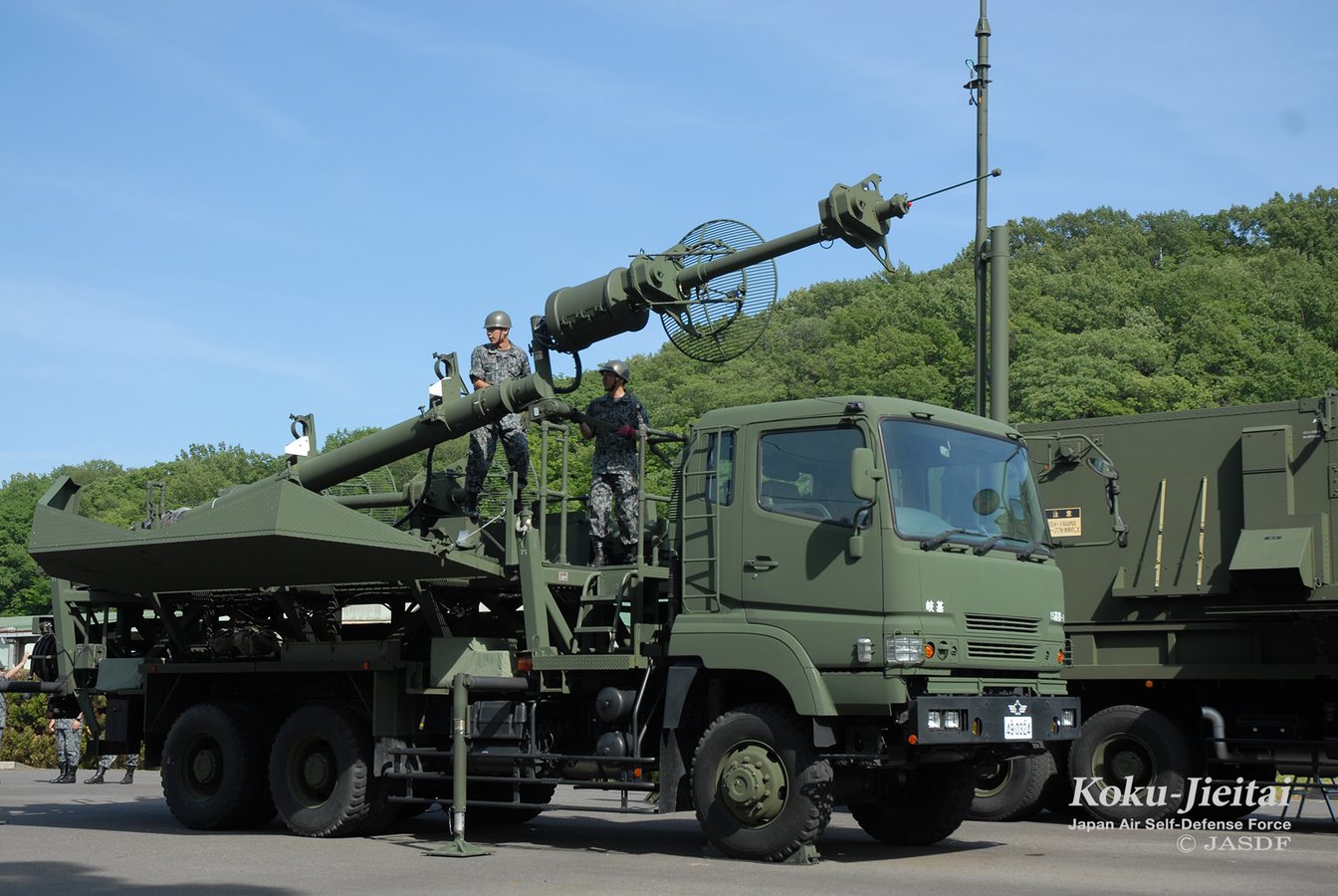
The dispute over a Patriot production license for Ukraine exposes a structural contradiction in Western defense policy. Washington is urging allies to expand their industrial capacity and carry more of Europe’s conventional-defense burden. Yet the technologies that make some American systems uniquely valuable remain tightly controlled. The Telegraph reports that those two priorities are colliding over Boeing’s PAC-3 Ka-Band Active Radar Seeker.
Donald Trump created the political opening on 8 July when he told Volodymyr Zelenskyy in Ankara that Ukraine would be given the right to manufacture Patriots. The language suggested decentralisation. The practical process points toward a more managed model. According to the Associated Press, a license could mean anything from assembly of imported kits to production of selected parts rather than replication of the complete weapon.
The seeker explains why. It detects and tracks the target in the terminal phase and provides guidance data needed for the PAC-3’s hit-to-kill intercept. From an industrial-policy perspective, it is precisely the kind of high-value component that Washington may prefer to keep concentrated in a secure domestic facility. From Ukraine’s perspective, however, a license that excludes such components leaves a continuing dependence on American export decisions and supply capacity.
The Telegraph says U.S. officials are concerned that a broader transfer would create more routes for Russia to obtain the technology. That would require security controls not only at a prime contractor but across factories, employees and subcontractors. It is a familiar problem in complex defense supply chains: resilience is gained by adding sites and suppliers, while secrecy becomes harder to enforce as the network expands.
A European production site offers one potential compromise. The newspaper reports that Germany or another European state is being considered, with Under Secretary for Policy Elbridge Colby supportive of the idea. Colby has publicly pressed Europe to assume greater responsibility for conventional defense. Locating a Ukrainian-dedicated line in Europe would fit that burden-sharing agenda while avoiding the obvious vulnerability of a major missile factory inside Ukraine.
Europe already has relevant industrial building blocks, though they are often conflated. Germany’s 2024 COMLOG contract covers up to 1,000 Patriot GEM-T interceptors and expands production at European facilities. GEM-T is a PAC-2-derived missile, not evidence of full PAC-3 seeker production. Separately, the U.S., Germany, the Netherlands, Poland and Sweden agreed in July to explore a dedicated PAC-3 maintenance facility in Europe, while Lockheed Martin has been expanding component supply chains on the continent.
The American production base is scaling too. Boeing’s seven-year framework is intended to triple seeker output after more than $200 million of investment in Huntsville. Lockheed Martin plans to lift PAC-3 MSE capacity from roughly 600 to around 2,000 missiles a year. That makes a split model increasingly feasible: sensitive guidance components remain U.S.-made, while integration and other manufacturing steps move to Europe.
Such an arrangement would not deliver immediate relief. AP cited a minimum of 18 to 24 months for a pilot line even with imported kits. But the policy significance is larger than the first batch of missiles. The license will show whether transatlantic industrial burden sharing means merely buying more U.S. components or gradually transferring enough capability for Europe and Ukraine to sustain their own defense production.
55