Politics 7 min read By Arthur Ellington
Merz's reform paradox: Germany needs change, but voters no longer trust the chancellor to deliver it
Friedrich Merz is trying to tackle pensions, labour supply, taxation and competitiveness at once. The policies address genuine structural weaknesses, yet his approval has collapsed because the government has failed to convert reform logic into political confidence.
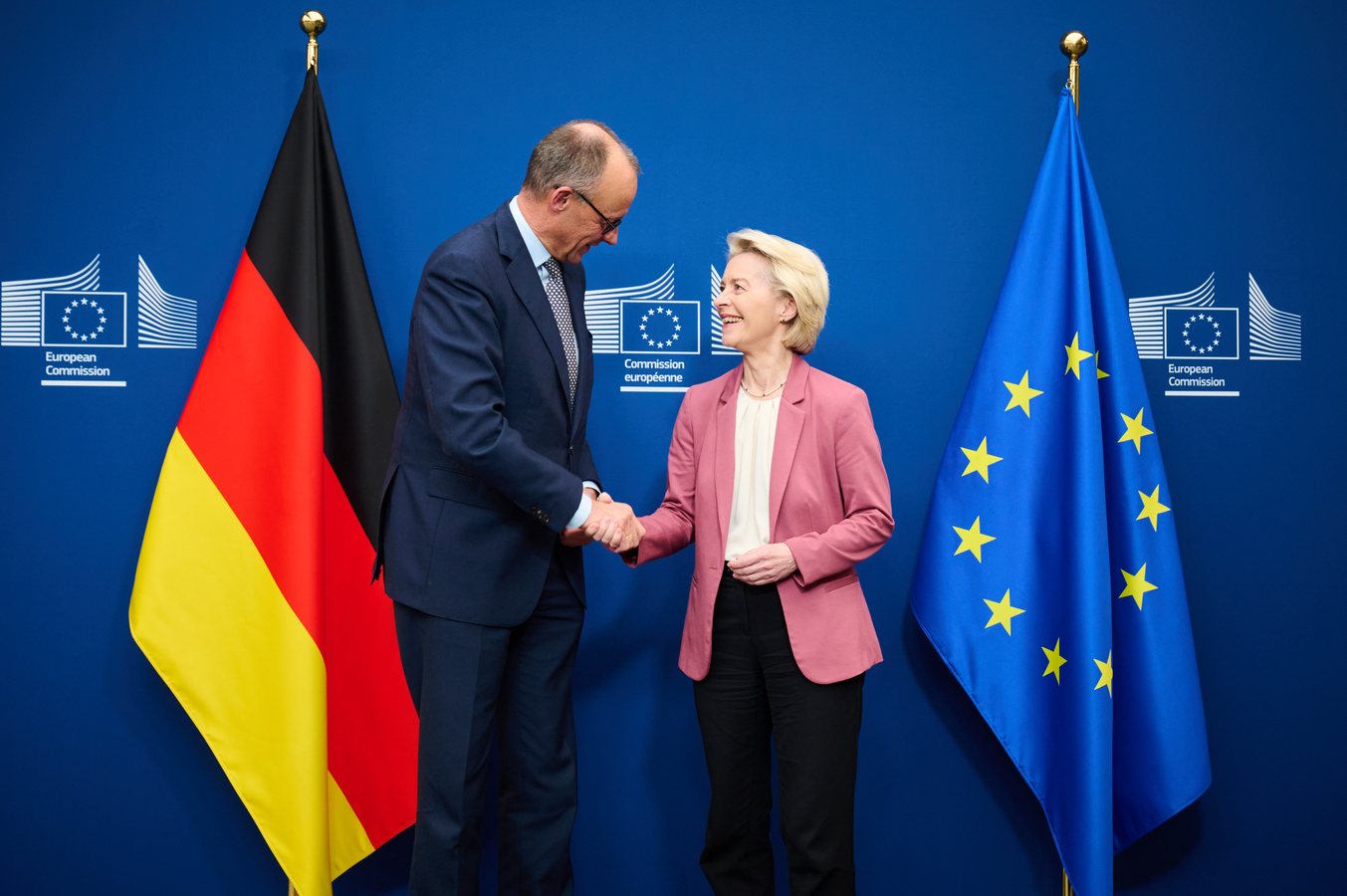
Friedrich Merz is facing a paradox that matters well beyond German politics. Germany needs structural reform, and the chancellor is attempting to deliver it. Yet the more his government talks about change, the less confidence voters appear to have in the man leading it.
The August numbers are severe. ZDF's Politbarometer found 75 per cent dissatisfied with Merz's work as chancellor and only 20 per cent satisfied. ARD's DeutschlandTREND put satisfaction at just 14 per cent. The coalition itself was viewed positively by only 13 per cent, while 85 per cent were critical. The AfD reached 28 per cent in voting intention as the CDU/CSU fell to 21 per cent.
This cannot be explained simply by saying Germans oppose reform. The country faces a familiar list of constraints: an ageing population, labour shortages, high social contributions, weak growth and pressure on industrial competitiveness. In July, more than three quarters of Germans told ARD they were worried about the economic location, and almost one in four workers feared for their job.
Merz's coalition has responded with a 34-measure package covering pensions, labour rules, taxation, welfare and bureaucracy. Some elements have a clear economic rationale. The government wants to reduce incentives for early retirement, encourage longer working lives, make hiring more flexible, tighten the new basic income support regime and provide tax relief for lower and middle earners. It also wants to cut reporting requirements and simplify administration.
The political difficulty is that structural benefits are diffuse and delayed, while the costs are immediate and personal.
Take pensions. Germany's demographic arithmetic makes longer working lives difficult to avoid. Ending the penalty-free early pension after 45 contribution years is designed to retain labour and ease pressure on the system. But for workers who have spent decades in physically demanding jobs, the policy can look less like intergenerational fairness and more like a withdrawal of an earned entitlement. ARD polling shows that the measure is unpopular and that only a minority expects the wider pension package to produce greater fairness between generations.
The dispute now runs through the governing coalition and Merz's own party. SPD figures and eastern CDU politicians have pushed for transition periods and protections for hard physical work. Merz has resisted reopening the core of the package. Economically, his position is coherent: once every painful measure is carved out, the reform can cease to function. Politically, however, the fight reinforces an image of a chancellor who demands sacrifice without first building a durable coalition for it.
The same problem appears in labour policy. Longer fixed-term contracts without specific justification and a shift from daily to weekly working-time limits may improve flexibility for employers. But workers hear a different message: less predictability in a period of rising job anxiety. A pro-growth reform can therefore be economically defensible and politically toxic at the same time.
Tax policy offers another example. The coalition plans relief for lower and middle incomes and families while asking more from top earners. That sounds politically marketable. Yet high social insurance contributions limit how much households actually feel. Voters rarely reward the elegance of a tax package; they reward a larger net figure on the payslip.
Merz's second problem is execution credibility. In May, ARD found that 80 per cent criticised his communication, while large majorities questioned his crisis leadership and suitability for office. By August, a cabinet reshuffle had produced little expectation of improvement: only 12 per cent thought it would lead to better government performance.
This matters because reform governments run on trust. Voters accept short-term costs when they believe the leadership understands the trade-offs, will distribute burdens fairly and can complete the programme. Merz currently lacks that reserve of confidence. His blunt language may appeal to those who want clearer choices, but repeated controversies over how he talks about pensions, migration and welfare have shifted attention from policy design to political tone.
There is also a sequencing problem. Germany is simultaneously expanding defence, reforming military service and committing substantial resources to European security and Ukraine. These choices have a strong strategic rationale. But they compete with domestic anxieties over pensions, care, jobs and taxes. A government must explain why it can afford security abroad while asking for restraint or additional effort at home. Failure to connect those two stories creates a perception gap even when the budgetary categories are different.
The most serious signal may be inside the CDU. ZDF reported in August that 80 per cent of respondents believed the party did not fully stand behind Merz; even among CDU/CSU supporters, 67 per cent shared that view. A reforming chancellor can survive low personal approval. It is much harder to drive painful legislation when voters also doubt his command of his own party.
For investors and European partners, the key question is therefore not whether Merz has identified real structural problems. He has. It is whether Germany's political system can convert those diagnoses into durable policy before electoral pressure forces retreat.
If the reforms begin to produce visible growth, stronger employment and lower administrative costs, today's unpopularity may eventually look like the price of acting early. But if coalition conflict waters down the package while households continue to feel insecure, Merz will get the worst of both worlds: the political cost of reform without the economic dividend. That is the risk now defining his chancellorship.
95