Politics 5 min read By Arthur Ellington
Labour’s Bev Craig wins Greater Manchester mayoral by-election
Bev Craig has been declared the winner of the Greater Manchester mayoral by-election more than 24 hours after polling stations closed, securing a decisive Labour victory and succeeding Andy Burnham.
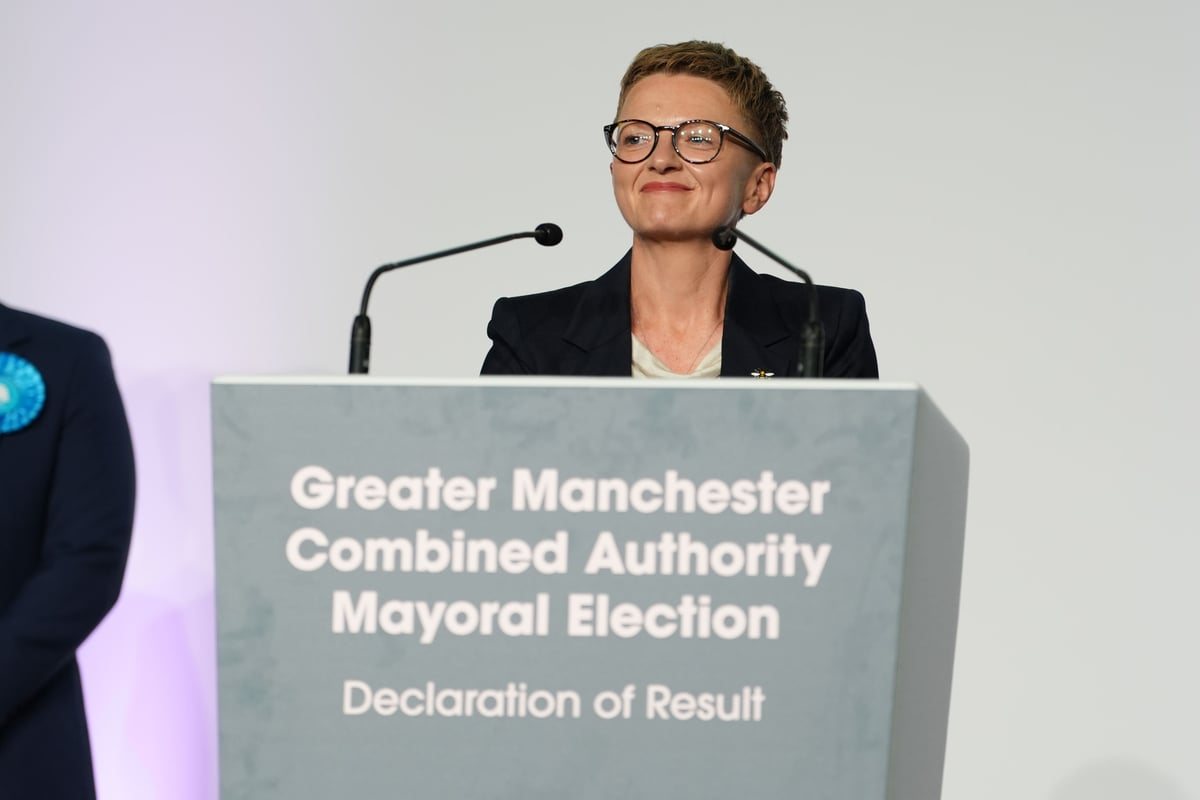
Labour has won the Greater Manchester mayoral by-election, with Bev Craig declared the winner after a marathon vote count that stretched more than 24 hours beyond the close of polling. Craig, the leader of Manchester city council, will succeed Andy Burnham in one of the most powerful political positions outside Westminster.
The result was confirmed on Thursday after a lengthy counting process, underscoring the scale of the contest. Craig’s victory hands Labour a decisive hold on the mayoralty, despite recent electoral challenges in parts of the region where Reform UK and the Green Party had made gains earlier this year.
Craig’s win is being seen as a significant moment for Labour in Greater Manchester, with the party reclaiming ground in areas that had shifted toward rival parties in the May elections. The by-election was called after Andy Burnham, who had held the role since 2017, stood down, prompting a contest to choose his successor.
During the campaign, Craig positioned herself as the candidate to build on Burnham’s legacy while addressing the concerns of voters who had turned away from Labour in recent ballots. Her background as leader of the region’s largest council was central to her pitch, with supporters pointing to her experience managing budgets and delivering local services.
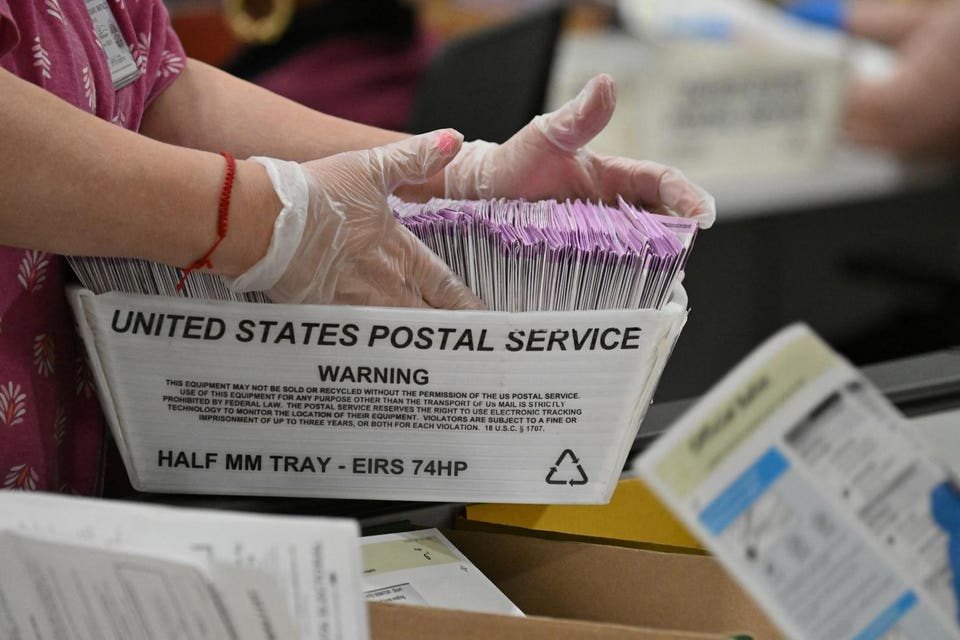
The extended count drew attention to the complexity of the mayoral voting system, which uses a supplementary ballot to ensure the winner commands broader support. More than two dozen candidates stood across the political spectrum, though the main contest was widely seen as a two-horse race between Labour and Reform UK.
Reform UK had hoped to capitalise on its strong showing in Greater Manchester during the May local elections, where it won seats in several towns and challenged Labour’s traditional dominance. The party framed the by-election as a test of Labour’s national standing, but Craig’s victory suggests the party has managed to win back many of those voters.
The Greens, who also made notable advances in May, were unable to translate that momentum into a serious challenge for the mayoralty. Craig’s win also cements Labour’s control of a region that has become a key battleground in national politics, with the party using Greater Manchester as a showcase for its local governance agenda.
Political analysts noted that the result will provide Labour with a morale boost as it seeks to rebuild support in northern England. The victory gives the party a clean sweep of the region’s major elected positions and reinforces its claim to represent urban voters outside London.
Craig is expected to be formally sworn in as mayor in the coming days. In her victory statement, she thanked voters for their trust and pledged to focus on housing, transport and jobs. She also acknowledged the long wait for the result, praising election staff for their work through the overnight count.
The by-election outcome is likely to reset expectations for future contests in the region. Labour will now look to hold the seat at the next scheduled mayoral election, while Reform UK and the Greens will examine where their support remains strongest and where they fell short.
For Greater Manchester, the change at the top brings a new leader with deep local ties. Craig has spent years working within the city’s government structures, and her elevation to the mayoralty is seen as a continuation of the policies pursued under Burnham rather than a rupture.
Her mandate, however, will be tested quickly. The region faces ongoing pressures around public transport funding, affordable housing and economic growth, all of which featured prominently in the campaign. With the count finally complete, Craig now turns from candidate to mayor, inheriting both the opportunities and the challenges of one of England’s most prominent elected roles.