

Politics 3 min read By Arthur Ellington
Labour overtakes Reform UK in voter intention poll for first time in over a year
Labour has moved ahead of Reform UK in a new voter intention poll, ending more than a year of trailing behind Nigel Farage's party. The shift comes during Andy Burnham's first week as prime minister, with the party gaining four points to reach 28 per cent.
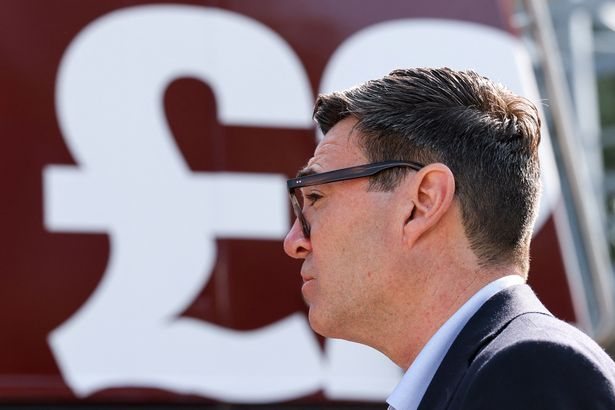
Labour has overtaken Reform UK in a voter intention poll for the first time since March 2025, marking a notable shift in British politics during Andy Burnham's first week as prime minister. According to a More in Common survey, Labour rose four points to 28 per cent, while Reform fell to 24 per cent. This is Labour's largest share of the vote since November 2024, a sign that the change in leadership may be resonating with the electorate.
The so-calledBurnham bounce
has been attributed to the new prime minister's early focus on the cost of living crisis, a key issue that dominated his first days in office. Pollsters and political analysts suggest that voters are responding positively to Burnham's messaging on economic stability and household finances, which contrasts with the recent turbulence surrounding Reform UK and its leader, Nigel Farage.
Reform has faced weeks of negative headlines concerning undeclared gifts and donations, as well as the presence of a convicted fraudster among Farage's advisers. Additionally, a byelection campaign has descended into farce, further damaging the party's credibility. These developments appear to have eroded support for Reform, allowing Labour to regain ground after more than a year of trailing in the polls.
Despite the encouraging numbers, Burnham has ruled out calling a general election anytime soon, insisting that his government is focused on delivering for the British people rather than on electoral calculations. The prime minister is expected to continue prioritising policies aimed at easing the burden on households, including potential measures on energy prices, housing, and public services.
The latest poll represents a significant psychological boost for Labour, which has struggled to close the gap with Reform since the previous general election. Internal party sources have described the result asencouraging but not complacent
, noting that a four-point lead remains narrow and that much work lies ahead. The Conservative Party, meanwhile, remains in third place, though the survey did not provide specific figures for other parties.
Political observers will be watching closely to see whether Labour can sustain this momentum. The coming weeks will test Burnham's ability to translate public goodwill into lasting support, particularly as the government begins to implement its legislative agenda. Reform, for its part, will need to address its internal controversies if it hopes to regain the trust of its voter base.
For now, the poll marks a turning point in the political landscape, with Labour once again in the lead for the first time in over a year. Whether this proves to be a short-term bounce or the beginning of a sustained recovery remains to be seen, but the early signs under Burnham are promising for the party.
82